Garment Printing Methods: A Complete Guide to Printing Techniques for Custom Apparel
Choosing a garment printing method is not only about how the artwork looks on screen. The final result depends on the fabric, surface texture, stretch, print size, color coverage, hand feel and the way the garment will be worn and washed.
For apparel brands, the most useful question is not simply “Which printing technique is best?” but “Which printing technique fits this fabric, this design and this product?” A method that works well for a cotton T-shirt may not create the same result on a stretch activewear fabric, a fleece hoodie or a polyester sports garment.
This guide explains the garment printing methods currently used across Ambition Garment development, including DTG digital printing, screen printing, sublimation transfer, flock, foam and rubber heat transfer, silicone-based applications, plastisol, water-based printing and letter-focused print treatments.
Article Overview
How to Choose a Garment Printing Method
Printing method selection should begin with the garment rather than the artwork alone. A print may look strong as a digital file but behave differently once it is applied to a textured fleece, a lightweight jersey, a stretch knit or a synthetic fabric.
Check composition, surface texture, stretch, thickness and how the material reacts to heat, ink or transfer pressure.
Decide whether the design needs a flat surface, photographic detail, raised texture, soft hand feel, velvet touch or a dimensional finish.
Consider product category, placement, flexibility, wash requirements and whether the garment is intended for fashion, sports, casualwear or streetwear.
Artwork detail also matters. Fine photographic graphics, solid opaque logos, typography and raised 3D effects do not all require the same process. This is why print selection should be discussed during sampling rather than left until the end of development.
11 Garment Printing Methods Used for Custom Apparel
1. DTG Digital Print
DTG digital print applies artwork directly onto the garment surface and is especially useful when the design contains multiple colors, tonal transitions or photo-style detail. It allows complex graphics to be reproduced without relying on a separate screen for every color.
Its main strengths are full-color capability, detailed image reproduction and a relatively soft hand feel. It is also practical when a development program needs artwork flexibility or smaller sample quantities before a design is finalized.

DTG-digital-print-custom-garment
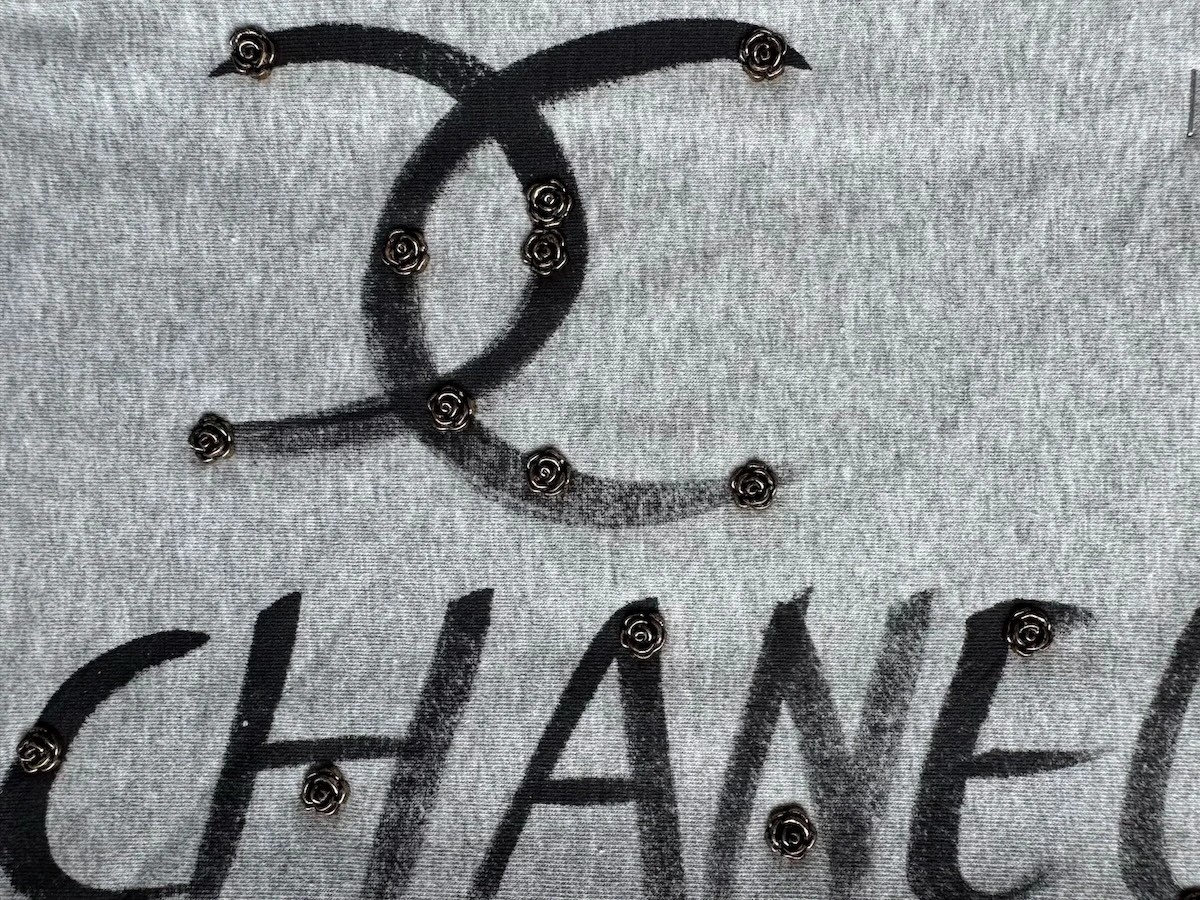
2. Screen Printing
Screen printing uses a mesh stencil to apply ink onto the garment. It is one of the most established apparel printing methods and works particularly well for designs that need crisp edges, strong graphic definition and controlled color application.
The final hand feel and appearance depend on the ink system, artwork and fabric. For brands developing logo graphics, typography or bold artwork, screen printing offers a clear and structured print result that can be adapted through different ink types and finishes.
screen-printing-garment-detail
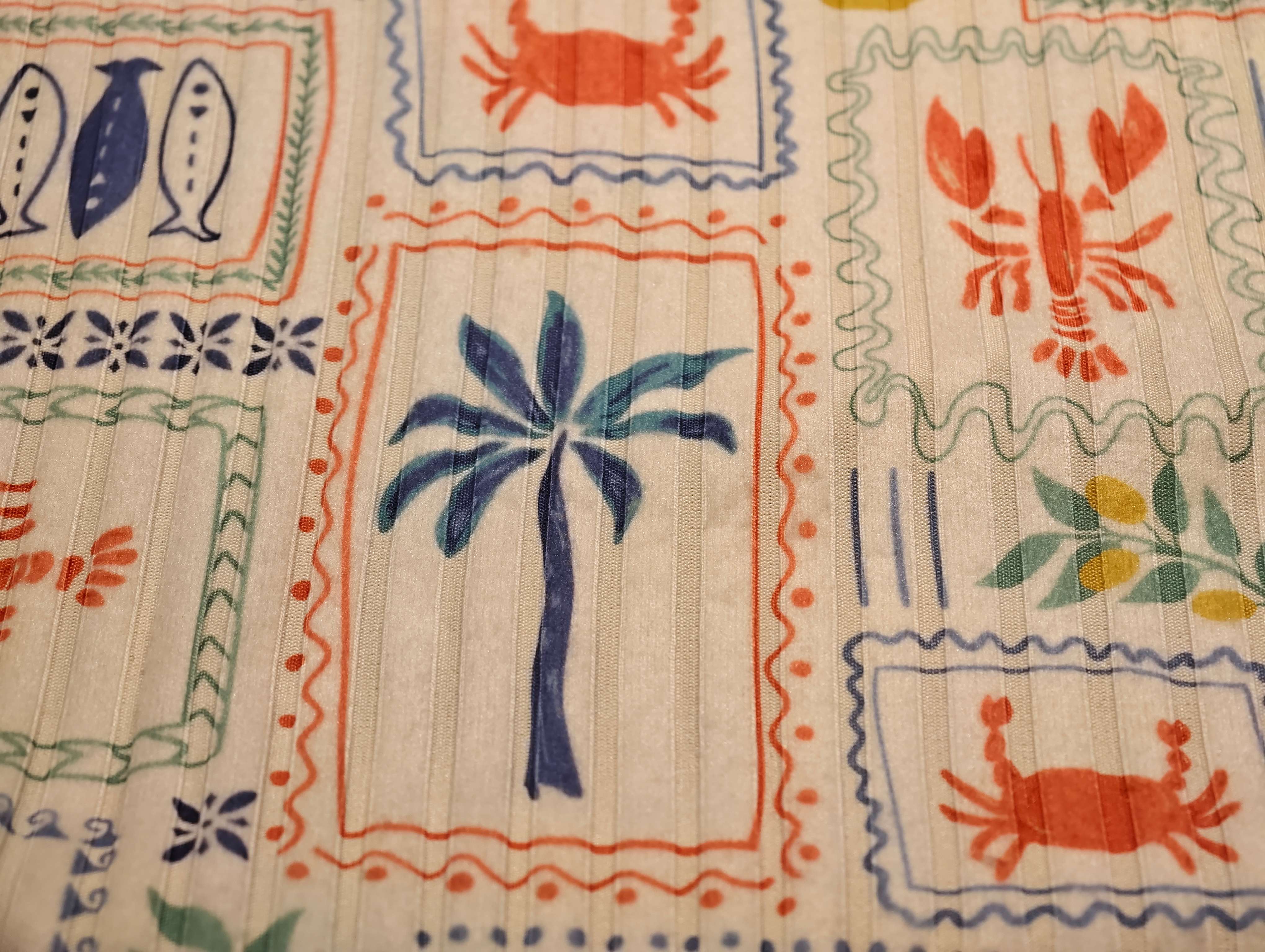
3. Sublimation Transfer Print
Sublimation transfer uses heat to transfer the print into the fabric rather than leaving a heavy layer on top of the surface. It is suited to artwork that needs bright color, photographic detail and a smooth feel without a noticeable raised print film.
Because the print becomes integrated with the material, the result can maintain a lightweight hand feel and detailed color transitions. It is especially relevant when the product direction calls for all-over graphics, complex patterns or vivid sports-inspired artwork.
This method can be particularly useful when developing custom activewear and other products where print flexibility and surface smoothness matter.
sublimation-transfer-print-apparel
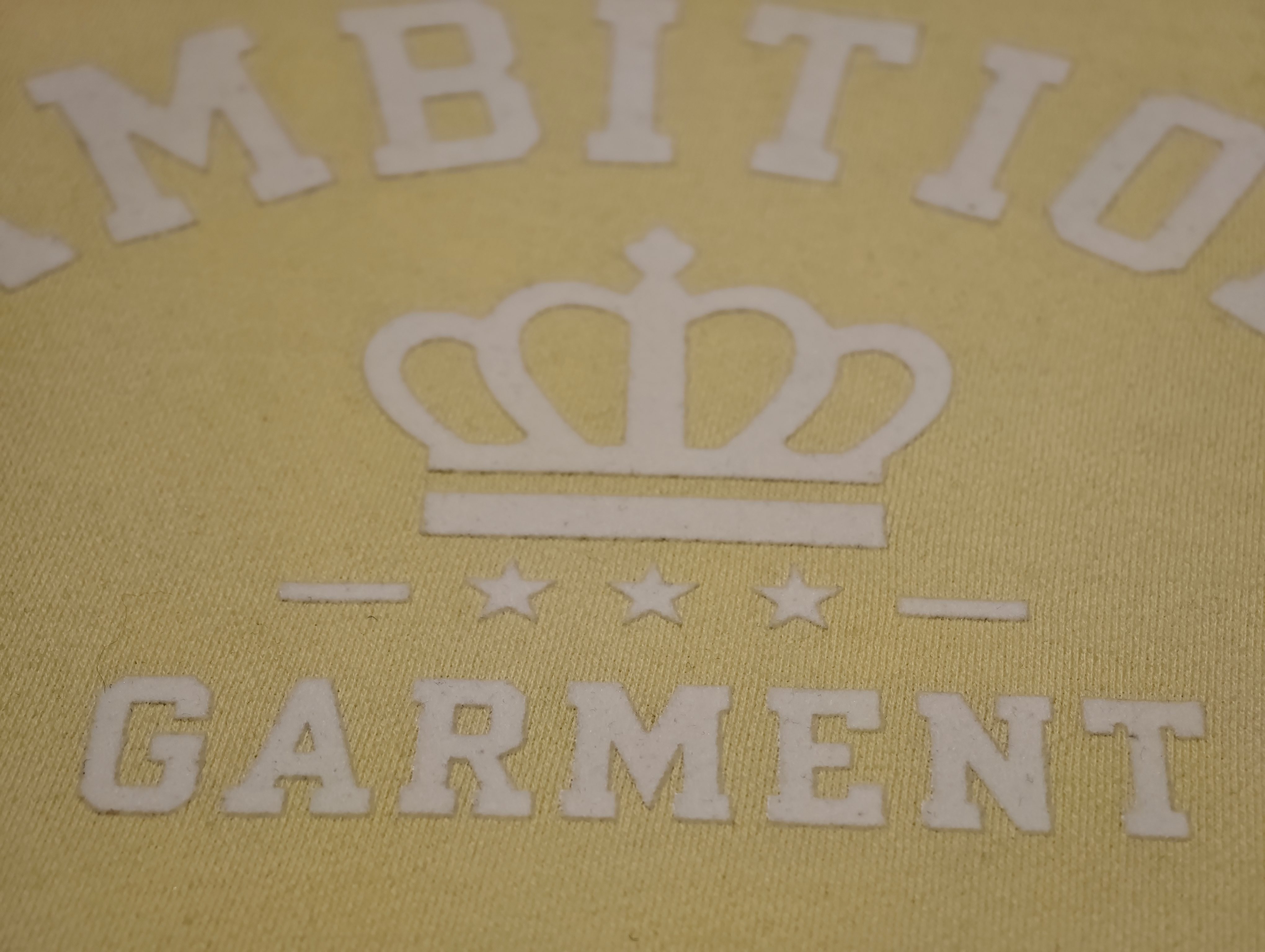
4. Flock Print
Flock print creates a soft, velvet-like surface by applying fine fibers to the graphic area. The result is noticeably different from a standard flat print because the design has both visual depth and a tactile finish.
This technique is useful when a brand wants lettering, logos or selected graphics to feel more premium and dimensional. The flocked surface can create stronger separation between the artwork and the base fabric without relying on glossy or hard finishes.
flock-print-textured-garment
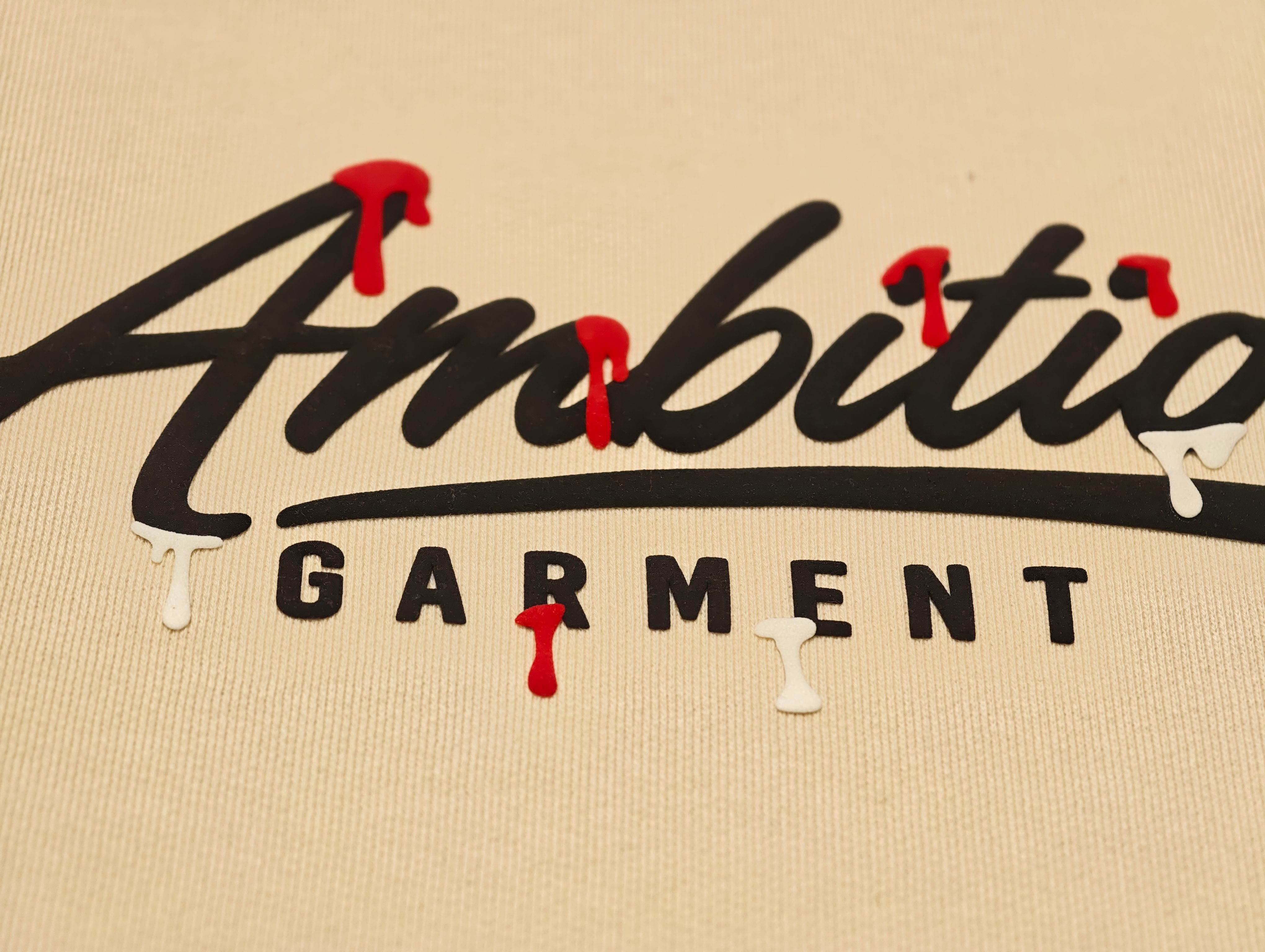
5. Foam Heat Transfer Print
Foam heat transfer print uses a heat-activated expanding effect to create raised, three-dimensional artwork. The printed area develops a soft, puffy texture that can make logos and lettering more visually prominent.
This technique works well for brands looking for dimensional graphics without the appearance of a conventional flat print. It is often used where the artwork itself needs to become part of the garment's texture and styling direction.
Raised print effects can work particularly well on custom sweatshirts and hoodies, where a larger surface area allows the dimensional graphic to become a stronger design feature.
foam-heat-transfer-print-apparel
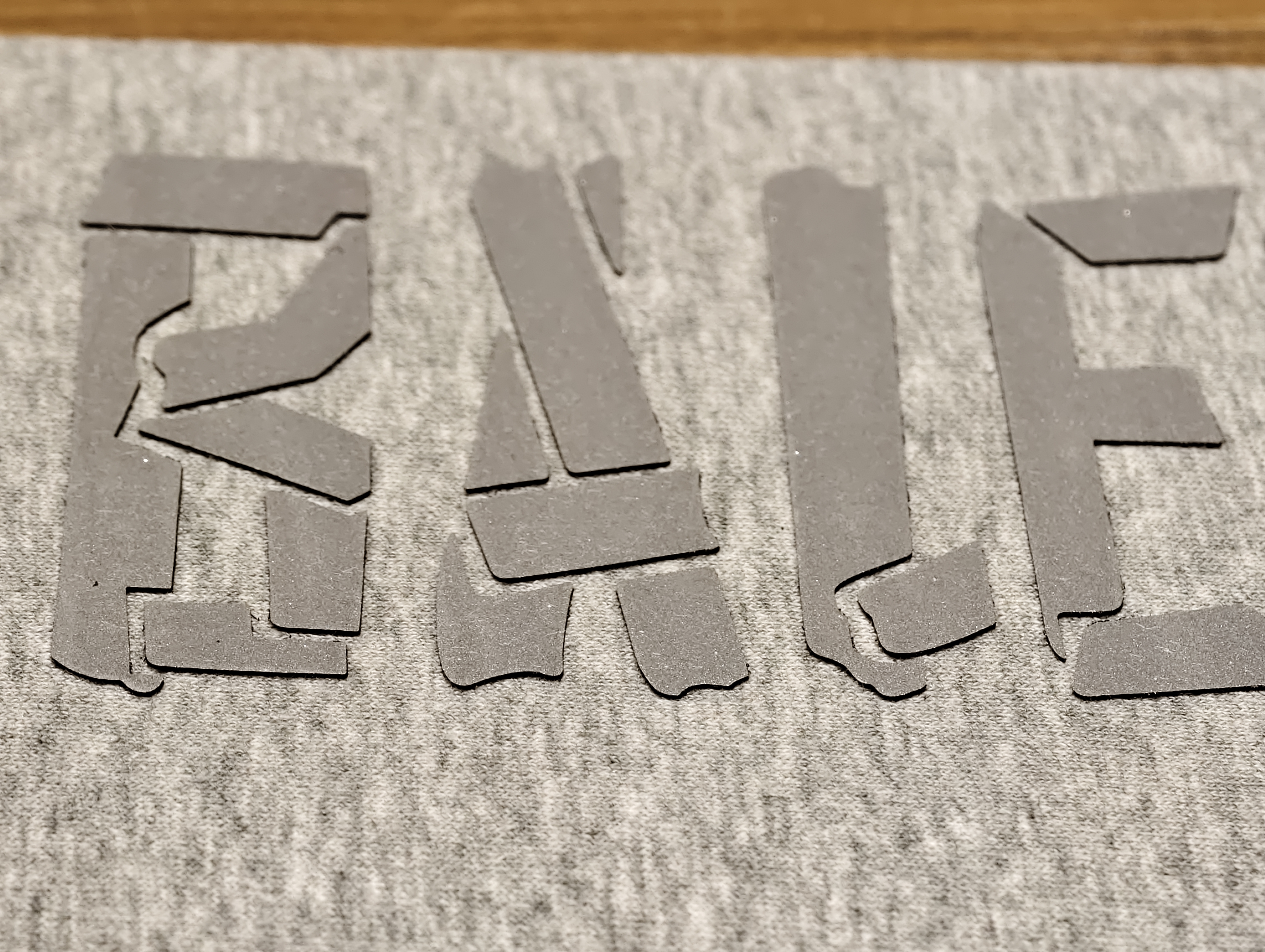
6. Rubber Heat Transfer Print
Rubber heat transfer print creates a more substantial tactile graphic with a defined surface profile. The rubberized finish can produce clear edges, visible thickness and a flexible applied graphic.
This method is suited to designs that need stronger visual definition and a more noticeable surface presence than a thin flat transfer. Stretch recovery and adhesion should be checked against the chosen fabric during sampling, especially when the garment itself has movement or elasticity.
rubber-heat-transfer-print-garment
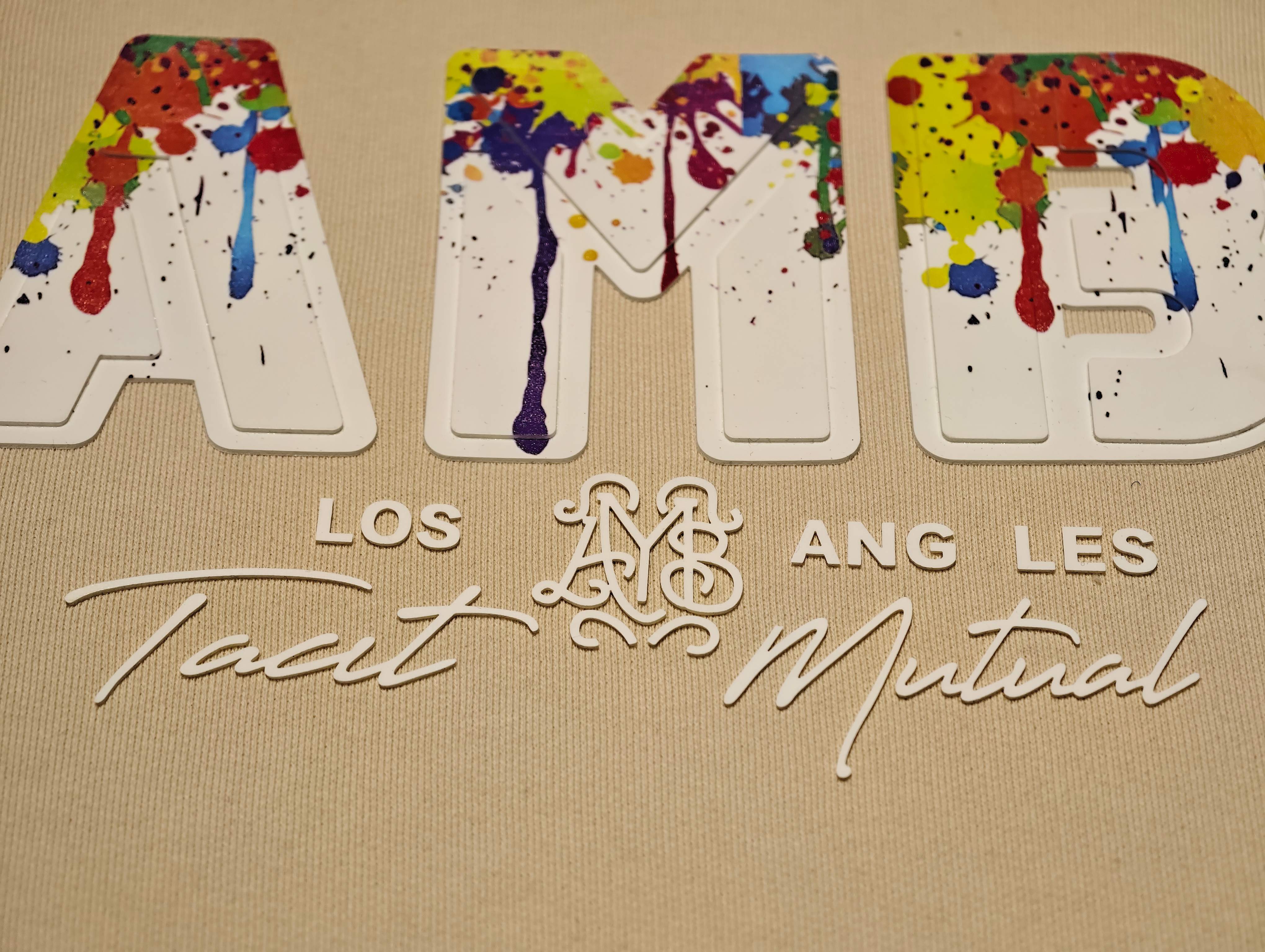
7. Silicone Heat Transfer
Silicone heat transfer uses a high-elasticity silicone application to create a durable, soft-touch and dimensional surface. Compared with a harder raised print, silicone can provide a more flexible feel while still creating a visible 3D profile.
The technique is useful when a design requires stretch recovery, a soft grip or a more technical appearance. It can work well for branding details where both tactile quality and movement are important.
silicone-heat-transfer-custom-apparel
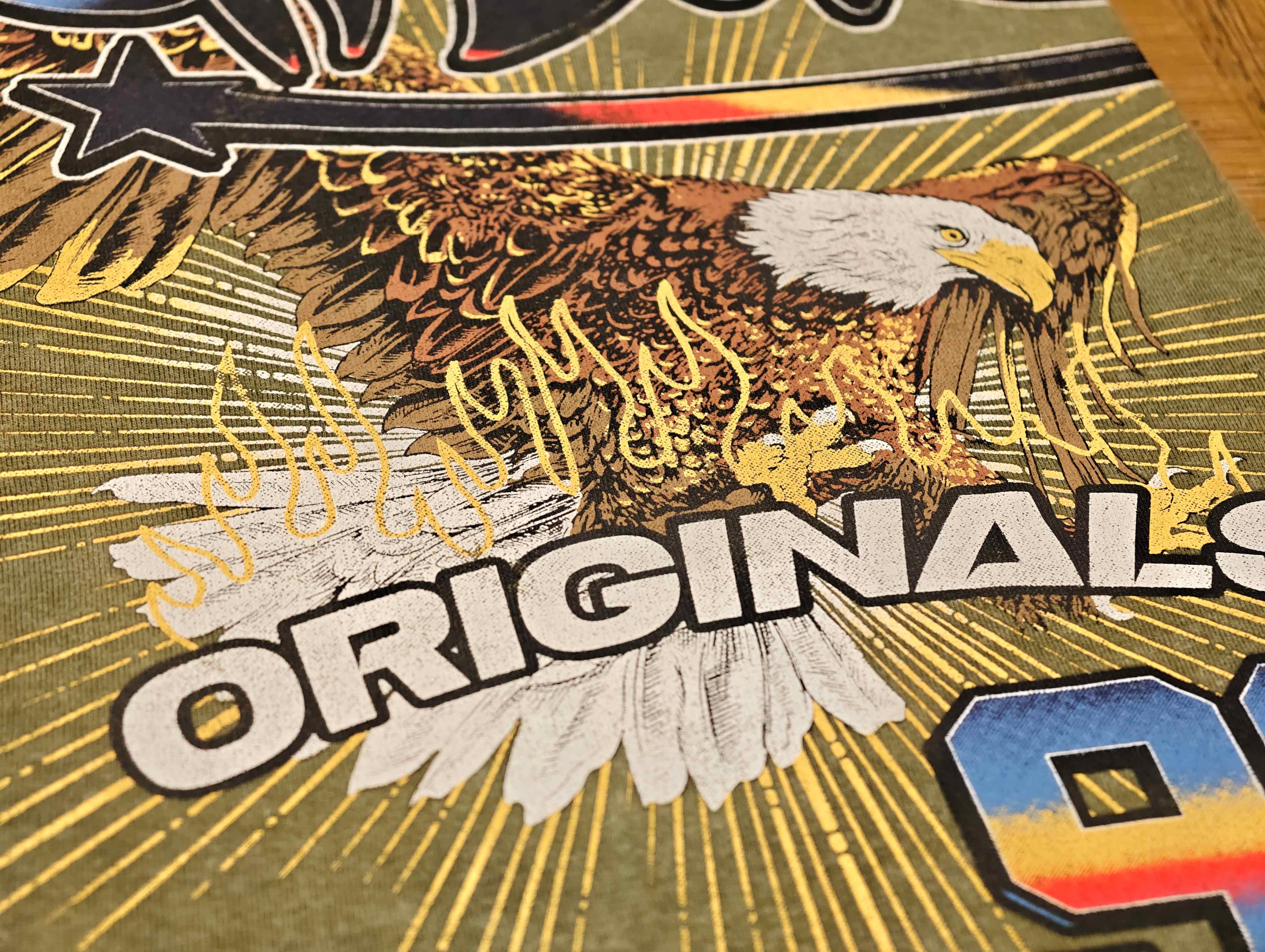
8. Plastisol Screen Printing
Plastisol screen printing uses a PVC-based ink system to produce strong color coverage and clearly defined graphics. The ink can create an opaque surface that stands out strongly against the garment fabric.
It is a practical option for bold artwork where color density, edge definition and repeatable appearance are priorities. The final feel can vary depending on ink deposit and artwork coverage, so the strike-off or sample should be reviewed before the final standard is approved.
plastisol-screen-printing-garment
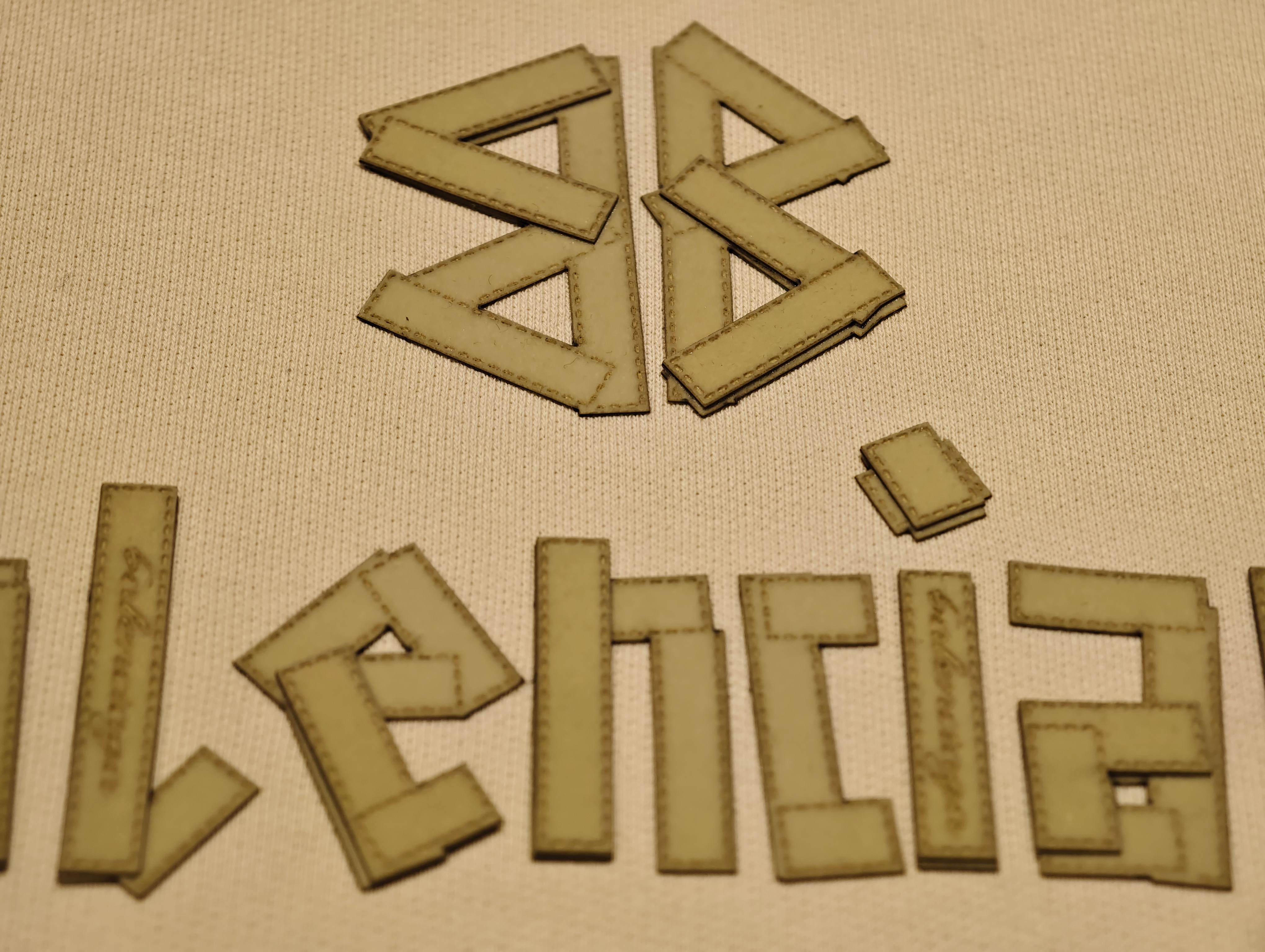
9. Silicon Heat Transfer Print
In our technique range, Silicon Heat Transfer Print refers to a pre-printed graphic application bonded to the garment through heat and pressure. It is useful when the artwork is prepared separately and then transferred onto the selected garment area.
The method supports controlled design reproduction and flexible placement. During development, the key points are print position, surface finish, adhesion and how the transferred graphic responds to the garment fabric.
silicon-heat-transfer-print-apparel
10. Water-Based Screen Print
Water-based screen print uses a water-based ink system designed to integrate more naturally with the fabric surface. The result can feel softer and less plasticky than a heavier surface coating, making it suitable for styles where hand feel is part of the product experience.
The technique works well for graphics that need a more natural, worn-in or breathable visual direction. The exact appearance still depends on fabric color, construction and artwork coverage, so print trials should be reviewed on the actual or representative production fabric.

water-based-screen-print-garment
11. Letter Print
Letter print focuses on typography and graphic lettering applied across garment surfaces. The production requirement is not only legibility; spacing, edge sharpness, placement and consistency all affect whether the final typography looks clean.
This direction is particularly relevant to logo-led apparel, statement graphics and street-oriented styles. The underlying printing process can vary depending on the desired surface and artwork, but typography itself requires careful control of alignment and edge definition.
For graphic-heavy custom streetwear, lettering often becomes a major part of the garment identity rather than a small decorative detail.

letter-print-custom-clothing
Garment Printing Methods Compared
| Printing Method | Typical Visual Effect | Surface / Hand Feel | Useful For |
|---|---|---|---|
| DTG Digital Print | Detailed, multicolor, photo-style artwork | Relatively soft | Complex graphics and flexible sample development |
| Screen Printing | Crisp, controlled graphic definition | Depends on ink system | Logos, bold graphics and typography |
| Sublimation Transfer Print | Vivid, detailed, integrated color | Smooth with little surface buildup | Patterned and sports-inspired products |
| Flock Print | Velvet-like raised surface | Soft and textured | Premium logos and tactile graphics |
| Foam Heat Transfer Print | Puffy 3D effect | Soft and raised | Dimensional logos and lettering |
| Rubber Heat Transfer Print | Defined raised graphic | Rubberized and flexible | Bold lettering and tactile branding |
| Silicone Heat Transfer | Soft 3D technical finish | Flexible and elastic | Stretch-aware branding and technical details |
| Plastisol Screen Printing | Strong opaque color | More noticeable ink layer | Bold graphics requiring solid coverage |
| Silicon Heat Transfer Print | Pre-printed transferred graphic | Smooth applied surface | Controlled placement and repeatable graphics |
| Water-Based Screen Print | Natural, softer visual finish | Soft and fabric-integrated | Casual graphics and softer hand-feel products |
| Letter Print | Typography-focused graphic | Depends on selected application | Logo text, statements and streetwear graphics |
Choosing Printing Methods by Fabric and Product
The same artwork can produce a different result on different fabrics. Before approving the method, the print should be considered together with the garment surface, stretch and final styling direction.
| Garment / Fabric Direction | Printing Methods to Consider | What to Check During Sampling |
|---|---|---|
| Cotton Tees & Tops | DTG, screen printing, plastisol, water-based screen print | Color coverage, hand feel, fine detail and wash appearance |
| Hoodies & Sweatshirts | Screen printing, foam transfer, rubber transfer, flock, plastisol | Surface texture, raised effect, adhesion and graphic thickness |
| Activewear / Stretch Knits | Sublimation, silicone heat transfer, selected transfer applications | Stretch recovery, flexibility and surface bonding |
| Streetwear | Letter print, flock, foam, rubber transfer, screen printing | Graphic scale, typography, dimensional effect and placement |
| Photo / Multicolor Graphics | DTG digital print, sublimation transfer | Image detail, gradients, color reproduction and fabric suitability |
These are development directions rather than fixed rules. The final method should be confirmed against the actual fabric and artwork because fabric color, surface texture and construction can change the result.
What Brands Should Confirm Before Approving a Print
A print sample should be reviewed as a production standard, not only as a visual mockup. Small differences in artwork scale, placement or surface effect can become much more noticeable once the same graphic appears across a full collection.
- Artwork size: confirm width, height and any size-dependent scaling.
- Placement: record distance from neckline, seams, pockets or other garment reference points.
- Color: compare the printed result with the approved artwork or color reference.
- Surface effect: confirm whether the print should be flat, raised, velvet-like, rubberized or soft-touch.
- Hand feel: check whether the print changes the comfort or drape of the garment.
- Stretch: review cracking, lifting or recovery where the base fabric stretches.
- Adhesion: heat transfers and dimensional applications should be checked for secure bonding.
- Wash result: confirm the appearance after the required wash or care test.
- Repeatability: ensure the approved print can be reproduced consistently across the required quantity.
Development note: The best print method is the one that matches the artwork, fabric and product use together. Approving only the graphic appearance without checking the actual garment can create unnecessary revisions later.
How Printing Fits into Custom Apparel Development
Printing is usually connected to other product decisions. Fabric selection affects the print surface, garment fit affects placement, wash treatments may change the final appearance, and production sequence can affect how the technique is applied.
For this reason, print development works best when it is reviewed alongside the garment sample rather than treated as a separate decoration step. Ambition Garment can discuss artwork, fabric direction, sampling and print technique together through our custom apparel development services.
FAQ About Garment Printing Methods
Which garment printing method is best for detailed multicolor artwork?
DTG digital print and sublimation transfer are two directions to consider when artwork contains multiple colors, gradients or photographic detail. The right choice still depends on the garment fabric and intended finish.
Which printing methods can create a raised 3D effect?
Foam heat transfer, rubber heat transfer and silicone heat transfer can all create dimensional effects, but the texture and flexibility are different. Sampling helps determine which surface best matches the garment concept.
What is the difference between water-based and plastisol screen printing?
Water-based screen print is generally used when a softer, more fabric-integrated surface is preferred. Plastisol screen printing creates stronger opaque coverage and a more noticeable ink layer. Artwork and garment direction should determine the choice.
Which printing methods are suitable for stretch garments?
Silicone-based transfer and selected heat-transfer methods can be useful when flexibility and recovery are important. Sublimation may also suit appropriate synthetic performance fabrics. The print should always be tested with the actual fabric stretch.
Can one garment use more than one printing technique?
Yes. A collection or individual garment can combine different effects when the construction and production sequence allow it. The combination should be reviewed during sampling so placement, surface thickness and visual balance remain controlled.
Should brands approve printing before the final garment sample?
Print artwork can be developed earlier, but the final technique, placement and appearance should be confirmed on the relevant garment fabric before the production standard is finalized.
Discuss the Right Printing Method for Your Garment
Different printing methods solve different design needs. Share your garment reference, fabric direction and artwork with our team so the print effect can be reviewed together with sampling and product development.