
Bonded-Mesh Short-Sleeve Utility Jacket Manufacturer











Fabric, wash, decoration, branding, and sampling — aligned to your program from first
sketch to bulk delivery.
Customization & Development
Product Details
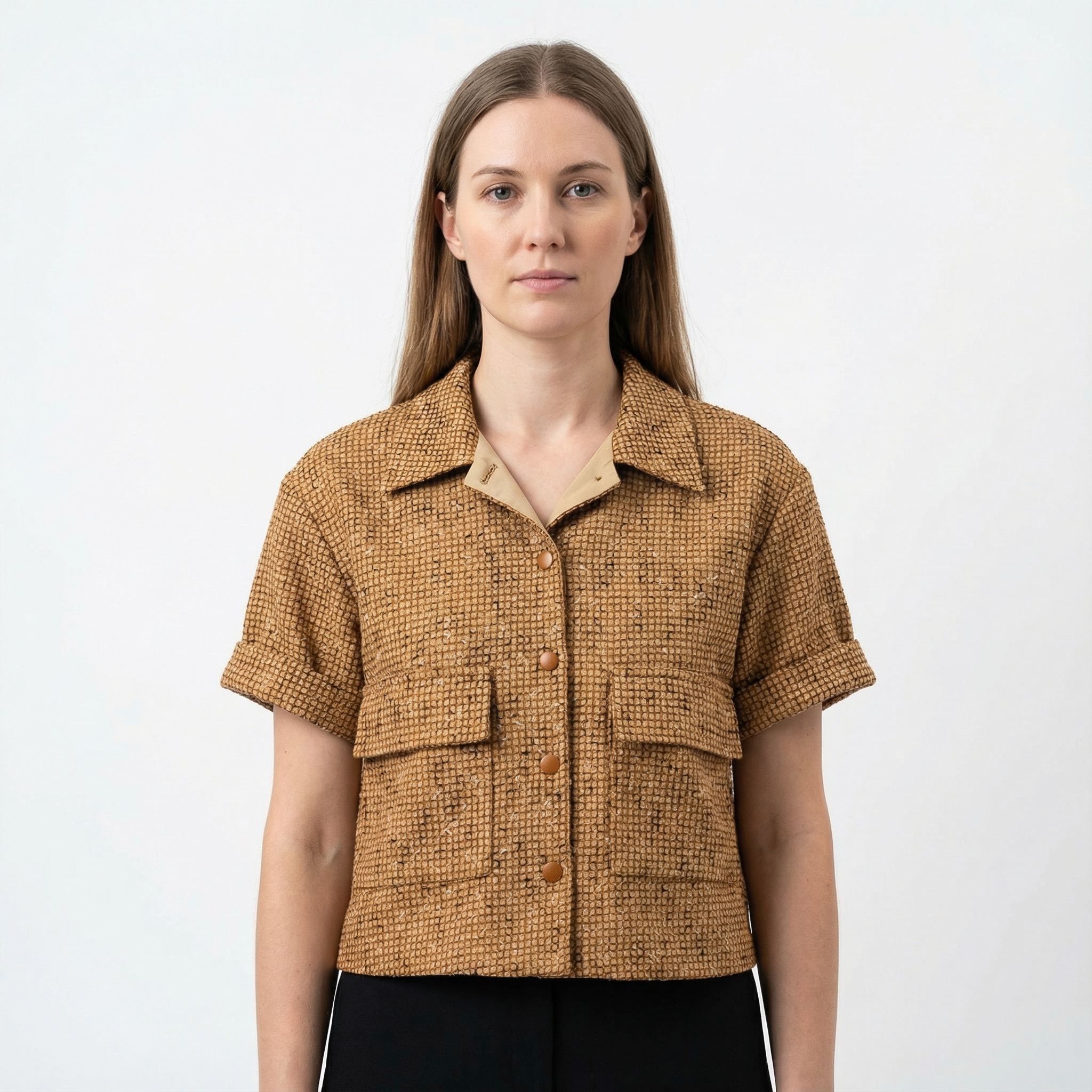
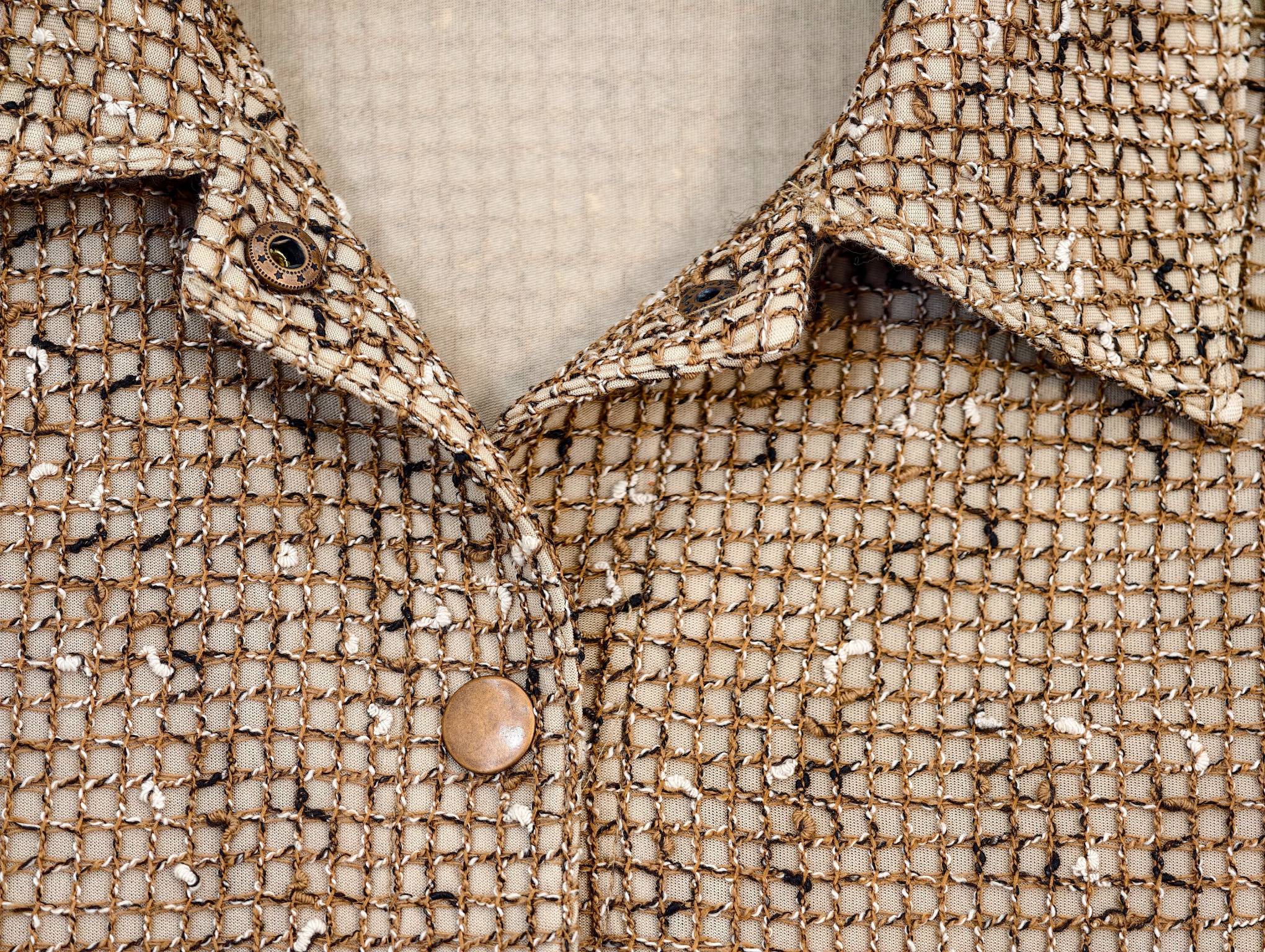
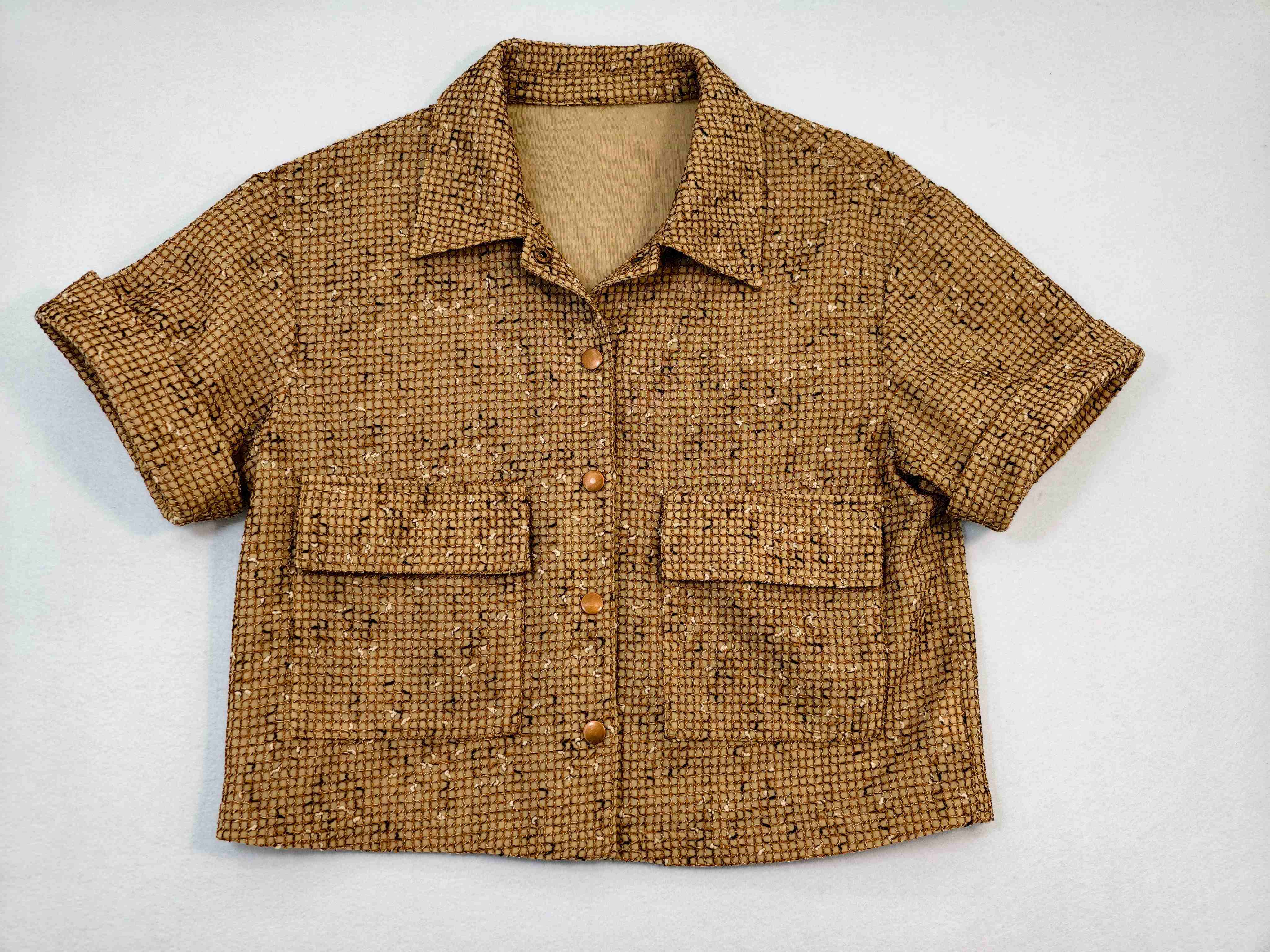
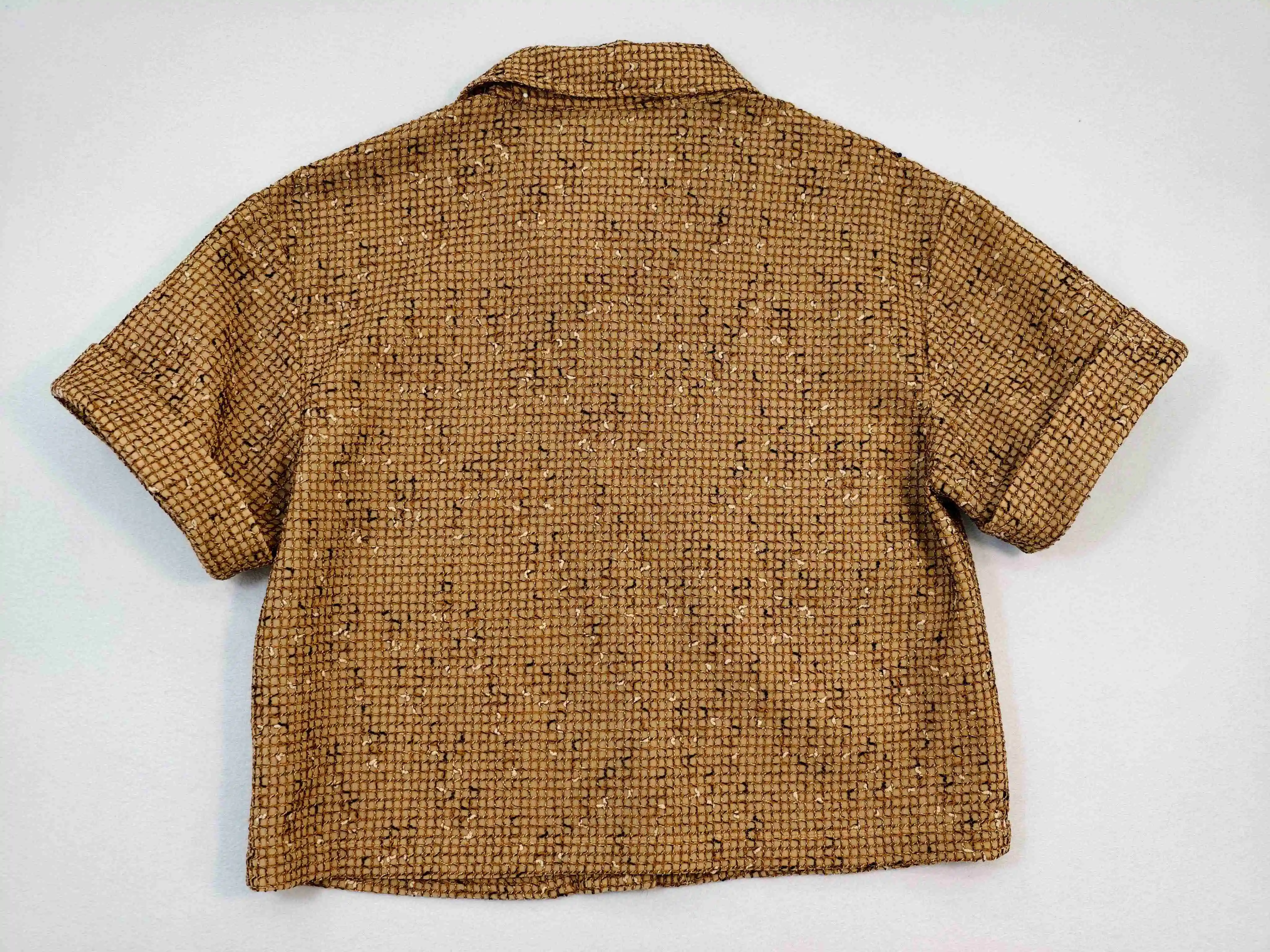
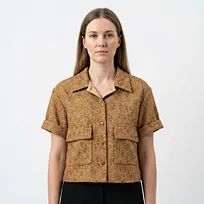
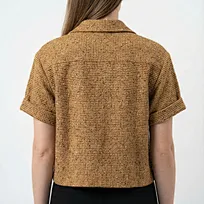
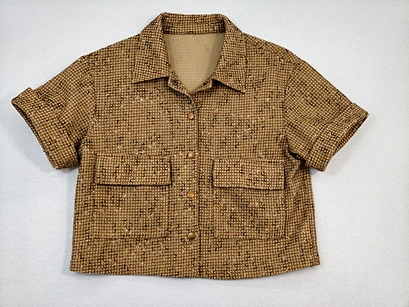
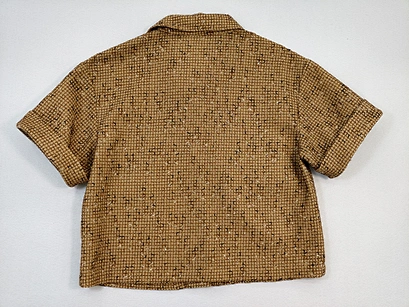
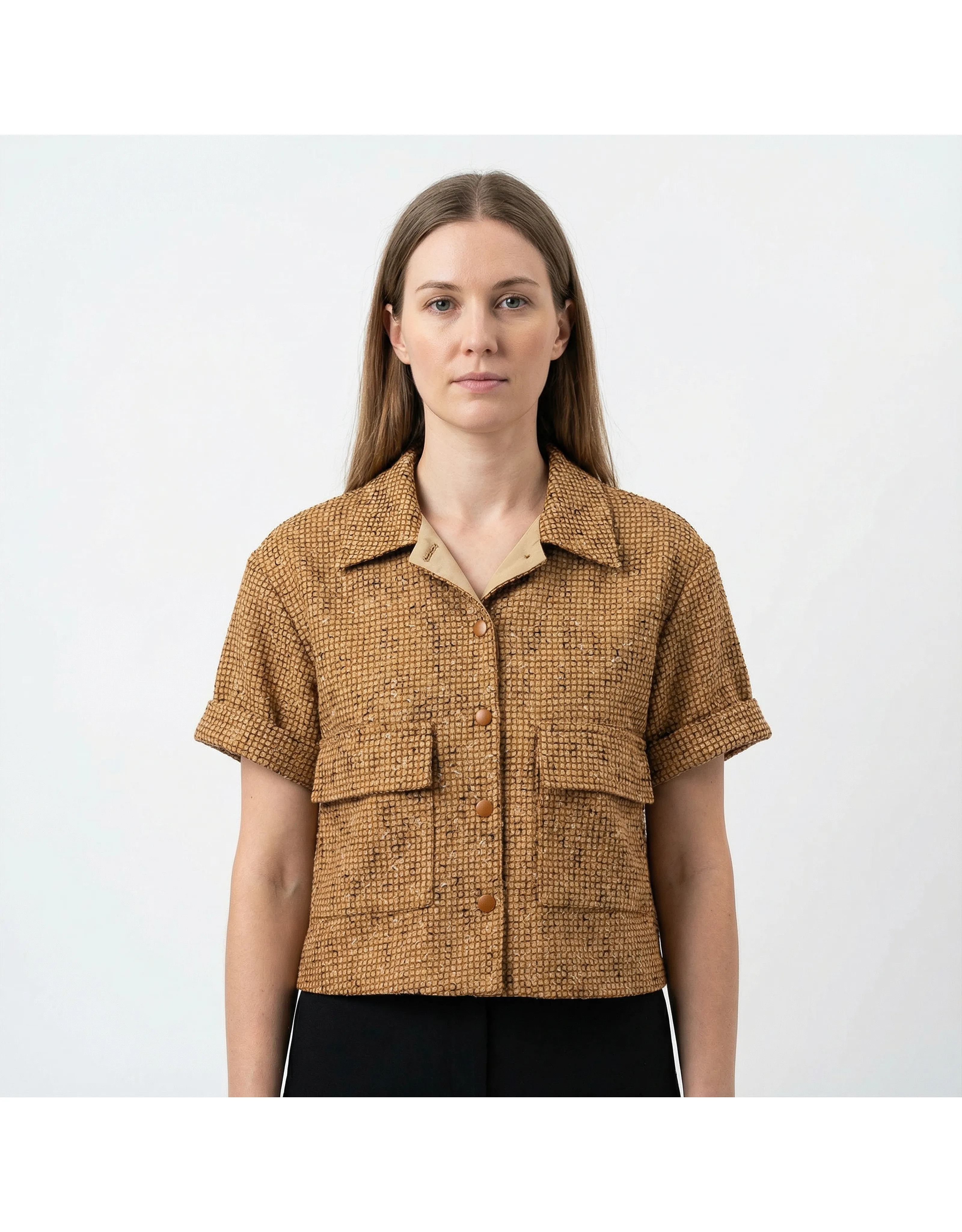
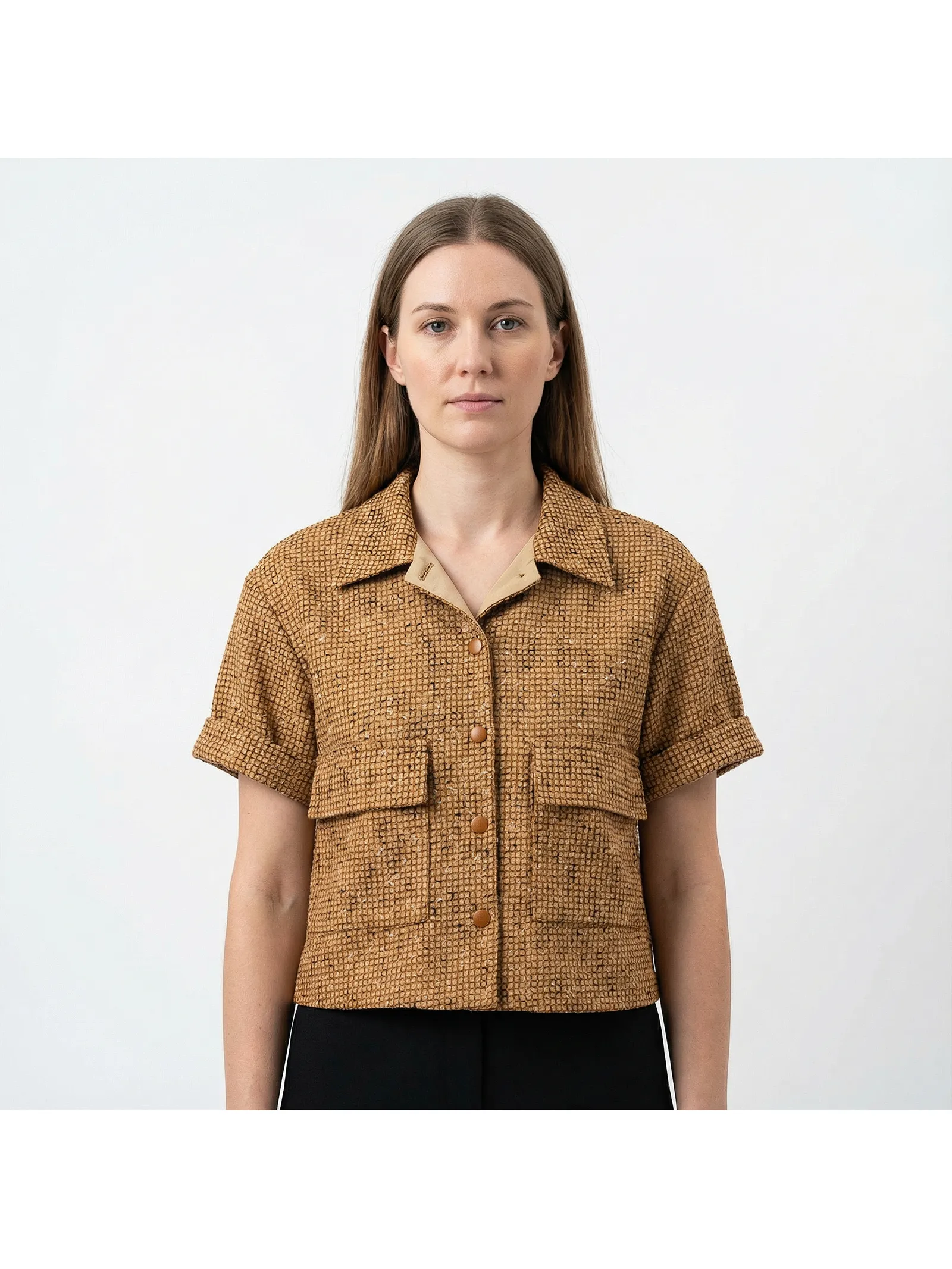
This bonded-mesh short-sleeve utility jacket combines the familiarity of a collared shirt jacket with a more structured cropped shape. The front button closure, turned-up sleeve cuffs and four-pocket layout give the style a practical workwear reference, while the textured bonded surface makes it suitable for contemporary casualwear and fashion-led layering collections. The jacket is designed for brands that want a distinctive transitional piece without the weight or sleeve coverage of conventional outerwear.
| Main fabric | 230 GSM: 72% polyester, 26% cotton, 2% spandex |
|---|---|
| Construction | Jersey bonded with mesh |
| Fit | Boxy cropped silhouette with short sleeves |
| Design details | Spread collar, button front, cuffed sleeves and four patch pockets |
| Suitable for | Contemporary casualwear, utility-inspired collections and private label jackets |
Bonded Jersey and Mesh for Controlled Structure
230 GSM Polyester-Cotton Jersey Face
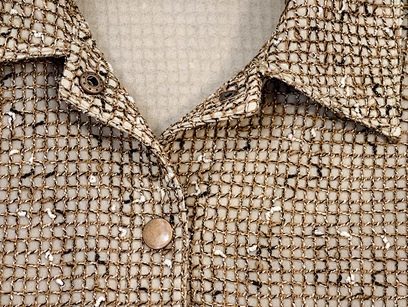
The face fabric combines 72% polyester, 26% cotton and 2% spandex. Polyester supports shape retention and surface stability, while cotton gives the hand a less synthetic feel. The small spandex content adds limited ease, but the style should be positioned as structured casualwear rather than stretch activewear.
Mesh Bonding Without a Separate Loose Lining
Bonding the jersey to mesh creates a two-layer material that behaves as one fabric. The mesh backing adds body and helps the cropped jacket keep its boxy outline. Bond strength, surface bubbling and edge separation should be tested before bulk approval, especially after washing and pressing.
Pocket Geometry, Collar Roll and Front Balance
Four patch pockets create the main visual structure of the jacket. Pocket width, flap depth and left-right placement need to remain consistent because the textured surface makes uneven alignment easy to notice. The lower pockets should also sit clear of the hem so the cropped proportion does not feel crowded.
The collar and front facing must turn cleanly despite the added thickness of the bonded fabric. Button spacing, placket width, sleeve cuff level and hem alignment should be reviewed during sampling and in-line inspection. These controls help maintain the approved silhouette through bulk production.
A Transitional Layer for Modern Casualwear
The short sleeves make this jacket suitable for spring, early autumn and indoor layering programs. It can be worn over fitted tanks, fine-gauge knitwear or long-sleeve base layers. The boxy crop works particularly well with high-rise trousers, skirts and coordinated utility bottoms.
Private Label Options for Bonded Jackets
Bonded utility jacket development may include:
- Custom face colors, mesh backing and bonded surface textures
- Adjustments to body length, sleeve width and collar proportions
- Alternative pocket layouts, flap shapes and button finishes
- Logo embroidery, woven labels, hangtags and branded packaging
- Coordinated skirt, shorts or trouser development in matching fabric
Buyer FAQs for Bonded-Mesh Styles
What should be tested on bonded fabric?
Bond strength, bubbling, shrinkage, edge separation and the response to pressing should be checked on the approved fabric and garment sample.
Can the pocket layout be simplified?
Yes. Pocket count, dimensions, flap construction and placement can be revised according to the collection direction and target costing.
Is this fabric suitable for fitted performance wear?
No. The 2% spandex provides limited ease, but the bonded construction is better suited to structured casual jackets than close performance garments.
Checking Bond Stability Before Pattern Grading
Before grading and bulk planning, review the approved sample for bond strength, collar shape, pocket symmetry, button alignment and finished body length. For an accurate quotation, provide the target quantity, size range, color direction, pocket requirements, branding details and any technical files.