
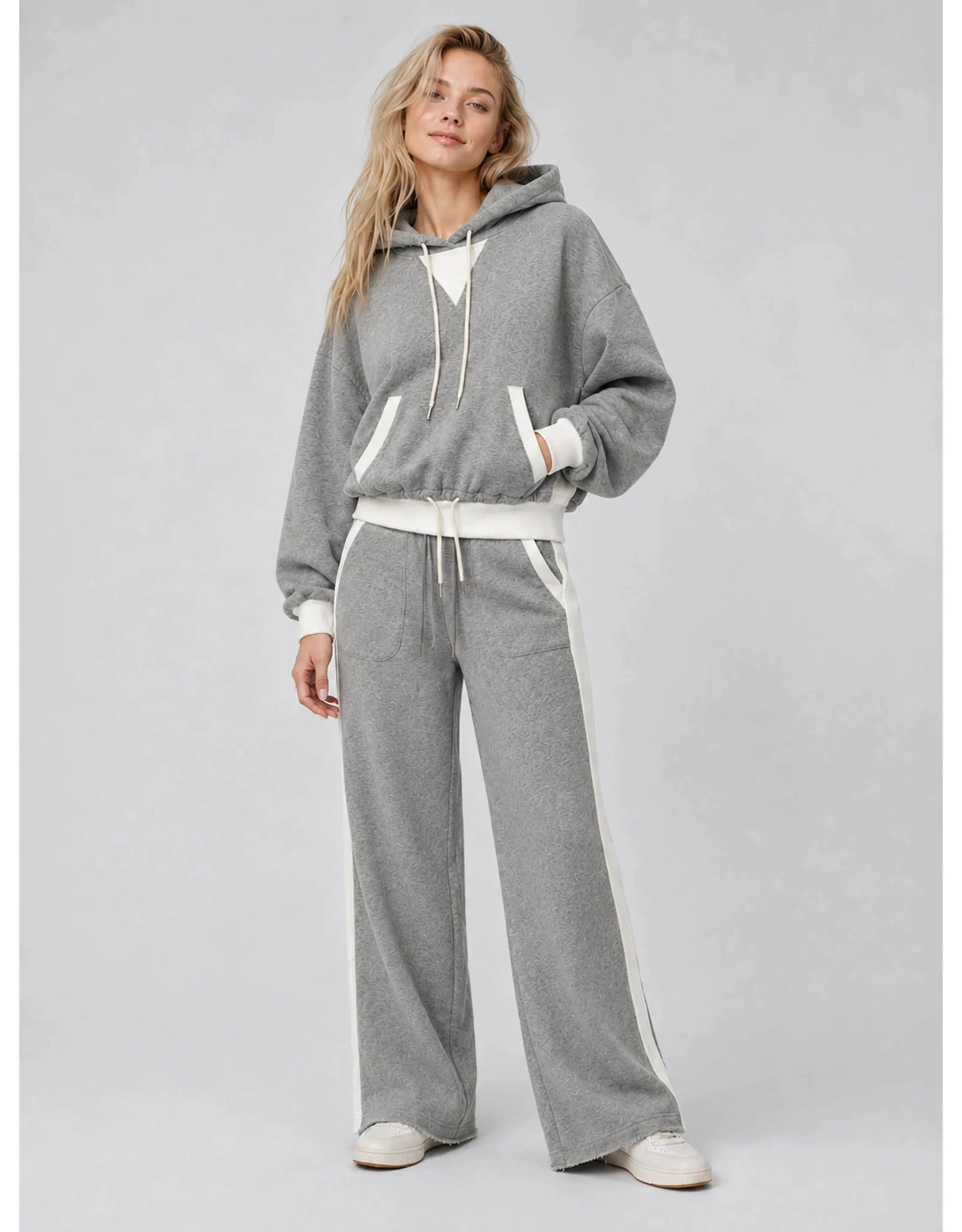
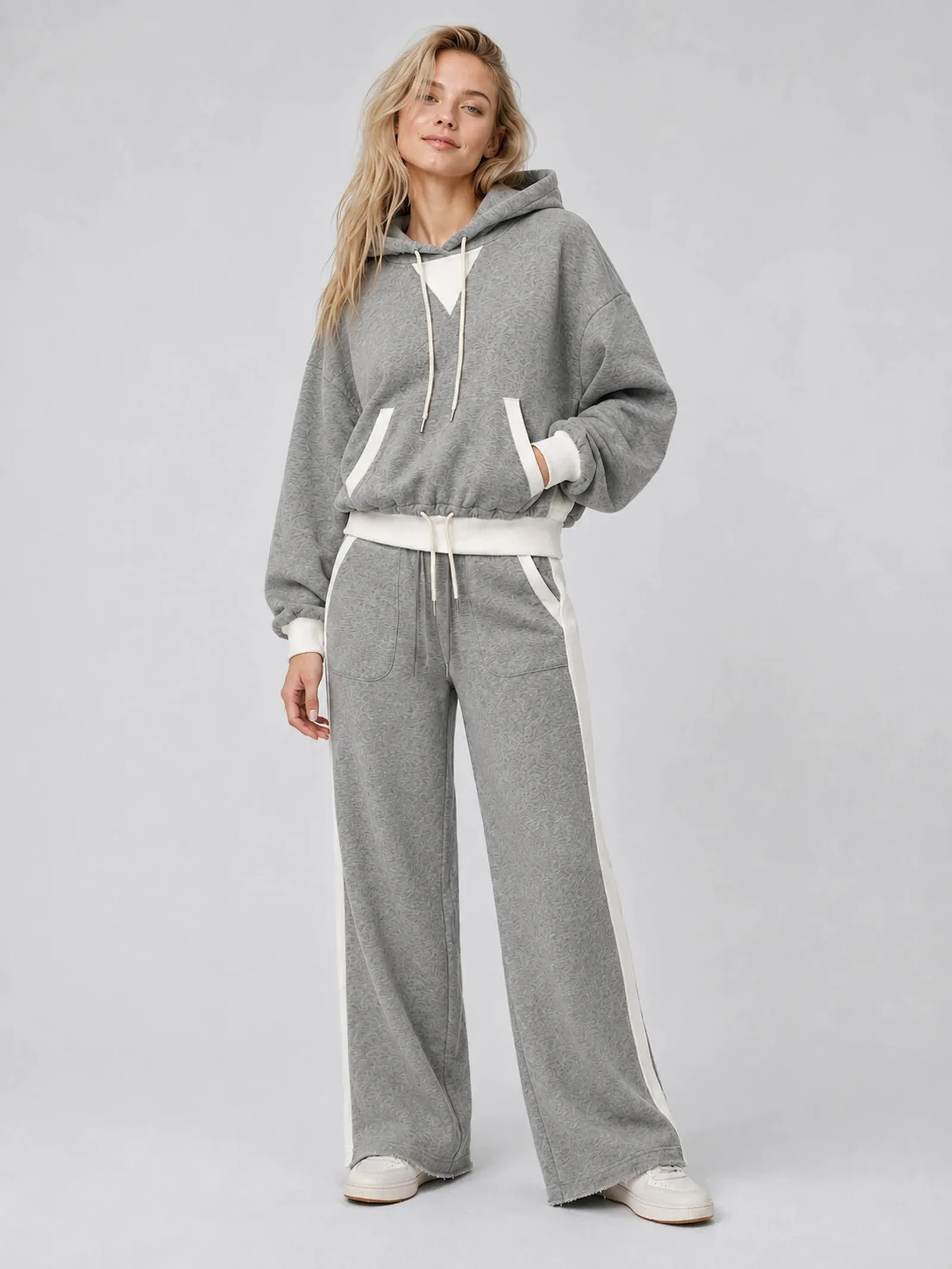
OEM Contrast-Trim Pullover Hoodie Factory











Fabric, wash, decoration, branding, and sampling — aligned to your program from first
sketch to bulk delivery.
Customization & Development
Product Details
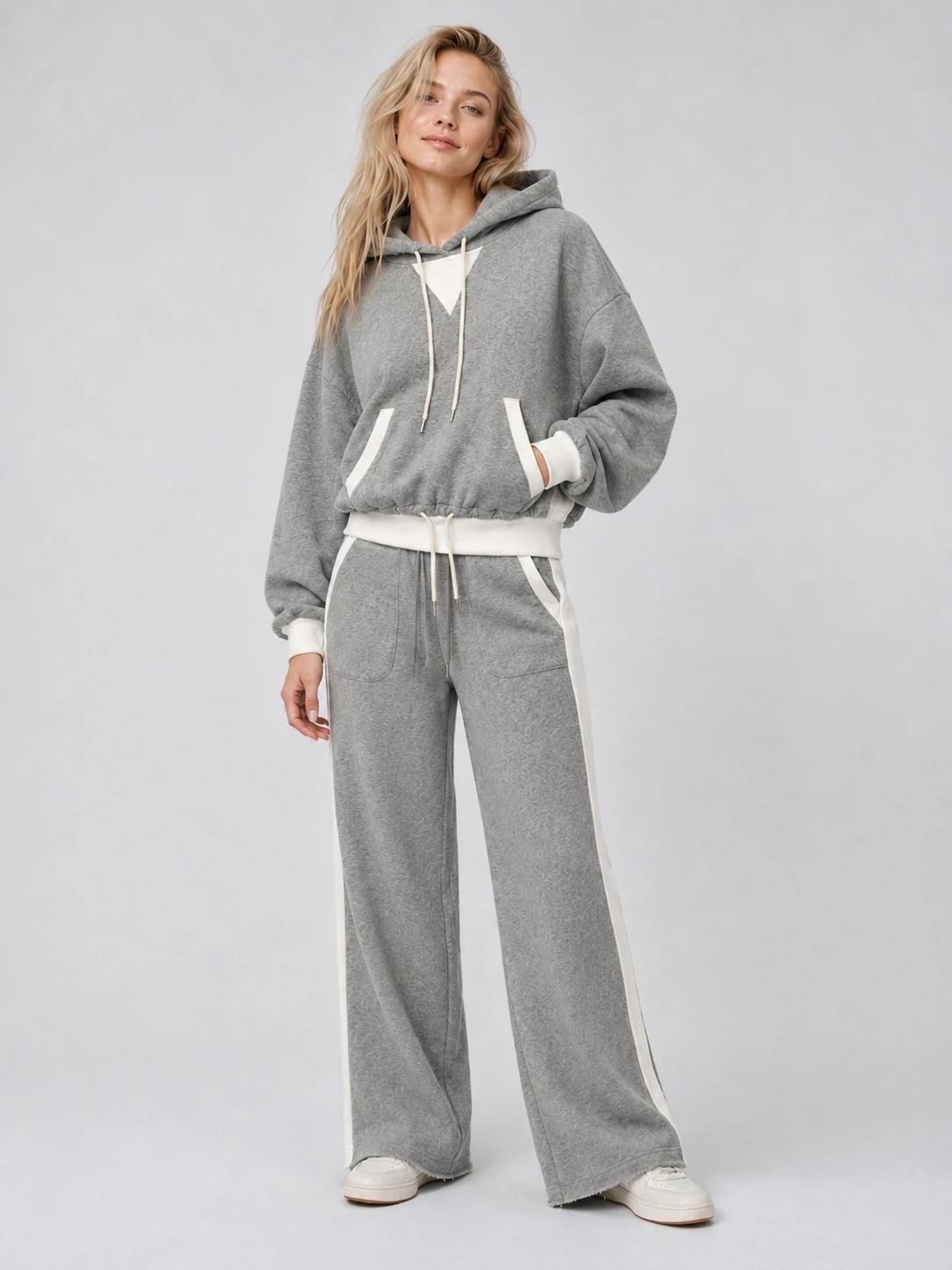
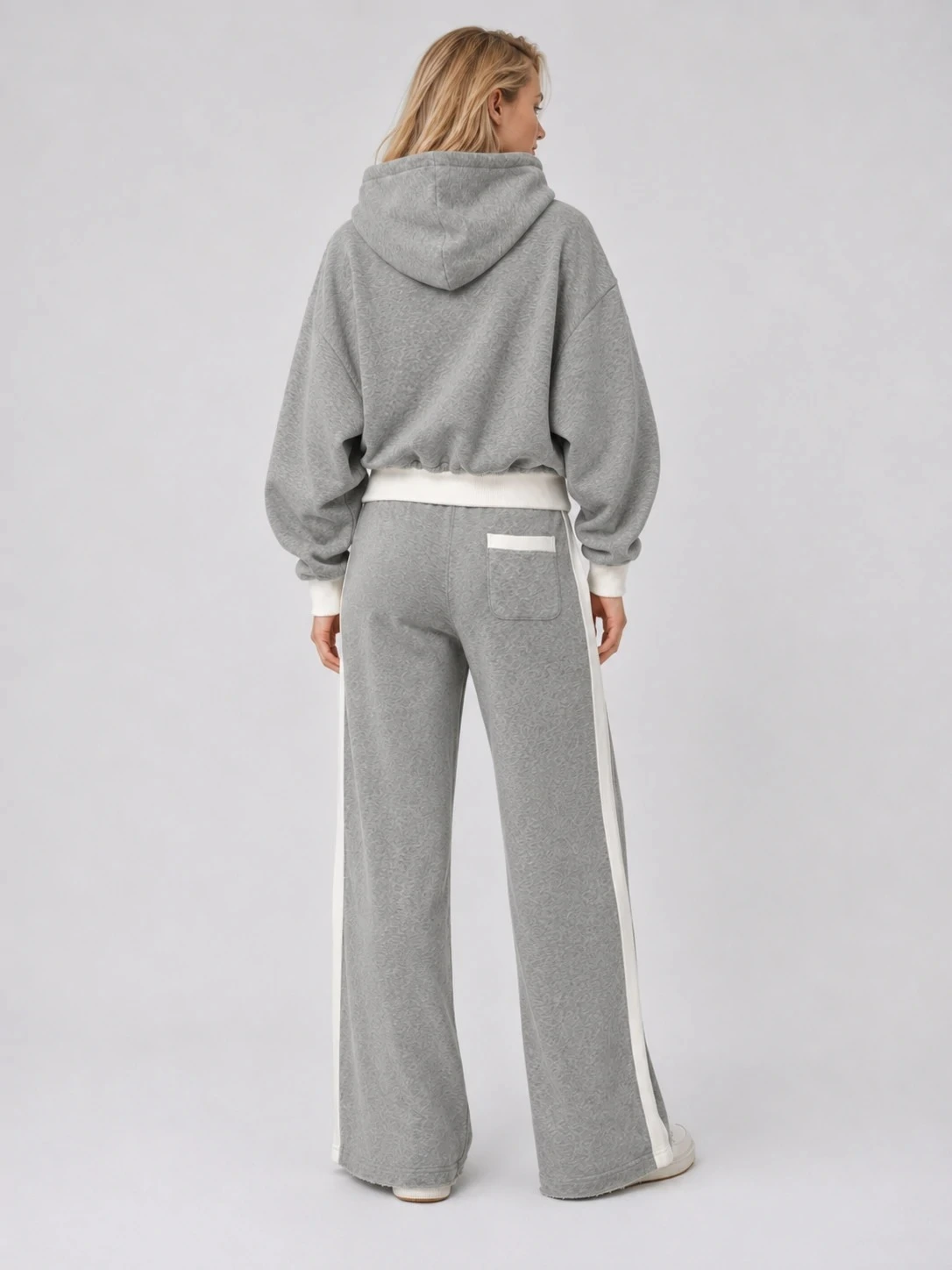
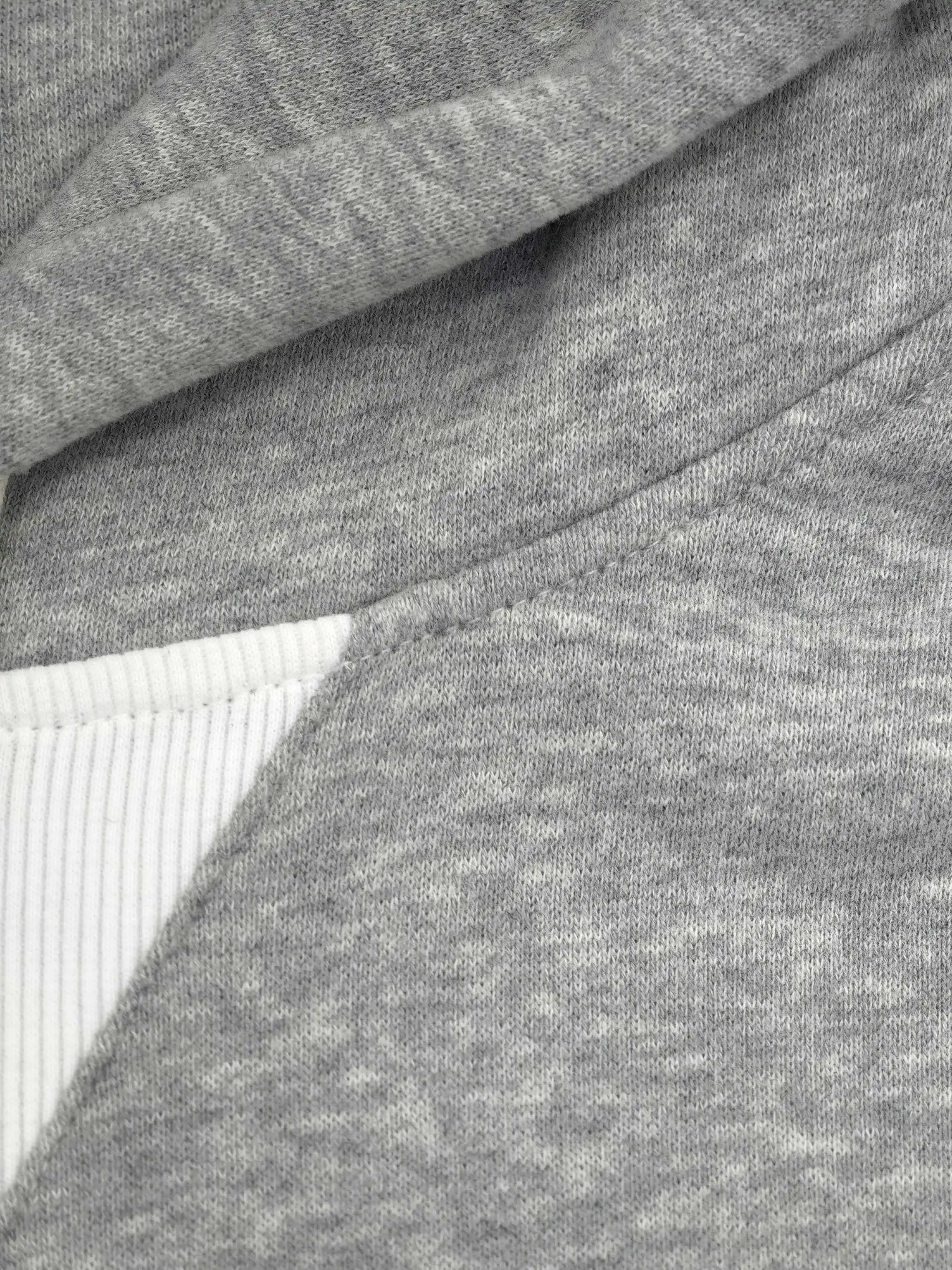
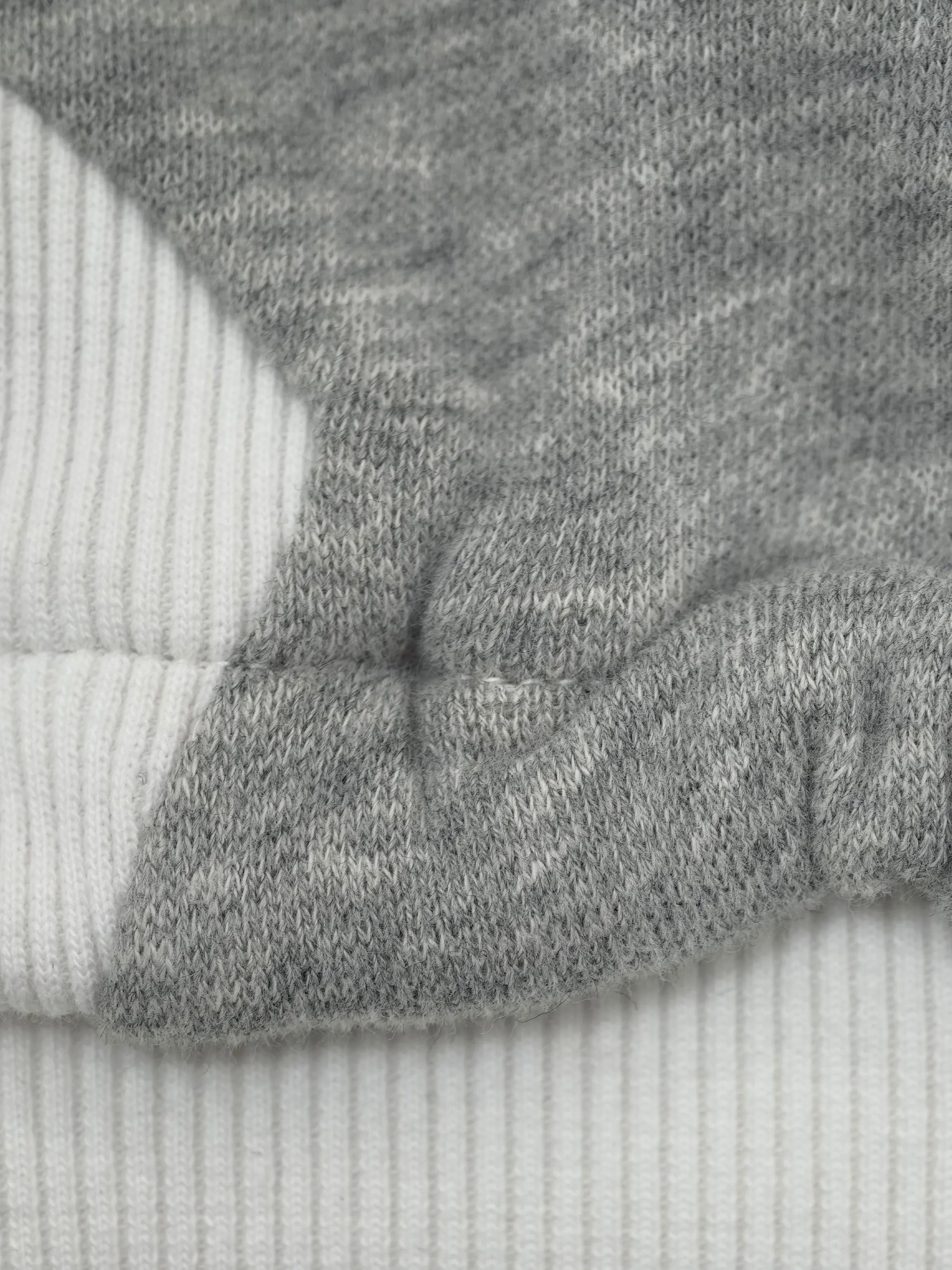
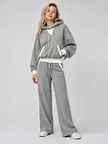
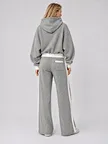
This contrast-trim pullover hoodie combines a relaxed drop-shoulder body with a softly structured hood, long drawcords and bright rib accents at the cuffs and lower edge. Contrast pocket openings and a small neckline insert break up the grey body without making the design overly graphic. The roomy shape works well for streetwear, athleisure, travel and coordinated casual collections that need a clear color-blocked identity.
| Main fabric | 300 GSM: 90% cotton, 10% polyester |
|---|---|
| Ribbing | 420 GSM 2×2 rib |
| Fit | Relaxed pullover silhouette with dropped shoulders and full sleeves |
| Design details | Drawcord hood, contrast neckline insert, bound pocket openings, rib cuffs and hem |
| Suitable for | Streetwear, athleisure, travel, loungewear and coordinated OEM collections |
Cotton-Rich Body with High-Density Rib Support
300 GSM Main Fabric
The body fabric uses 90% cotton and 10% polyester at 300 GSM. The high cotton content contributes a softer, more natural hand, while polyester helps the garment maintain shape through repeated wear and washing. The weight is substantial enough to support the relaxed silhouette and textured surface without pushing the hoodie into a very heavy fleece category.
420 GSM 2×2 Rib Accents
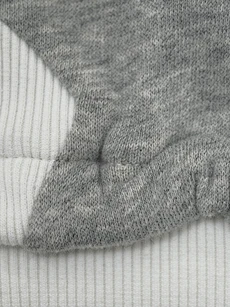
The 420 GSM rib is denser than the body fabric and provides stronger recovery at the cuffs and lower edge. This helps control the volume created by the wide sleeves and relaxed body. Rib stretch, finished circumference and body opening measurements need to be balanced so the hoodie keeps a gathered bomber-like shape without feeling tight at the wrist or waist.
Hood Shape, Pocket Openings and Contrast Placement
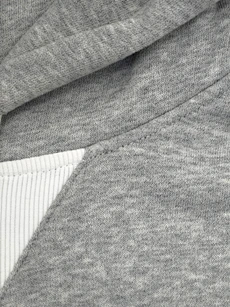
The hood needs enough depth to sit cleanly when worn down while keeping the neckline from becoming bulky. Drawcord length, eyelet position and the contrast insert should remain centered because these details form the main visual focus at the upper front.
The pocket openings use contrast binding, making left-right symmetry and clean corner finishing especially visible. Sampling and in-line inspection should review hood balance, shoulder seam position, pocket opening length, cuff recovery, hem gathering and shade matching between body and trim materials. These controls support a consistent appearance through bulk production.
A Coordinated Layer for Street-Led Casualwear
The hoodie can be merchandised as a standalone pullover or paired with matching wide-leg sweatpants in the same fabric and contrast color direction. Its relaxed upper shape works over fitted tanks and tees, while the shorter gathered hem balances fuller trousers. The grey-and-white combination suits neutral capsule ranges, but the same construction can also be developed with darker tonal trims or brighter seasonal contrasts.
OEM Customization for Hoodie Programs
Pullover hoodie development may include:
- Custom body, rib, drawcord and pocket-binding color combinations
- Adjustments to fabric weight, surface texture and brushed finish
- Changes to body length, sleeve volume, hood depth and hem tension
- Alternative pocket construction, drawcord tips and eyelet finishes
- Embroidery, print, patches or other logo applications after review
- Woven labels, care labels, hangtags and branded packaging
Development can follow a tech pack, reference sample or matching-set brief. Changes to the rib, hood or contrast placement should be sampled together because each element influences proportion, recovery and the overall color balance.
Locking Color Placement Before Bulk Cutting
Before bulk cutting, the sample should be checked for hood shape, drawcord position, pocket symmetry, rib recovery, hem gathering and contrast shade consistency. Order quantities can be discussed according to fabric availability, color combinations and trim requirements. For an accurate quotation, provide the target quantity, size range, preferred color blocking, branding method and any technical files.