
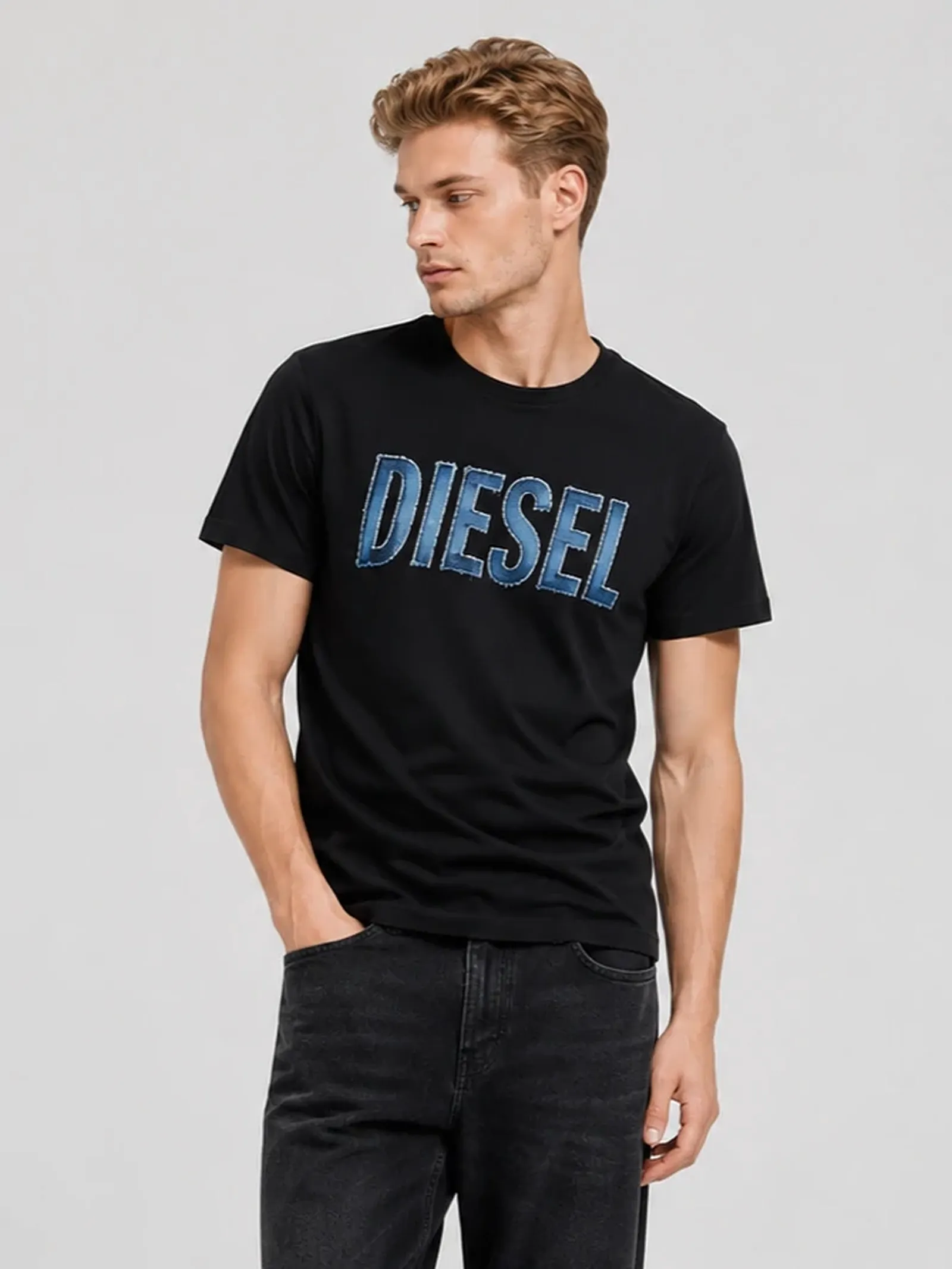
Cotton Appliqué-Embroidered Crew-Neck T-Shirt Supplier










Fabric, wash, decoration, branding, and sampling — aligned to your program from first
sketch to bulk delivery.
Customization & Development
Product Details
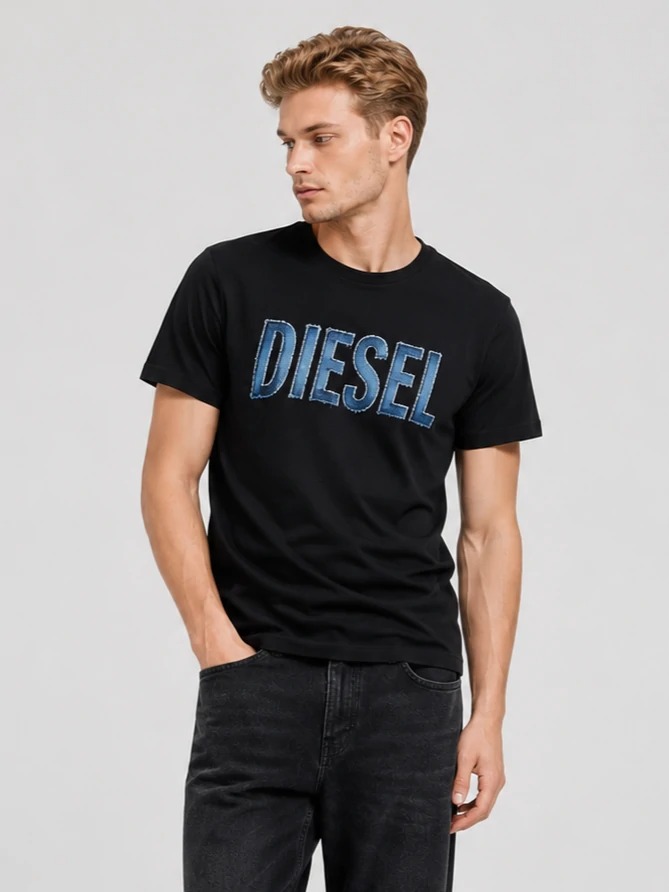
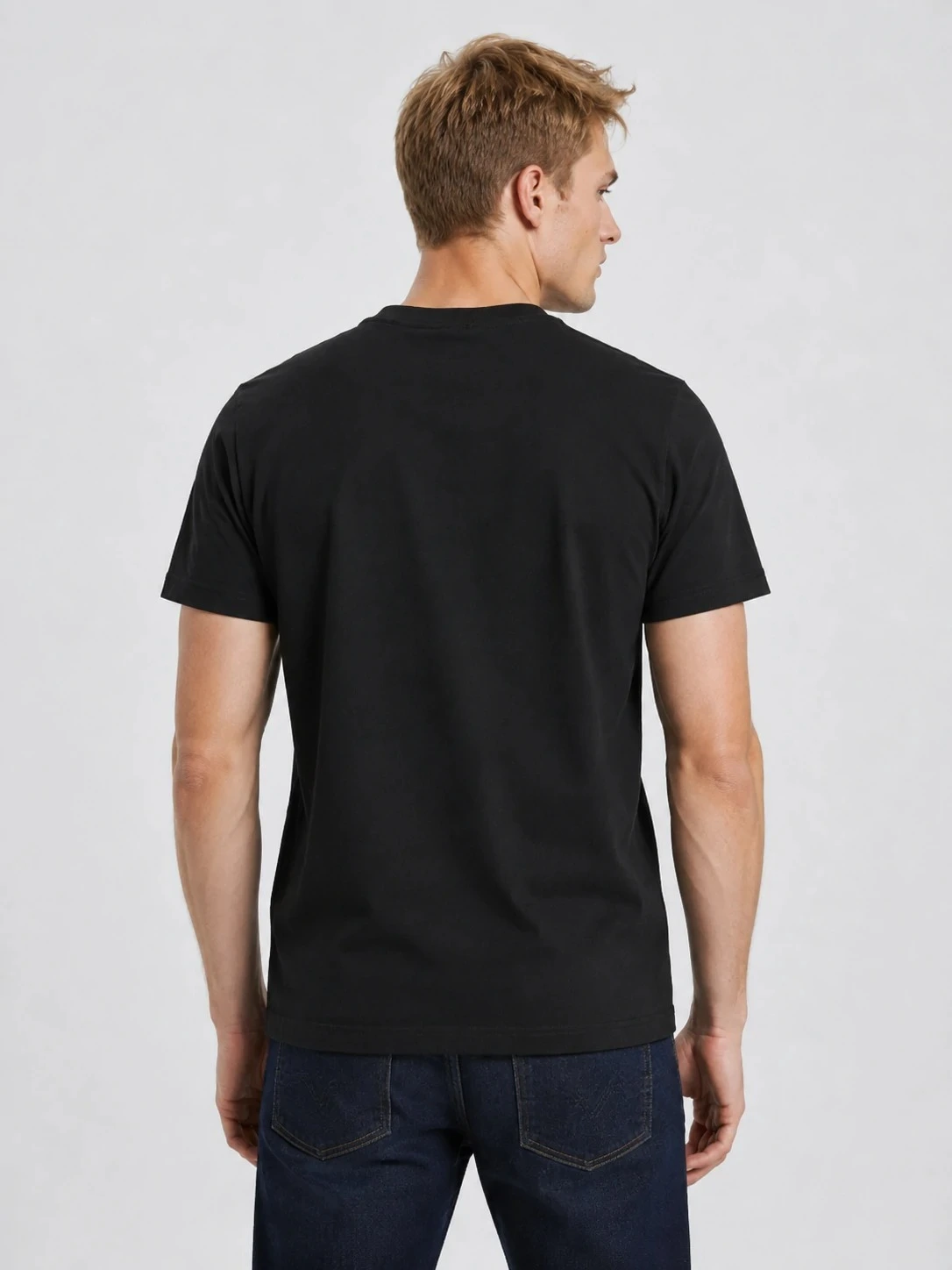
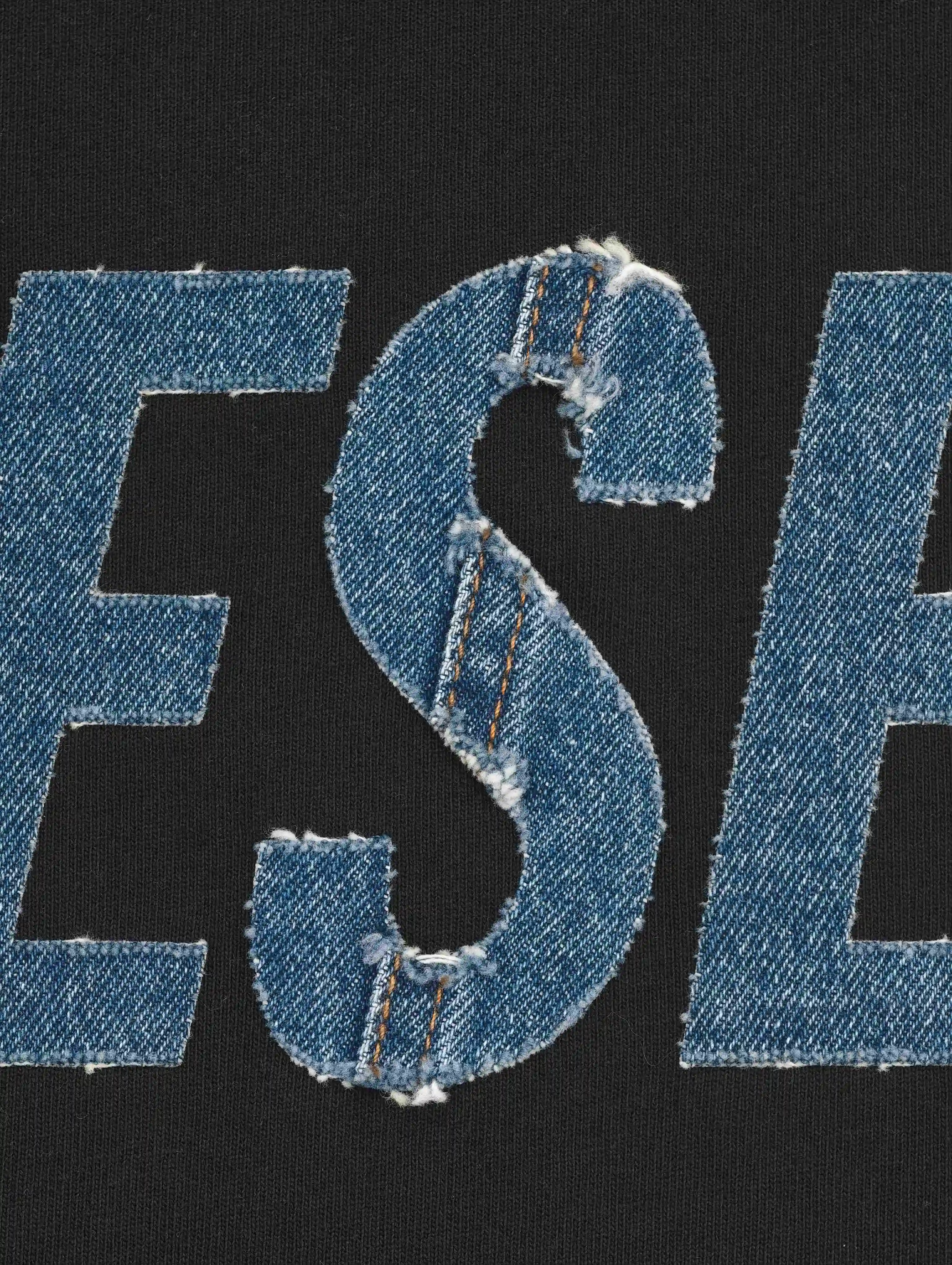
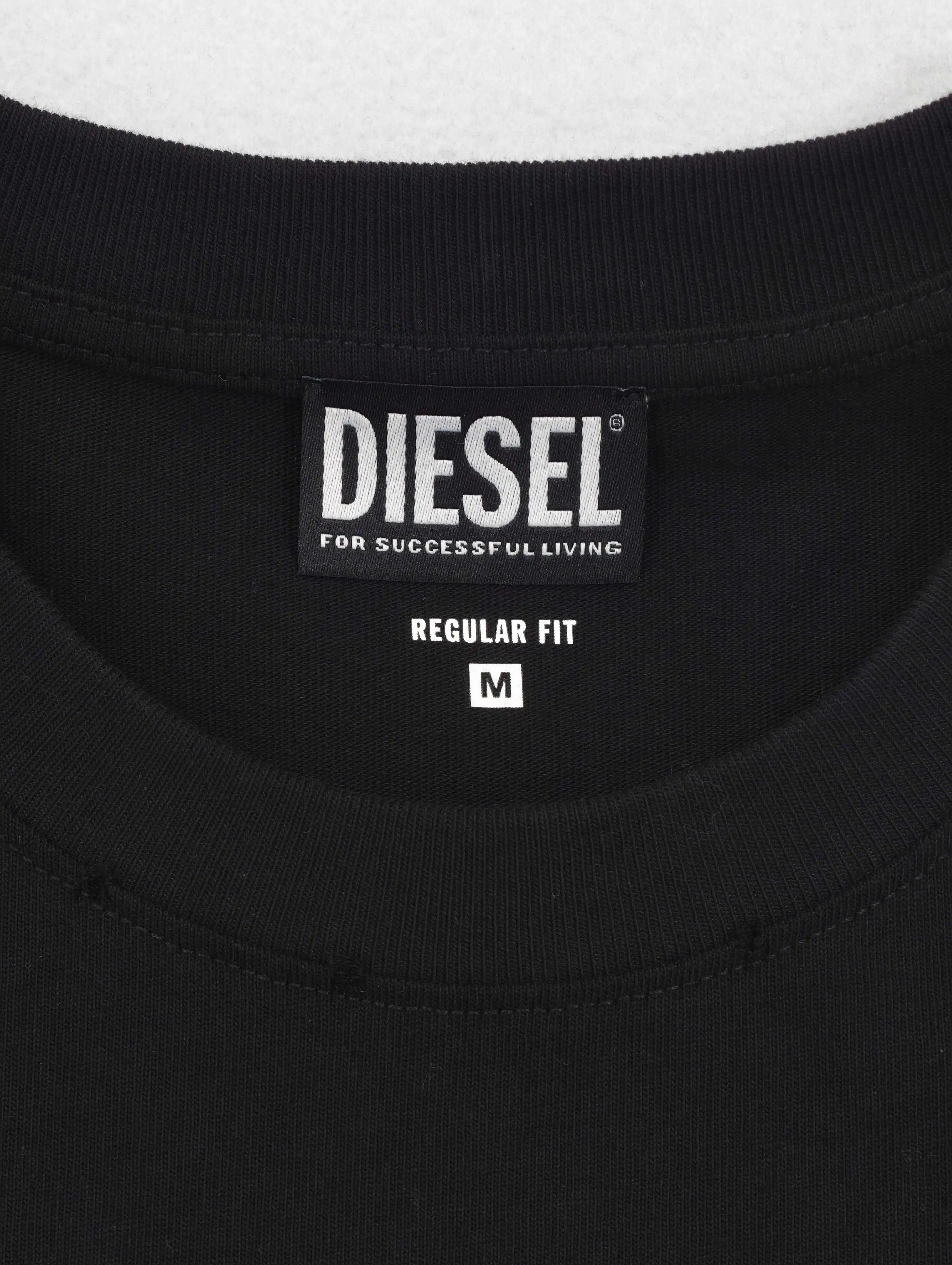
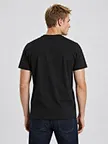
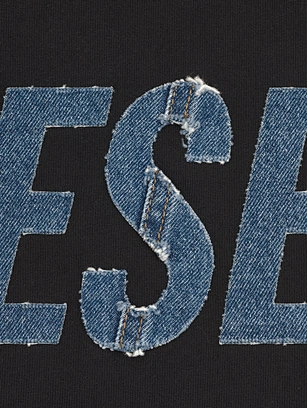
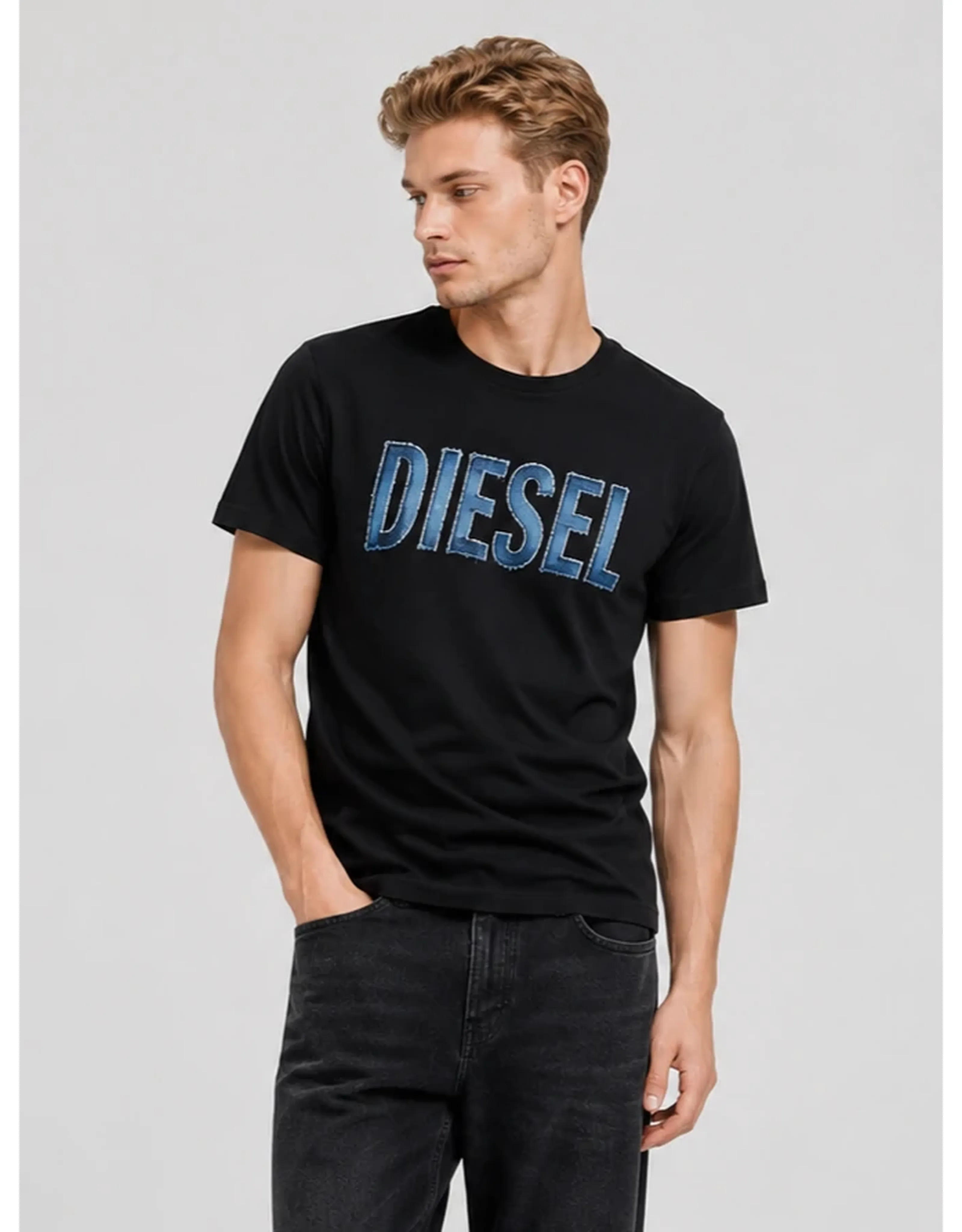
This cotton appliqué embroidery T-shirt combines a substantial short-sleeve jersey body with oversized appliqué lettering across the chest. The layered decoration creates more depth than a standard print because separate fabric pieces are positioned, secured and outlined with embroidery stitches. Its regular crew-neck silhouette makes it suitable for streetwear, casualwear and logo-led capsule collections that require a strong graphic focal point.
| Main fabric | 260 GSM jersey: 100% cotton |
|---|---|
| Decoration | Chest appliqué embroidery with stitched lettering edges |
| Appliqué material | Composition and surface finish to be confirmed from the approved artwork sample |
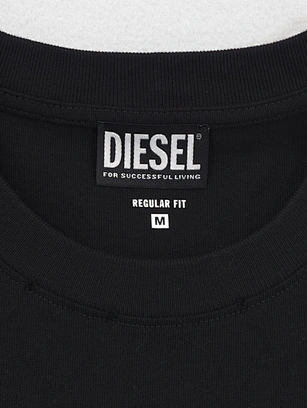
| Fit | Regular short-sleeve crew-neck silhouette |
| Collection use | Streetwear, casualwear, branded merchandise and private label programs |
260 GSM Cotton Jersey for a More Substantial T-Shirt Base
Pure Cotton Hand with Better Graphic Support
The 260 GSM cotton jersey provides more body than lightweight promotional tees and gives the chest decoration a stable base. The weight helps the garment retain a cleaner shape while supporting the added appliqué layers. Fabric approval should cover shrinkage, pilling, spirality, colorfastness and surface smoothness before embroidery begins.
Balancing Comfort with Decoration Weight
Large lettering adds localized weight across the chest. The appliqué fabric, embroidery thread and backing should therefore be selected together so the front panel does not feel excessively stiff. The inside finish should also remain comfortable against the body, especially where dense stitch areas require stabilizer.
Controlling Appliqué Placement and Embroidery Tension
Each letter must be cut accurately and positioned according to the approved artwork. Small shifts in spacing, angle or baseline become obvious across a wide chest graphic. Temporary fixing methods should hold the appliqué pieces securely before the outline embroidery is completed.
Stitch density must secure the edges without pulling the cotton jersey into waves. Excessive tension may cause puckering, while insufficient coverage can allow the appliqué edges to lift after washing. Bulk inspection should include placement measurements, edge coverage, thread breaks and front-panel distortion.
A Graphic Cotton Tee for Streetwear and Logo Capsules
This style works as a core branded T-shirt with a more tactile finish than screen printing or heat transfer. It can be paired with denim, cargo pants and casual outerwear. Different appliqué fabrics can shift the direction toward denim, felt, twill, fleece or vintage-inspired collections without changing the base garment pattern.
Customization Paths for Appliqué Logo T-Shirts
OEM production support may include:
- Custom lettering, logo shapes and appliqué dimensions
- Alternative appliqué fabrics, colors and distressed finishes
- Different embroidery threads, edge stitches and density levels
- Adjustments to body fit, sleeve length and garment wash
- Neck labels, hangtags, packaging and other branded trims
Buyer FAQs for Appliqué Embroidery Tees
Is appliqué embroidery the same as direct embroidery?
No. Appliqué uses separate fabric pieces attached to the garment and secured with embroidery around their edges.
What should be tested before bulk production?
Priority checks include wash durability, edge lifting, puckering, color transfer, backing comfort and logo placement.
Can the appliqué fabric differ from the T-shirt body?
Yes. Denim, twill, felt or other materials can be used after shrinkage, colorfastness and care compatibility are confirmed.
Approving Appliqué Edge Coverage Before Bulk Embroidery
Review the approved sample for lettering placement, appliqué material, stitch density, backing comfort, front-panel flatness and wash performance. Sampling and custom T-shirt manufacturing can be coordinated with artwork, fabric and finishing requirements. For quotation, provide the target quantity, size range, logo file, appliqué reference, colorways, branding details and technical files.