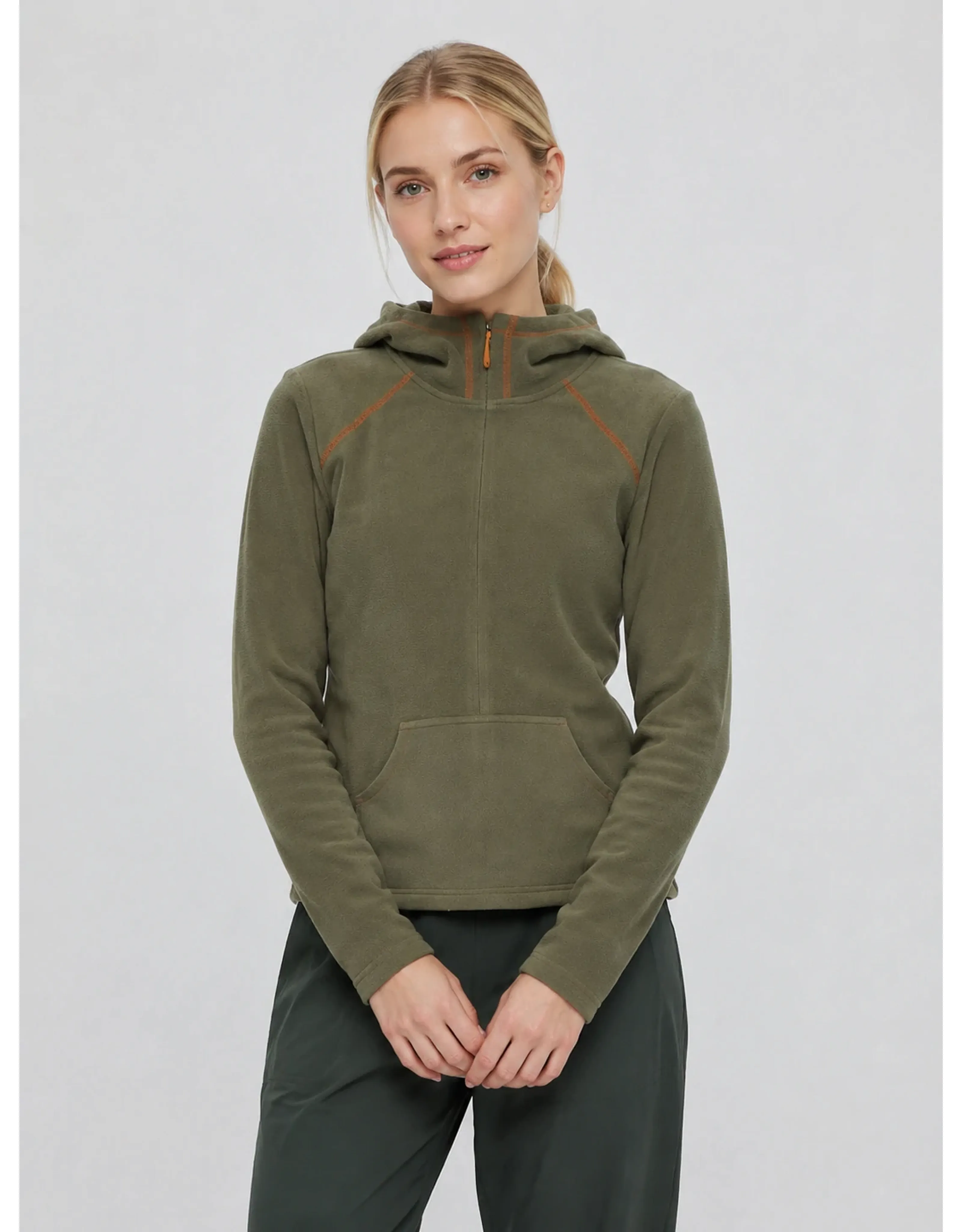
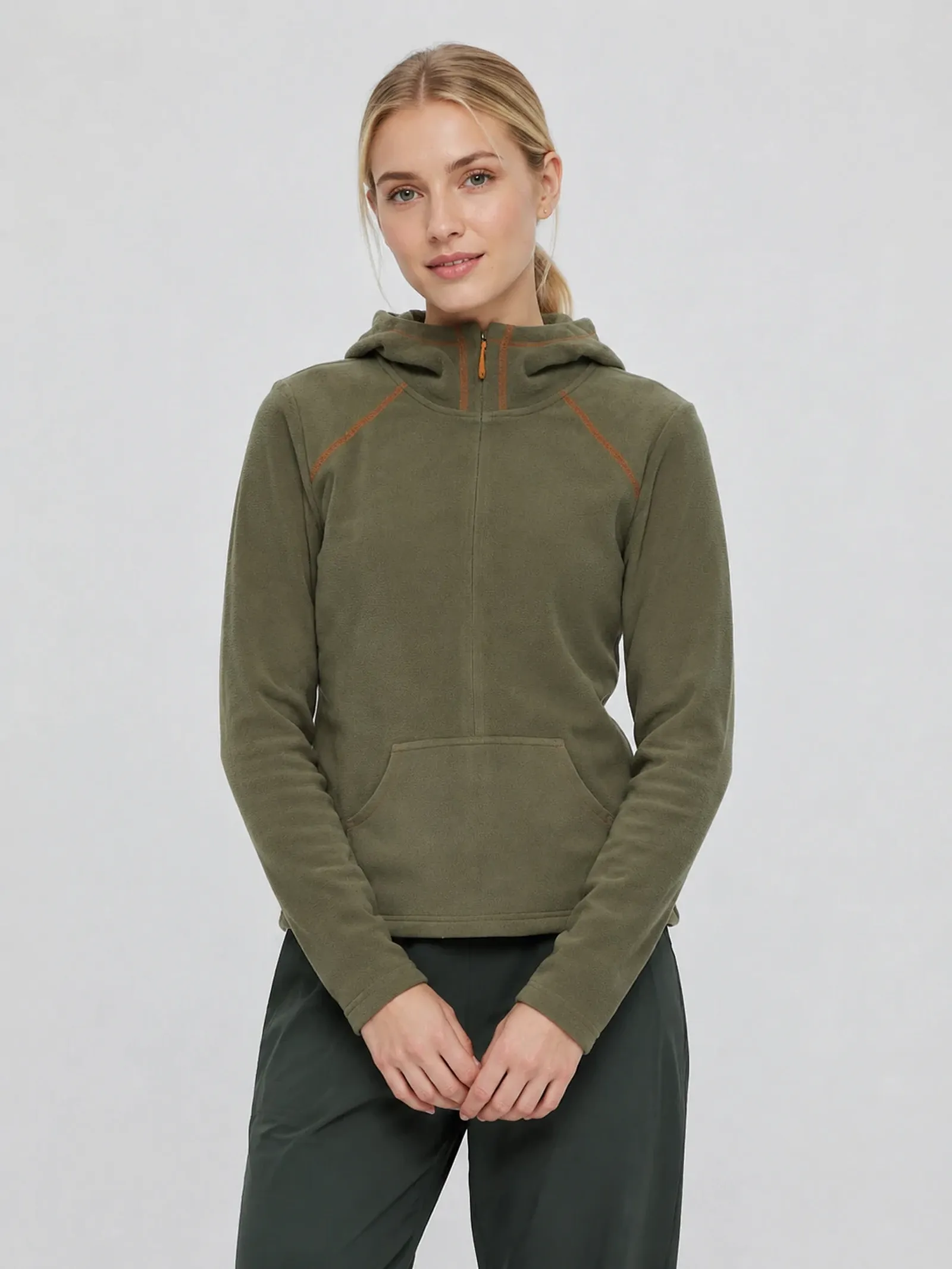
Custom Contrast-Coverstitch Half-Zip Fleece Hoodie











Fabric, wash, decoration, branding, and sampling — aligned to your program from first
sketch to bulk delivery.
Customization & Development
Product Details
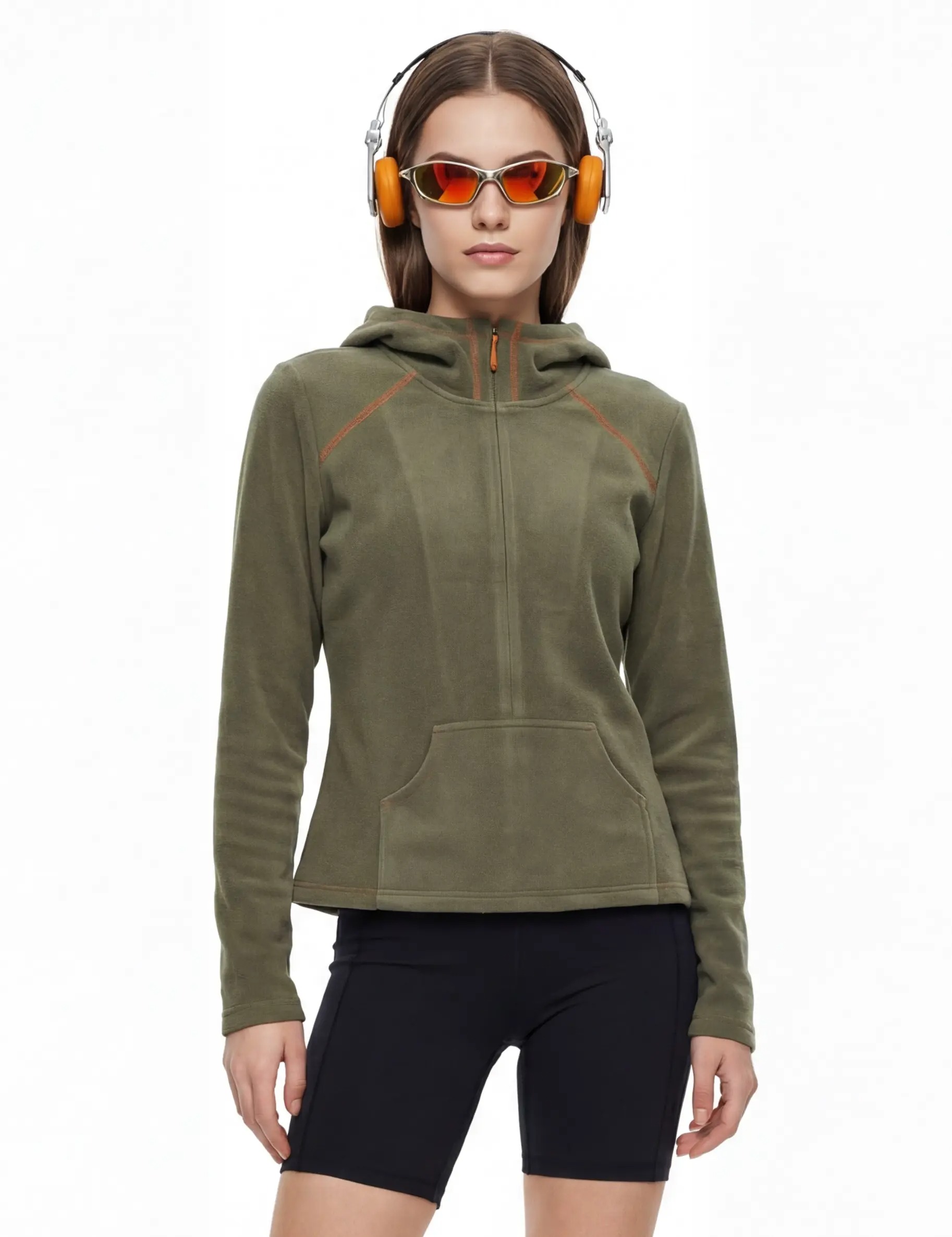
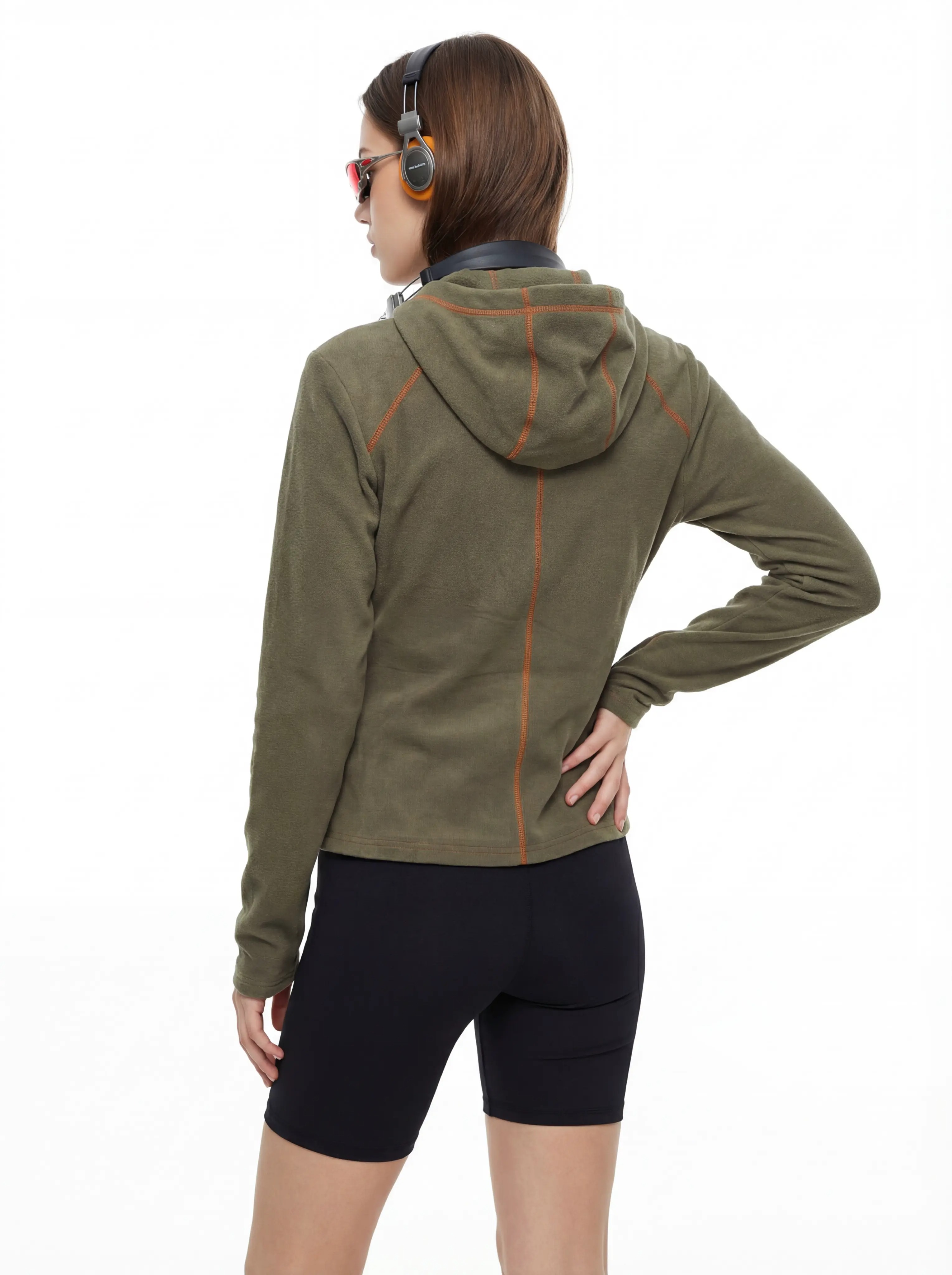
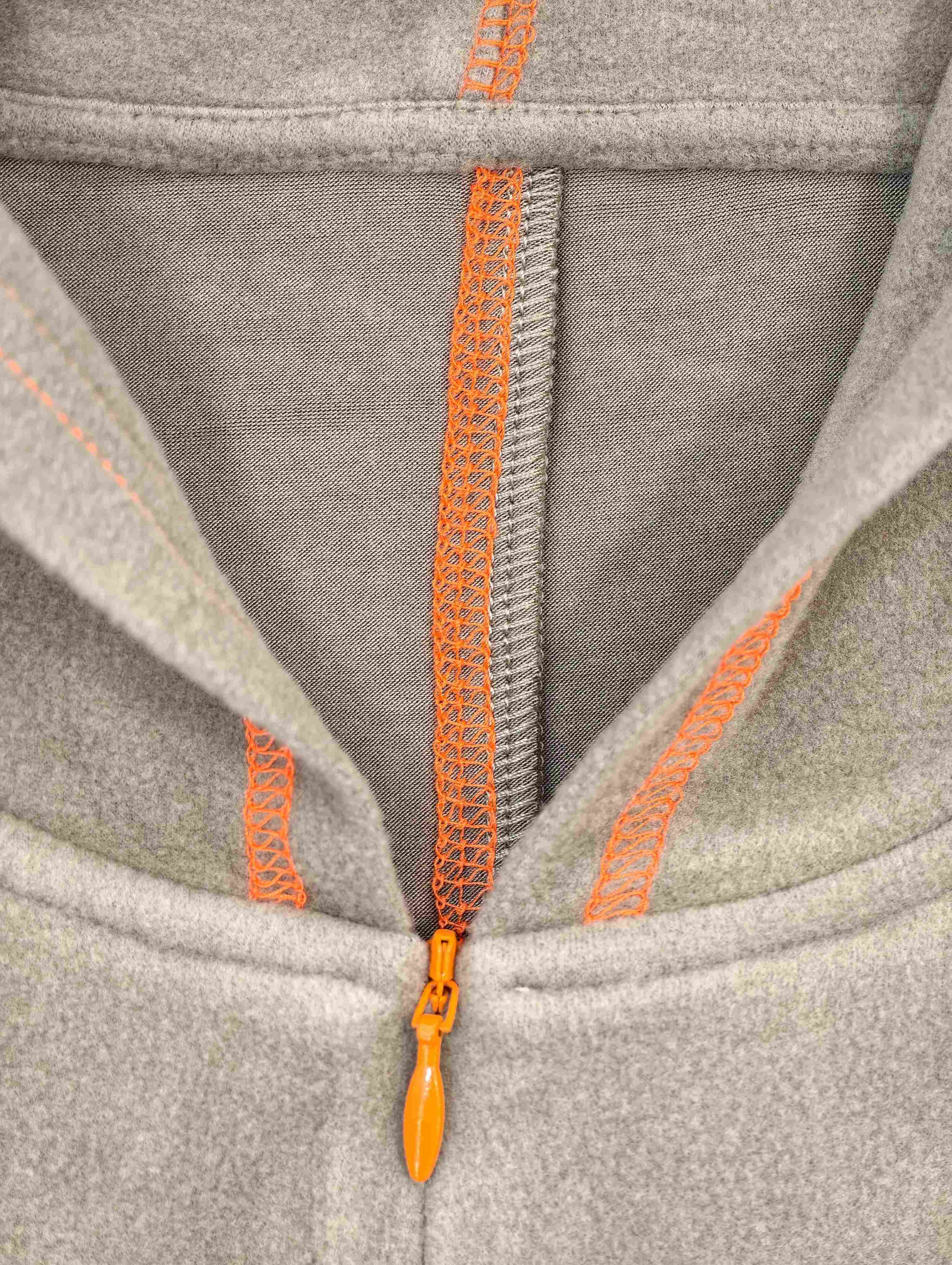
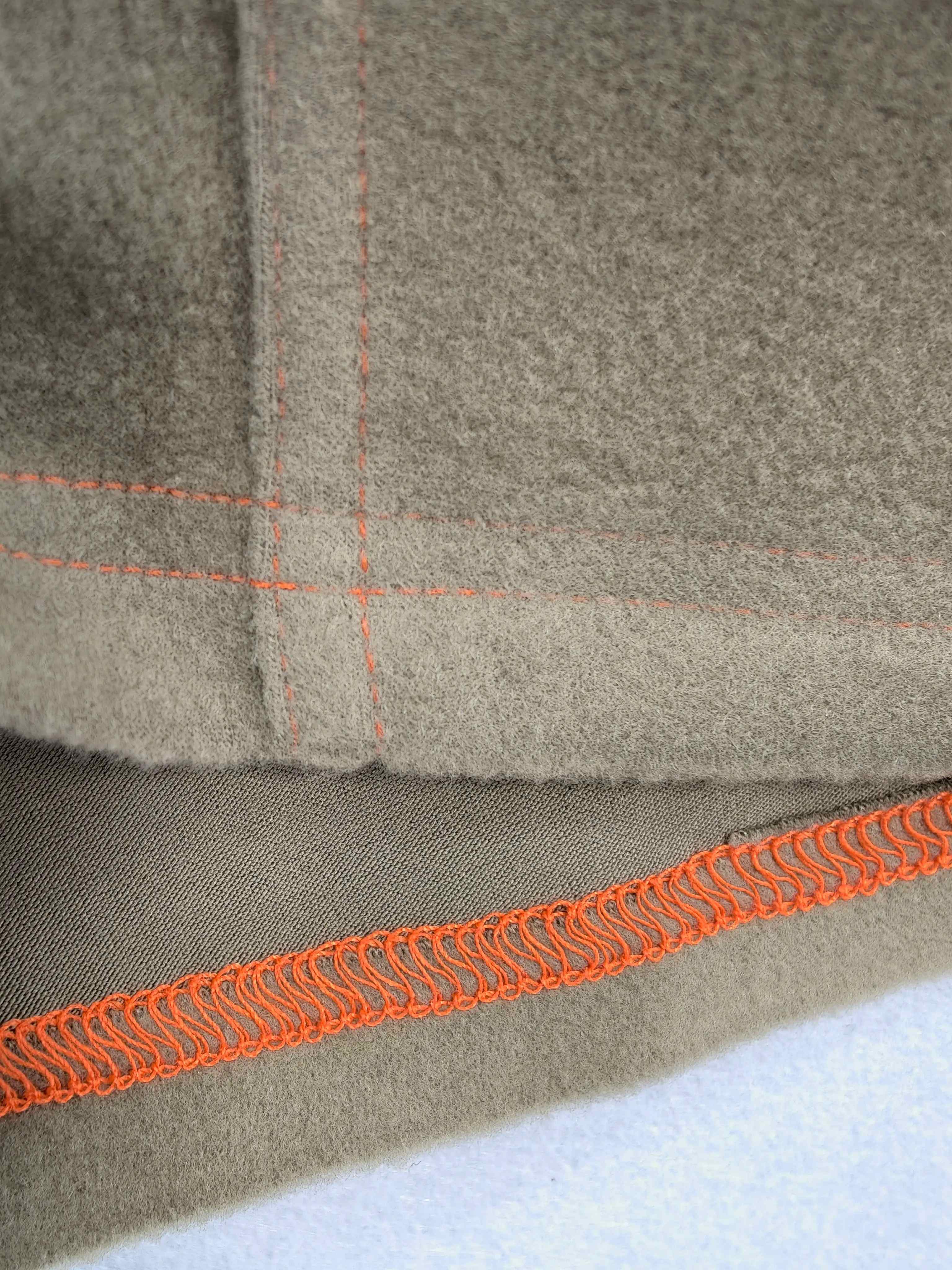
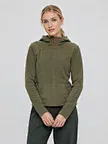
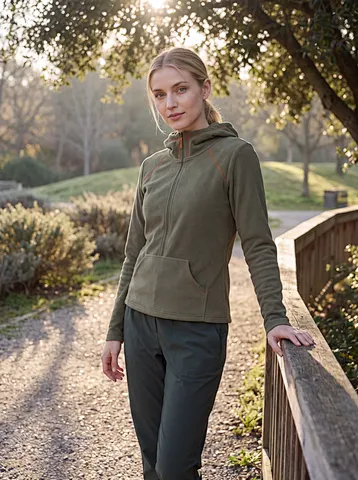
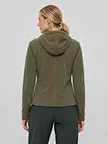
This custom quarter-zip brushed fleece hoodie combines a close everyday fit with a protective hooded neckline, short front zipper and contrast seam accents. The 240 GSM single-brushed fleece jersey uses rayon for a softer hand, acrylic for added body and spandex for flexibility. A kangaroo pocket keeps the front practical, while the olive body and warm contrast stitching give the style a casual outdoor direction without making it overly technical.
| Main fabric | 25% acrylic, 66.7% rayon, 8.3% spandex single-brushed fleece jersey |
|---|---|
| Fabric weight | 240 GSM |
| Fit | Regular close-fitting silhouette with full-length sleeves |
| Design details | Hooded funnel neckline, quarter zipper, contrast seam stitching, kangaroo pocket and straight hem |
| Suitable for | Casualwear, travel, outdoor lifestyle, layering and private label hoodie collections |
Single-Brushed Fleece Jersey with Softness and Stretch
Rayon-Rich Handfeel with Flexible Recovery
The high rayon content gives the fabric a smooth, softer touch, while acrylic helps the jersey maintain body and surface consistency. With 8.3% spandex, the material has enough give through the shoulder, elbow and body for everyday movement without creating the tight feel of compression activewear.
Brushed Surface Needs Controlled Fabric Selection
The single-brushed finish adds warmth and a softer inner touch while keeping the outer face relatively clean. Pile consistency, pilling resistance, recovery and dimensional change should be checked together. When alternative fleece weights or handfeels are being considered, suitable qualities can be reviewed through the fabric sourcing network before the final base is approved.
Quarter-Zip Neckline and Hood Balance
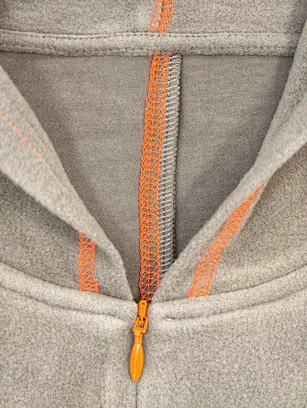
The short zipper allows the neckline to open for easier dressing while retaining a more protective high-neck shape when closed. Zipper length, hood depth and neckline circumference should be developed together so the collar area does not feel bulky or collapse unevenly.
The hood sits close to the neck rather than forming an oversized sweatshirt shape. Its seam position and upper-front opening should stay balanced with the quarter zip so the front remains symmetrical when worn both open and closed.
Contrast Seam Lines as a Controlled Design Detail
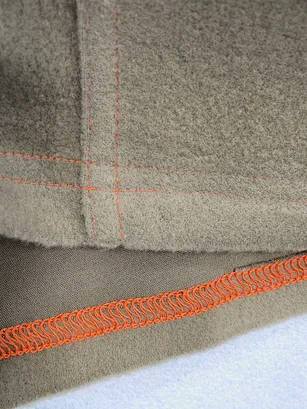
Warm contrast stitching around the shoulder, neckline and pocket edge creates the main visual accent on the olive body. Stitch color, width and tension should remain consistent across the garment so the detail looks intentional rather than decorative afterthought.
Because contrast seams make small sewing deviations easier to notice, seam allowance and stitch tension require stable control during production. Curved shoulder areas are especially important because uneven feeding can create visible waviness.
Kangaroo Pocket Placement and Front Proportion
The centered kangaroo pocket provides practical storage while also anchoring the lower front visually. Pocket height, opening angle and width should be adjusted to suit the body length so the pocket does not sit too low or interfere with the fitted silhouette.
Reinforcement at the pocket openings should remain low profile. Heavy bartacks or excessive layers can look bulky against the softer fleece jersey.
Positioned within Sweatshirts & Hoodies
This style sits naturally within a Sweatshirts & Hoodies collection, but the fitted body, short zipper and contrast seam treatment give it a more refined outdoor-lifestyle character than a standard pullover hoodie. It can be paired with joggers, straight-leg knit pants or lightweight technical bottoms for coordinated travel and casual sets.
Production Control for Zippers, Stretch Seams and Brushed Jersey
Quarter zippers, curved seam lines and stretch fabric all introduce different handling requirements. The zipper area needs controlled feeding to prevent waviness, while stretch seams must recover cleanly after sewing without puckering the brushed jersey.
Consistent machine settings and seam handling are especially important when the contrast stitch itself is part of the design. Suitable production technology and equipment help maintain zipper alignment, seam tension and repeatable finishing across multiple sizes.
Custom Options for Private Label Fleece Hoodies
Private label quarter-zip hoodie development may include:
- Alternative fleece weights, blend ratios and brushing levels
- Custom body colors and contrast stitch combinations
- Different hood depth, collar height and zipper lengths
- Alternative kangaroo, welt or concealed pocket constructions
- Regular, cropped or relaxed body proportions
- Custom zipper pullers, labels, hangtags and branded packaging
Before bulk release, the sample should confirm fabric recovery, hood balance, zipper flatness, shoulder mobility, seam appearance, pocket position and post-wash measurements.
Frequently Asked Questions
Can the hoodie be made heavier?
Yes. A heavier brushed fleece can be developed when the collection requires more warmth, structure or a denser handfeel.
Can the contrast stitching be changed?
Yes. Stitch color can be matched to the body for a cleaner look or changed to a stronger contrast for a more visible seam direction.
Can the quarter zipper be replaced with a half zip?
Yes. Zipper length and neckline construction can be adjusted according to the required opening and styling direction.
What should be approved before manufacturing?
Confirm fabric weight, brushing level, recovery, hood dimensions, zipper length, seam tension, pocket placement, shrinkage and finished garment measurements.
Approve Hood Shape, Zipper Flatness and Seam Contrast before Bulk
Review the sample for neckline comfort, hood balance, zipper operation, shoulder mobility, kangaroo pocket position and contrast-stitch consistency. For sampling and quotation, provide the target quantity, size range, preferred fit, color direction, stitch color, zipper specification, logo details, labels, packaging information and available technical files.