

Custom Modal-Blend Ruched Midi Skirt











Fabric, wash, decoration, branding, and sampling — aligned to your program from first
sketch to bulk delivery.
Customization & Development
Product Details
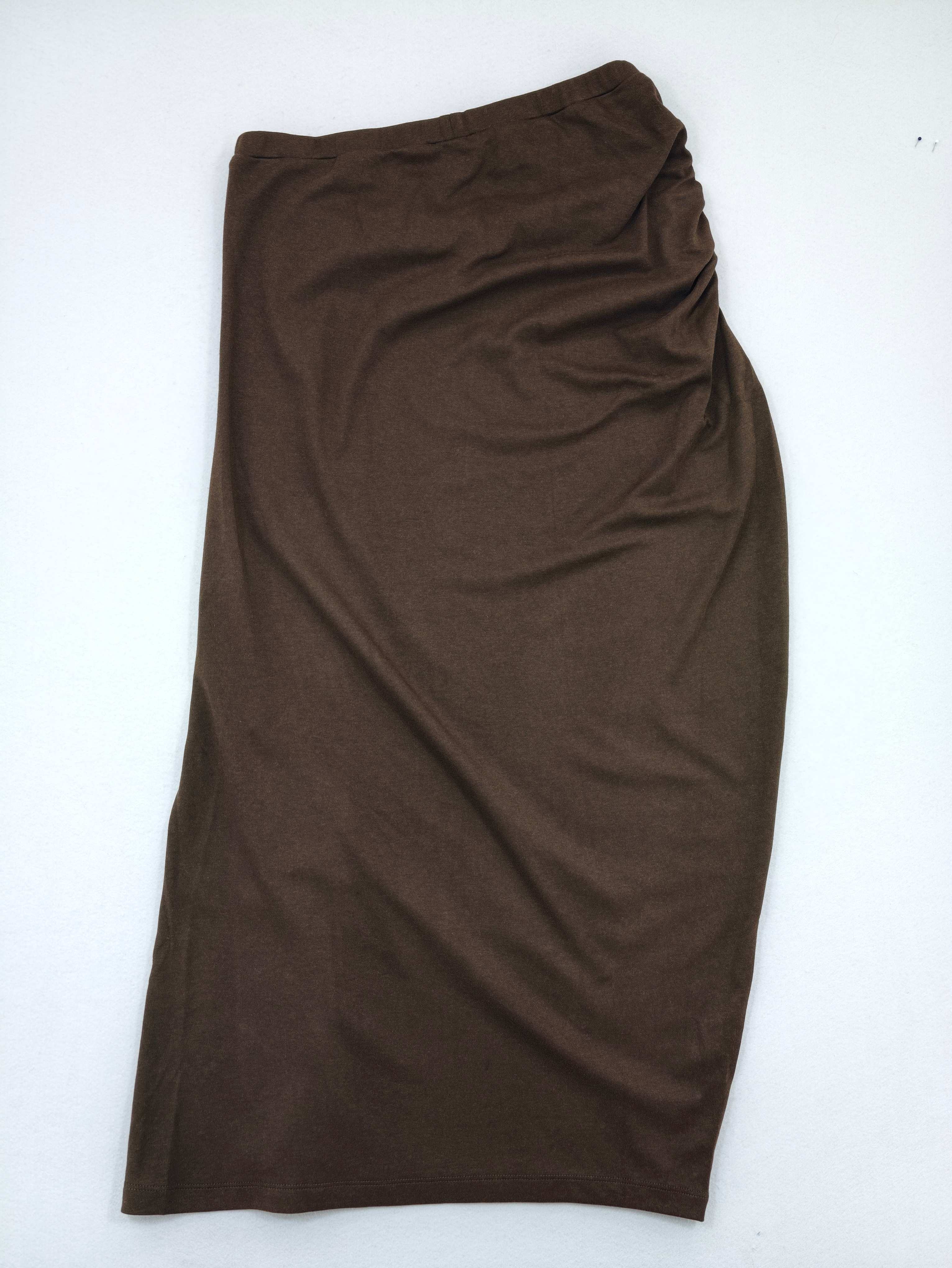
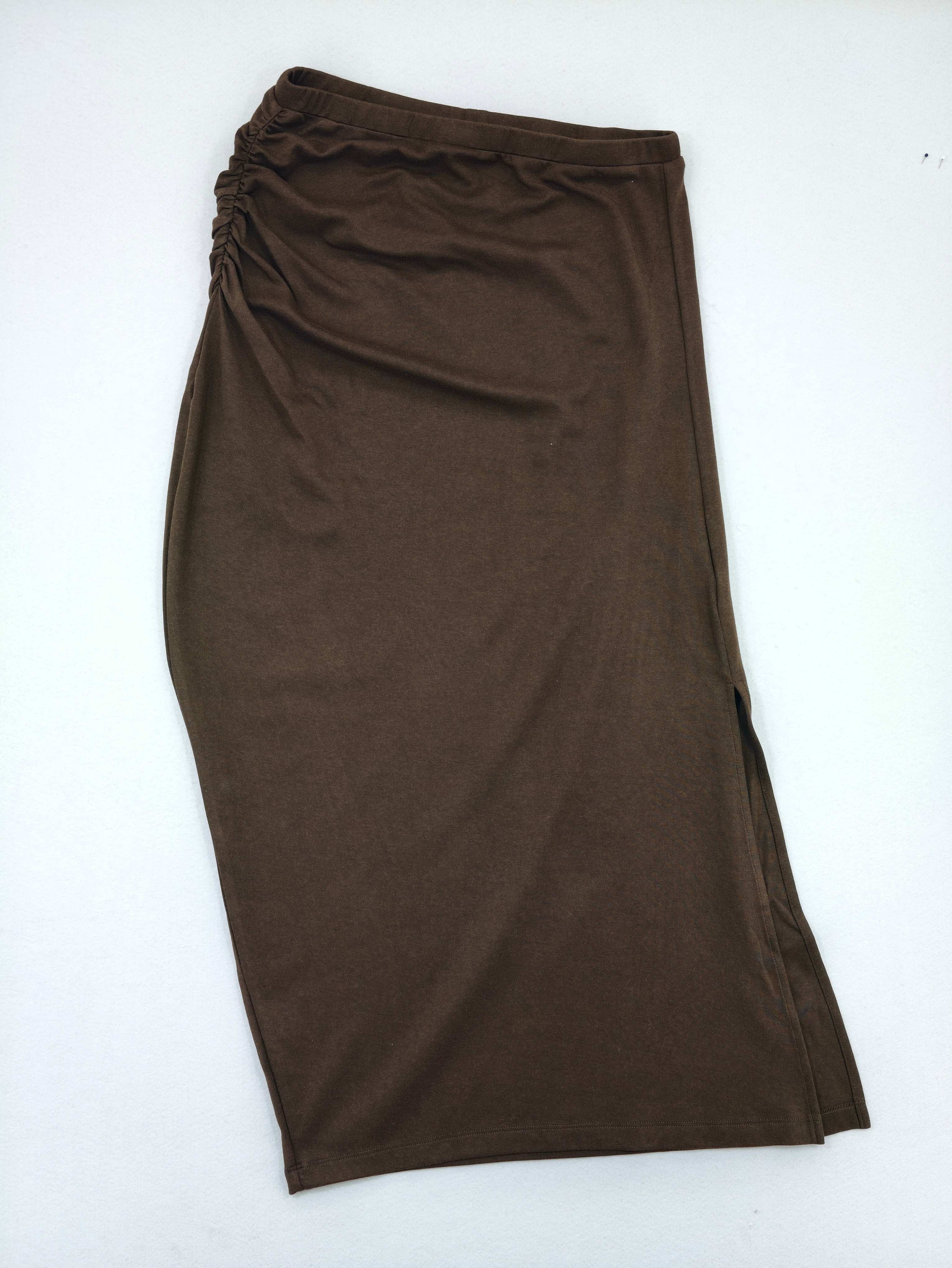
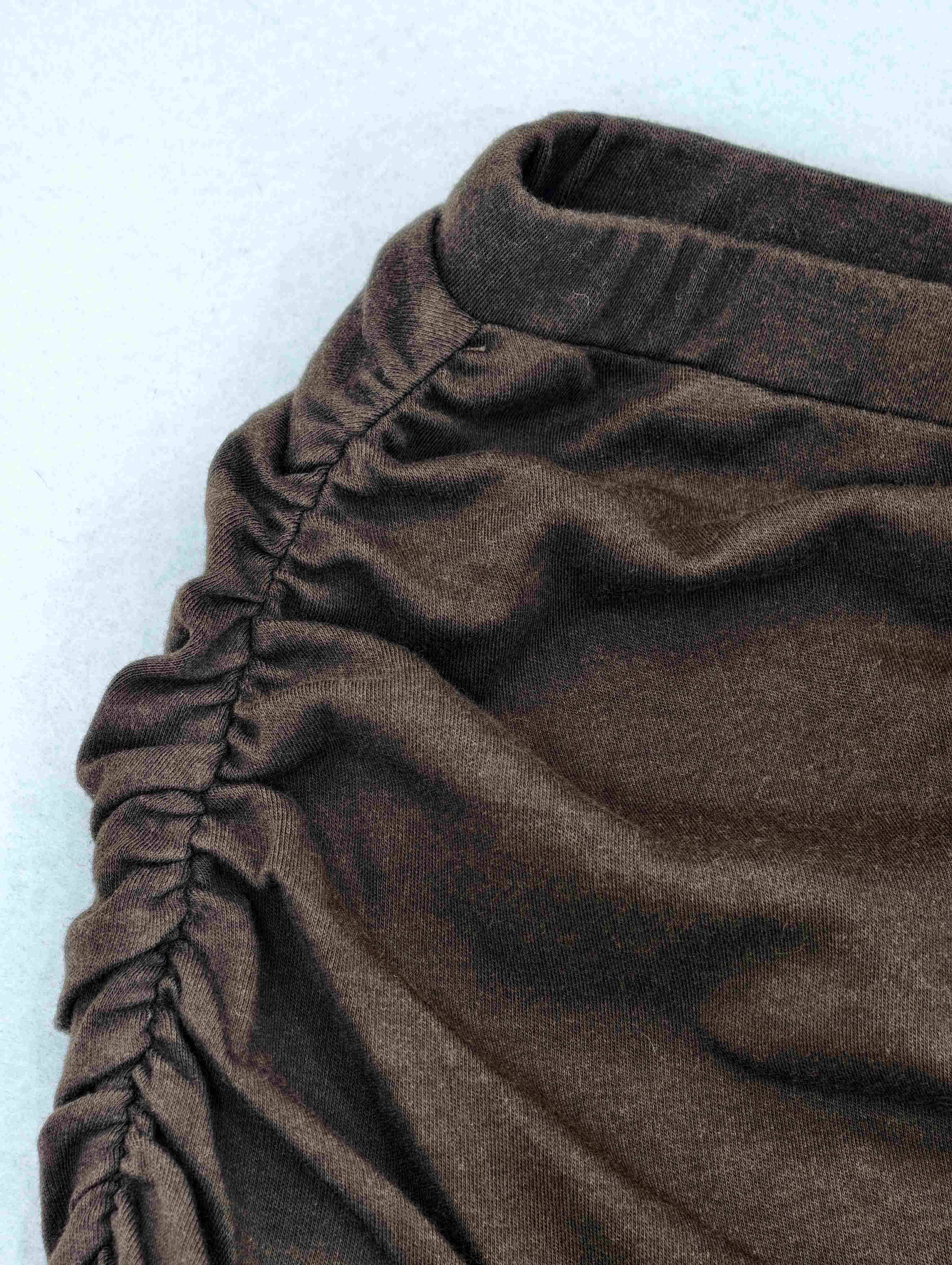
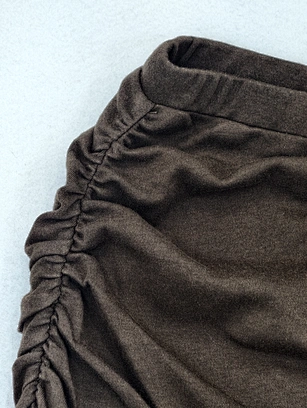
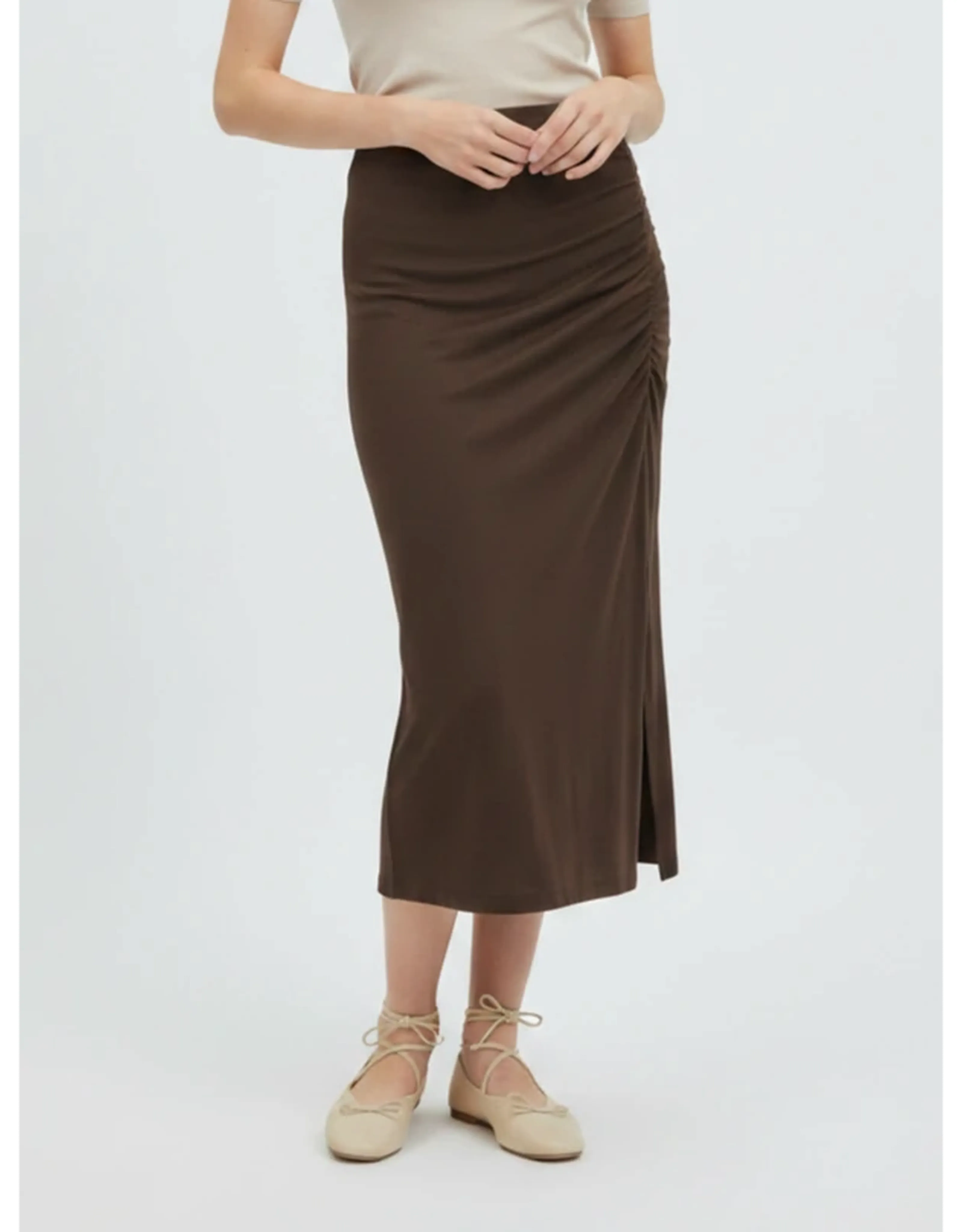
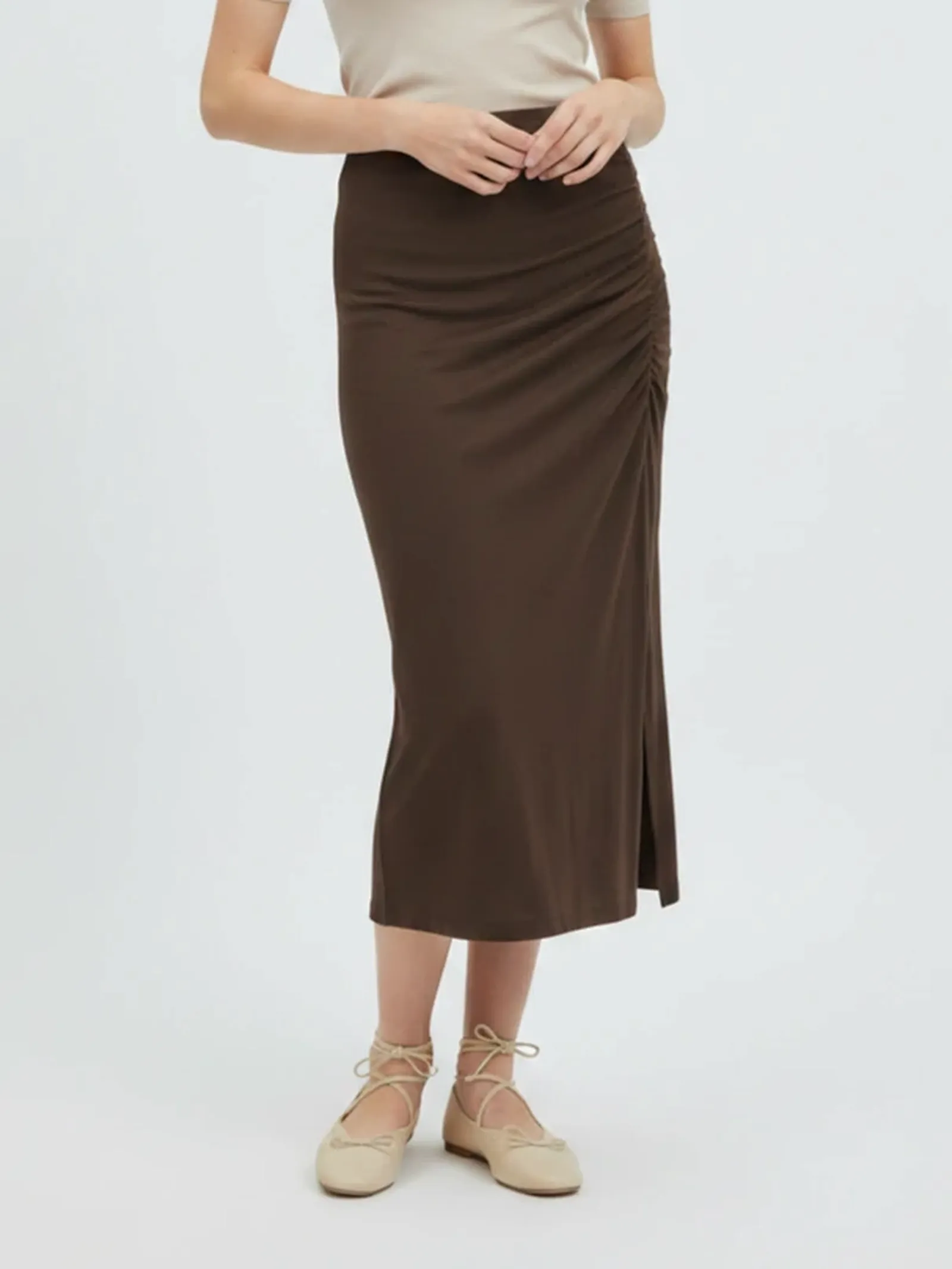
This modal-blend ruched midi skirt combines a clean high-waist silhouette with controlled gathering along one side and a narrow lower-leg slit. The fitted upper section follows the body without appearing rigid, while the asymmetric ruching softens the straight midi line. It suits feminine lifestyle, refined casualwear and coordinated knit collections.
| Main composition | 56.7% modal, 27.2% cotton, 6.1% sheep’s wool, 6% spandex, 3.5% viscose |
|---|---|
| Fabric weight | To be confirmed before sampling |
| Fabric direction | Soft stretch knit with smooth drape and light warmth |
| Fit direction | High-waisted fitted midi silhouette |
| Key details | Single-side ruching, side slit and clean waistband finish |
Modal-Cotton Stretch Knit with a Softer Drape
Balancing Comfort, Recovery and Surface Feel
Modal and viscose support a smooth handfeel and fluid fall, while cotton adds familiarity and breathability. Six percent spandex provides the stretch needed for a close midi fit and helps the skirt recover after sitting or walking. The small wool content adds light warmth and a slightly richer touch without making the fabric bulky.
Confirming Weight, Opacity and Pilling Performance
Fabric weight must be confirmed because it affects cling, opacity and the stability of the side gathers. The blend should also be tested for pilling, dimensional change, spirality and color fastness. Dark brown shades require consistent dyeing so stretched areas do not appear noticeably lighter.
Single-Side Ruching with Controlled Distribution
The gathered section should create an intentional diagonal drape rather than irregular wrinkles. Gathering ratio, stitch tension and finished length need to be defined in the approved sample. The ruching must remain consistent across sizes while allowing the skirt to hang level at the hem.
High-Waist Fit and Stretch Recovery
Keeping the Waist Secure Without Excess Pressure
The waistband should sit smoothly against the body and recover after repeated wear. Waist circumference, internal stabilization and seam elasticity must be checked together. A waistband that is too firm can distort the side gathering, while insufficient support may allow the skirt to slide downward.
Controlling Seat and Hip Measurements
Negative ease should be set according to the final fabric stretch, not a generic knit block. Hip, seat and upper-thigh measurements need to maintain a fitted look without creating horizontal drag lines or overstressing the side seam.
Side Slit Stability and Seam Reinforcement
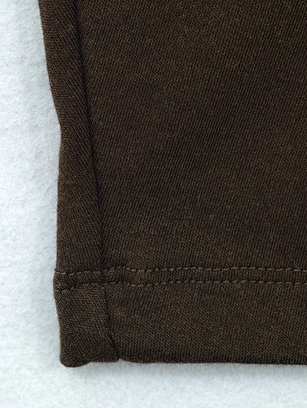
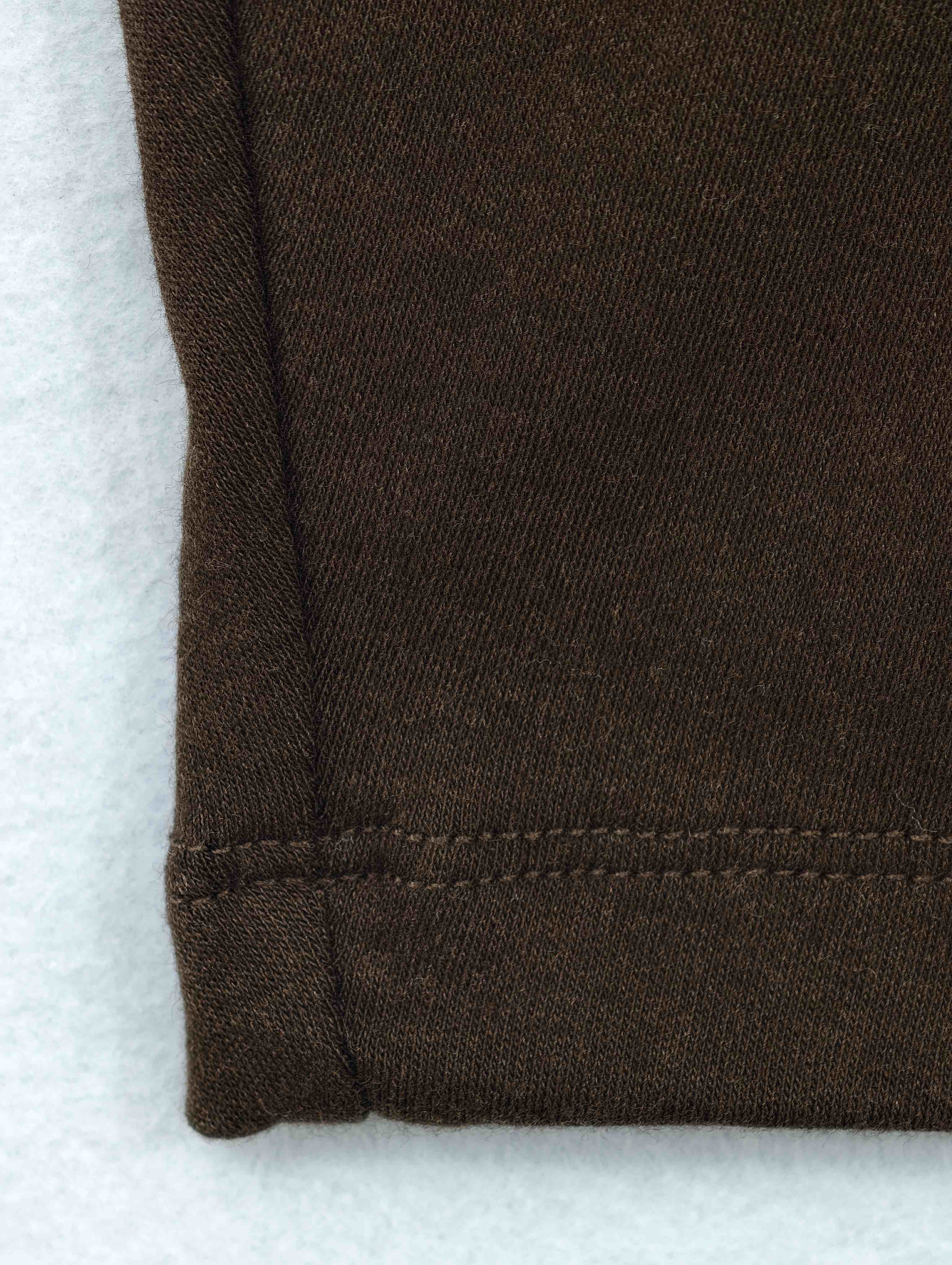
The lower slit supports walking movement and balances the narrow midi shape. Its upper endpoint should be reinforced to prevent tearing during wear. Slit depth, side-seam alignment and hem turning must remain symmetrical, especially after washing and pressing.
OEM Options for Ruched Midi Skirts
OEM skirt development may include:
- Alternative ruching lengths, placements and gathering ratios
- Adjustments to waist height, skirt length and slit depth
- Different stretch jerseys, ribs and seasonal colorways
- Matching tops, polos or fitted knit separates
- Woven labels, hangtags and customized packaging
Buyer FAQs for Stretch Ruched Skirts
Does the fabric contain real wool?
Yes. The supplied composition includes 6.1% sheep’s wool.
Will the side gathering stretch out?
Recovery depends on fabric quality, gathering construction and seam tension. A wear and wash test should be approved.
Is lining required?
It depends on GSM, opacity and color. The final fabric should be assessed on-body before lining is confirmed.
What should be confirmed before manufacturing?
Priority checks include GSM, opacity, stretch recovery, pilling, ruching distribution, slit reinforcement and finished measurements.
Setting the Ruching Ratio Before the Hip Grade and Slit Depth Are Released
Review the sample for waist stability, hip fit, gathering distribution, slit strength, hem balance and post-wash recovery. For sampling and quotation, provide the quantity, size range, fabric reference, target length, color standard, branding details and technical specifications.