


High-Waist Pleated Cotton Mini Skirt Factory











Fabric, wash, decoration, branding, and sampling — aligned to your program from first
sketch to bulk delivery.
Customization & Development
Product Details
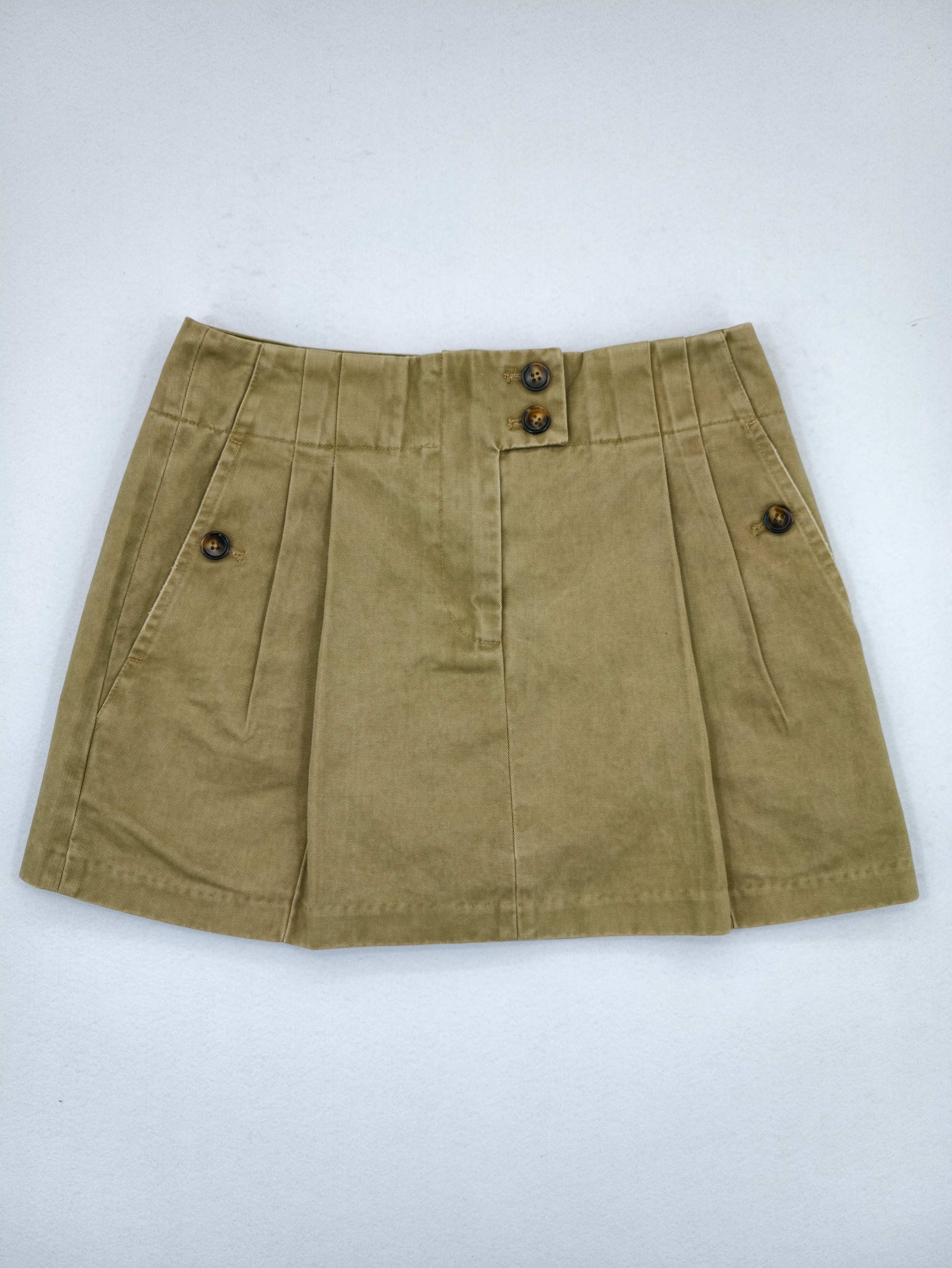
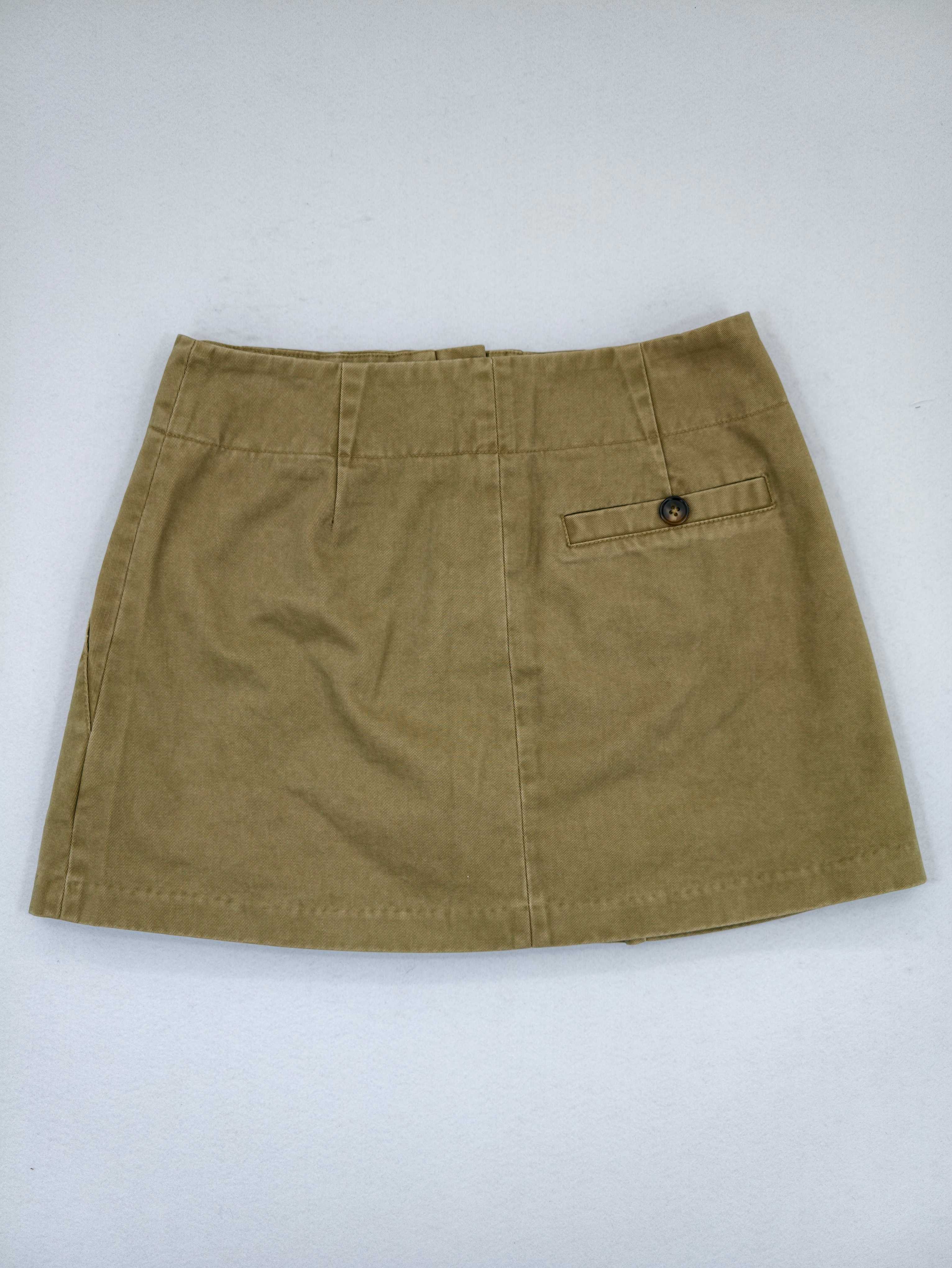
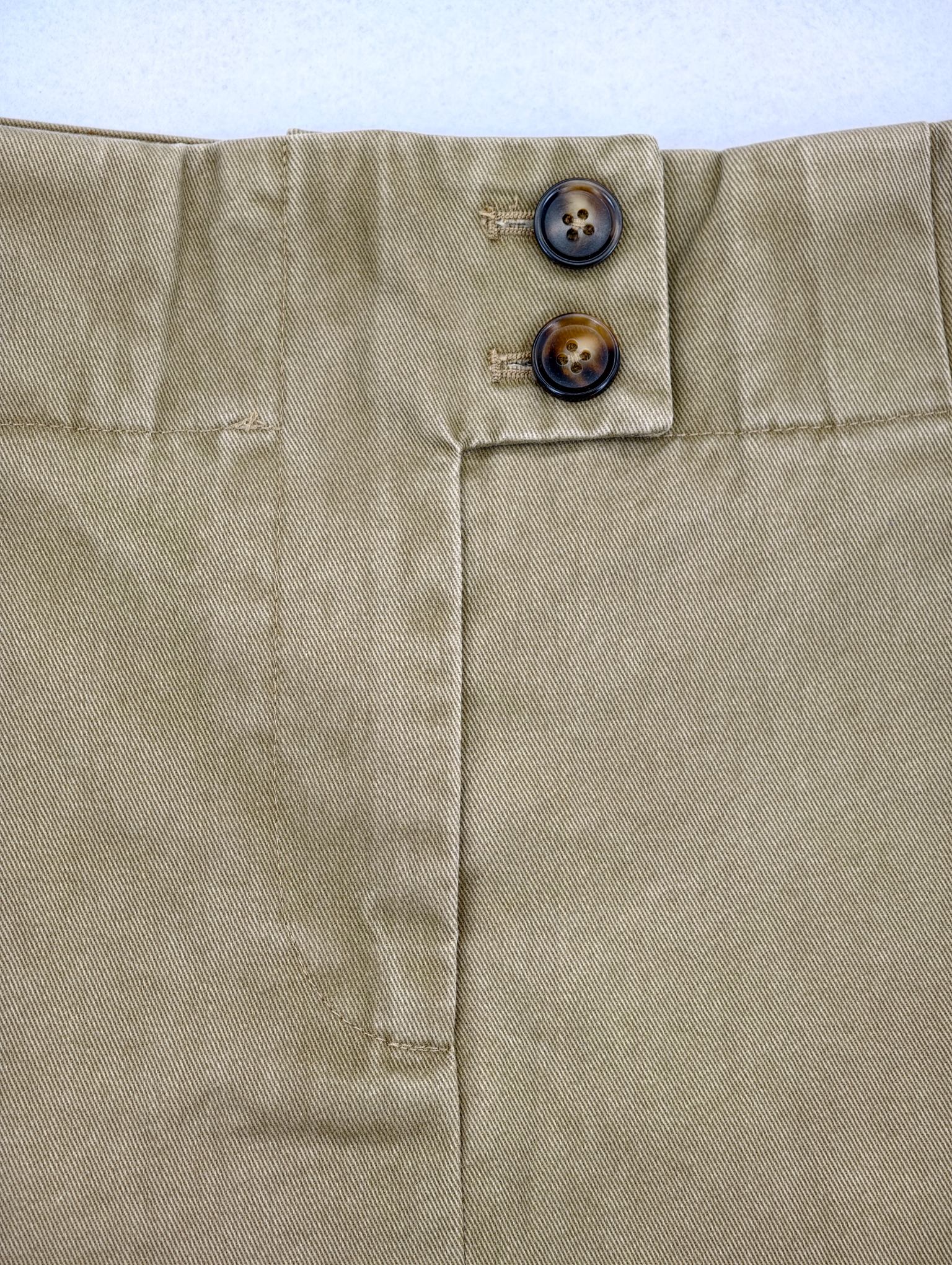
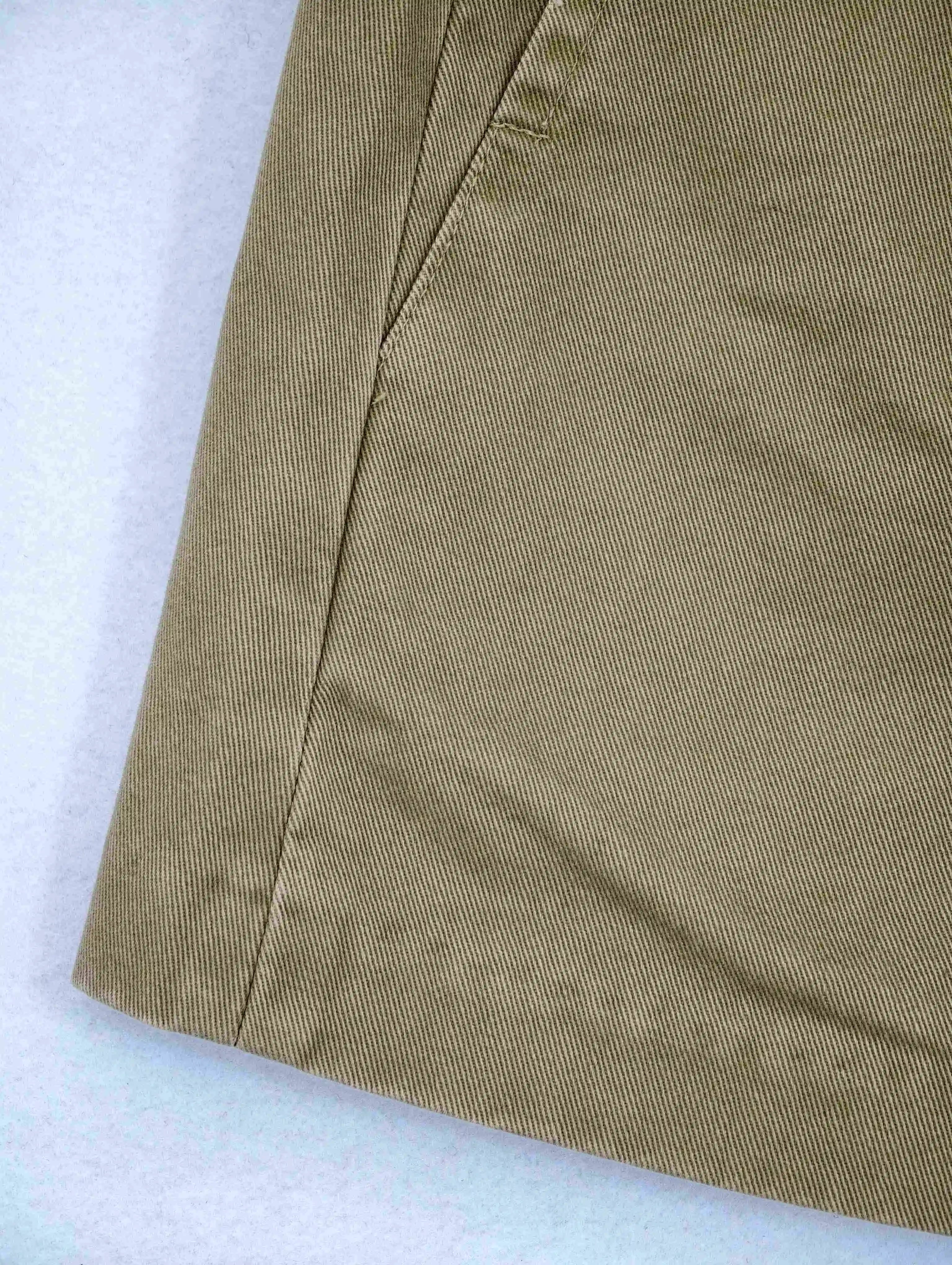
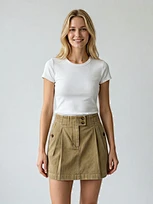
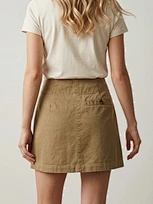
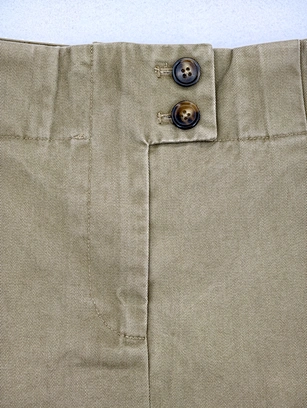
This high-waist pleated cotton mini skirt combines a structured waistband with front pleats, a concealed fly area and utility-inspired button details. The warm khaki tone gives the style an easy casual direction, while the short A-line silhouette balances a fitted waist with comfortable movement through the hip. It works well for lifestyle, resort, campus-inspired and contemporary casualwear collections.
| Main composition | 100% cotton |
|---|---|
| Fabric weight | To be confirmed during fabric approval |
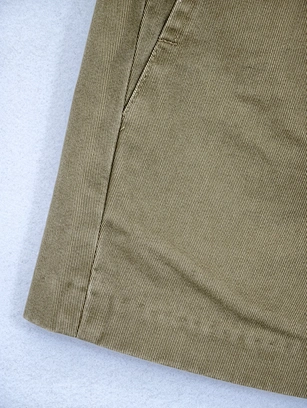
| Fabric appearance | Structured khaki cotton woven fabric |
| Fit direction | High-waist short A-line silhouette |
| Key details | Front pleats, buttoned waistband tab, utility buttons and clean hem |
100% Cotton Fabric for Structured Casual Skirts
Natural Handfeel with Shape Support
Cotton provides a familiar handfeel, breathability and a clean surface suitable for everyday skirts. Final stiffness, drape and crease behavior depend on the selected weave and weight. Fabric approval should therefore confirm whether the skirt needs a softer garment-washed finish or a crisper structured appearance.
Confirming Weight Before Pattern Release
The fabric weight has not been provided. It should be confirmed before finalizing pleat depth, waistband reinforcement and hem turn-up. A lighter quality may collapse through the pleats, while a heavier cotton will create a firmer A-line shape.
High Waistband and Buttoned Front Construction
The waistband should sit flat without gaping, rolling or creating pressure at the top edge. Button position, overlap width and waistband extension require on-body approval. Internal reinforcement may be needed to prevent distortion around the buttonholes and concealed front opening.
Front Pleats and Hip-Volume Control
Keeping Pleats Symmetrical
The front pleats create the main volume and visual direction of the skirt. Pleat depth, fold direction and placement should match on both sides. Uneven pressing or stitching may cause one side to open more than the other.
Preventing Excess Bulk at the Waist
Pleats should remain flat at the waistband and release gradually below the upper hip. Fold thickness and seam allowances must be controlled so the front remains clean when worn with fitted tops or tucked-in shirts.
Utility Button Details and Placement Accuracy
Decorative buttons positioned near the waistband and side areas should remain symmetrical and securely attached. Button size, color and finish need to coordinate with the khaki fabric without creating excessive weight. Reinforcement beneath each attachment point helps prevent tearing during wear.
Hem Balance, Shrinkage and Colorfastness
The short hemline must remain level at the front, sides and back after washing. Cotton fabric should be tested for shrinkage, colorfastness, seam slippage and dimensional stability. Khaki shades also require lot-to-lot color control, particularly if garment washing or enzyme finishing is added.
OEM Options for Pleated Cotton Mini Skirts
OEM skirt development may include:
- Alternative mini, above-knee or midi finished lengths
- Single pleats, double pleats or clean panel constructions
- Side pockets, welt pockets or utility patch pockets
- Custom buttons, washes, labels and trims
- Custom hangtags and packaging
Buyer FAQs for Cotton Pleated Skirts
What is the fabric weight?
The weight has not been provided and should be confirmed during fabric selection.
Can the skirt be made longer?
Yes. Finished length and hem sweep can be adjusted during pattern development.
Can pockets be added?
Yes. Side-seam, welt or patch pockets can be developed during sampling.
What should be approved before manufacturing?
Confirm fabric weight, waistband fit, pleat symmetry, button placement, shrinkage and finished length.
Confirming Fabric Weight Before Pleat Depth and Waistband Reinforcement Are Released
Review the sample for waist fit, pleat balance, hip volume, button security, hem level and post-wash measurements. For sampling and quotation, provide the quantity, size range, target length, fabric weight, button reference, branding details and technical specifications.