High-Waisted Pintuck Shorts Manufacturing











Fabric, wash, decoration, branding, and sampling — aligned to your program from first
sketch to bulk delivery.
Customization & Development
Product Details
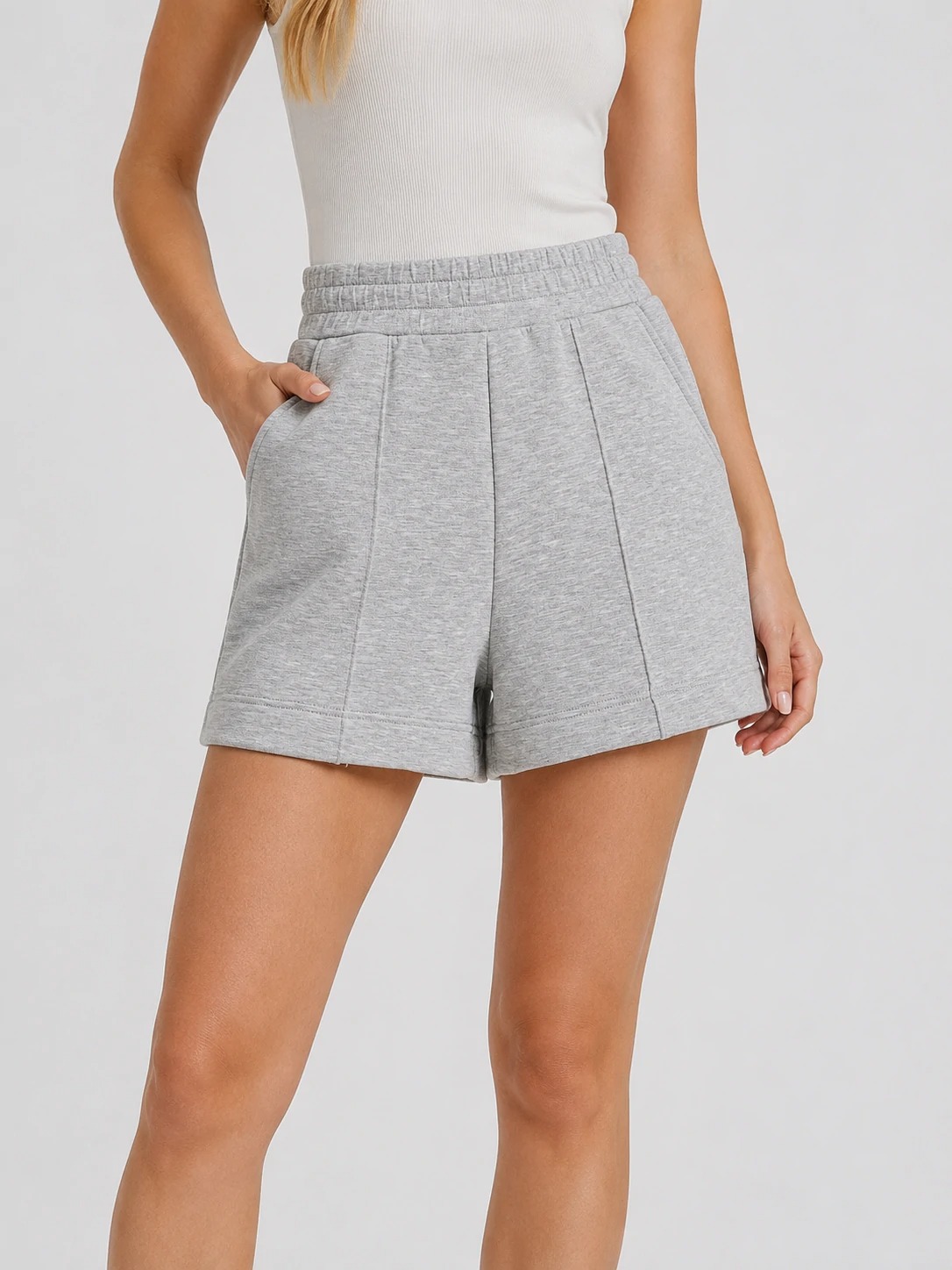
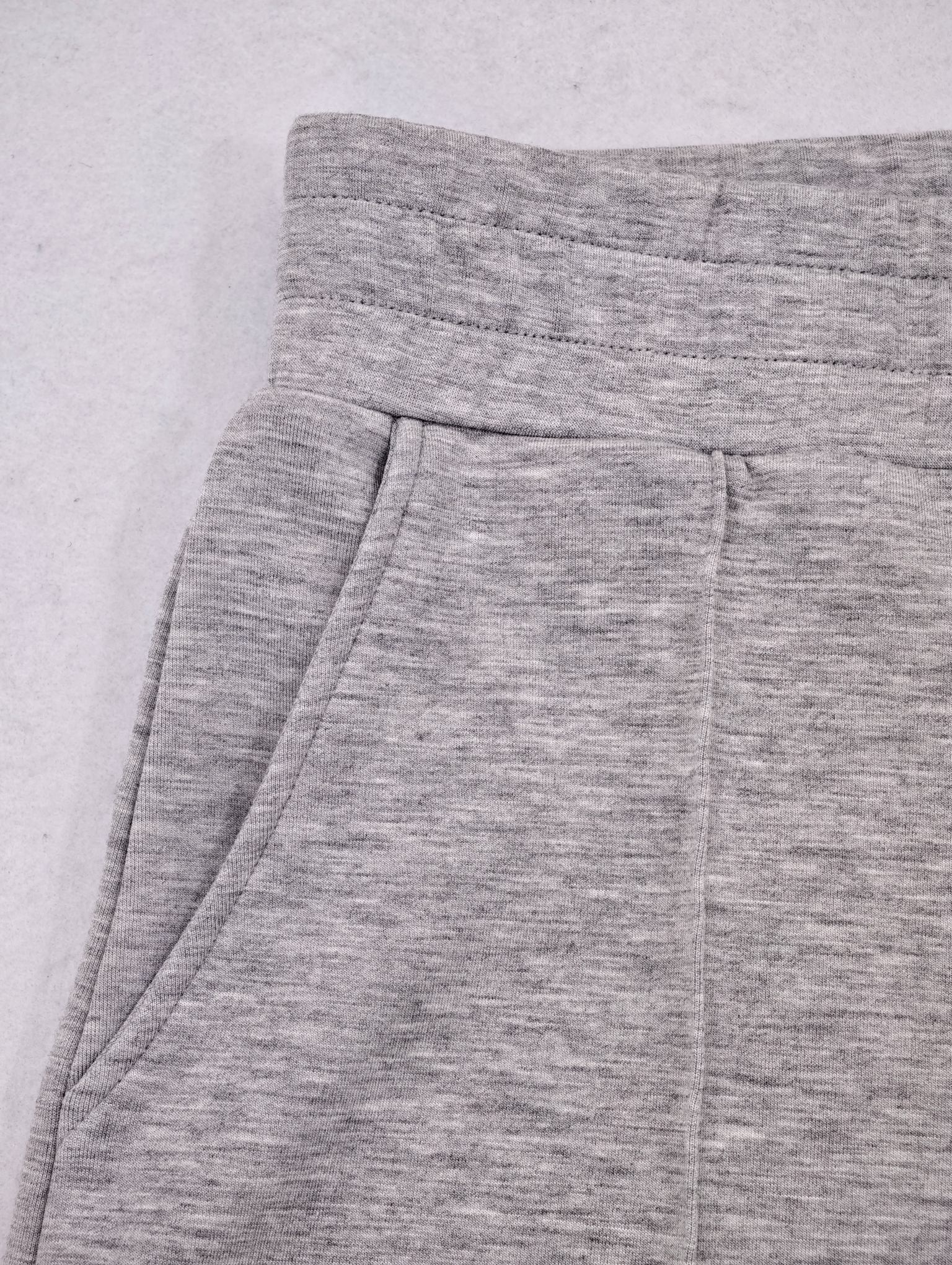
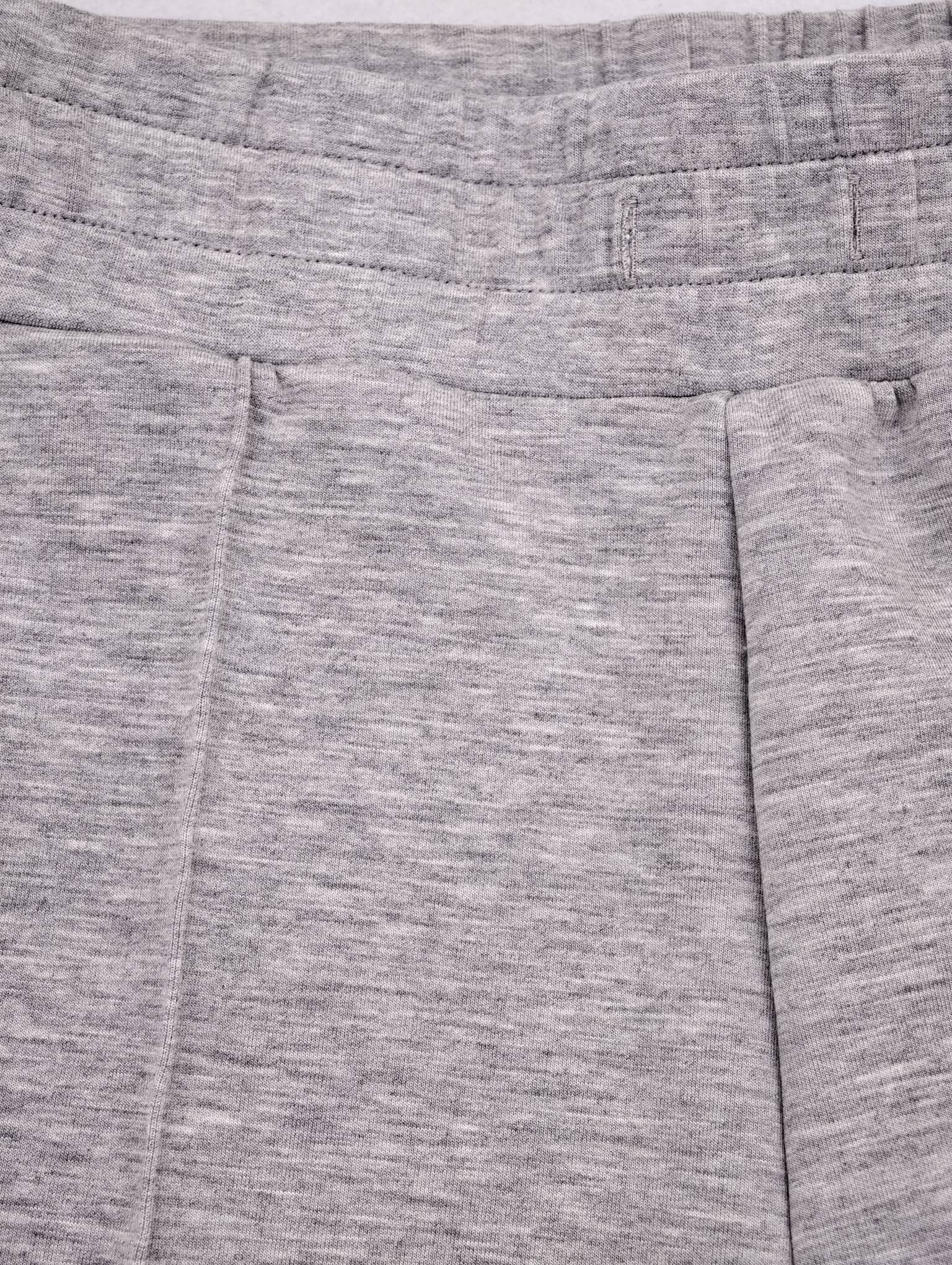
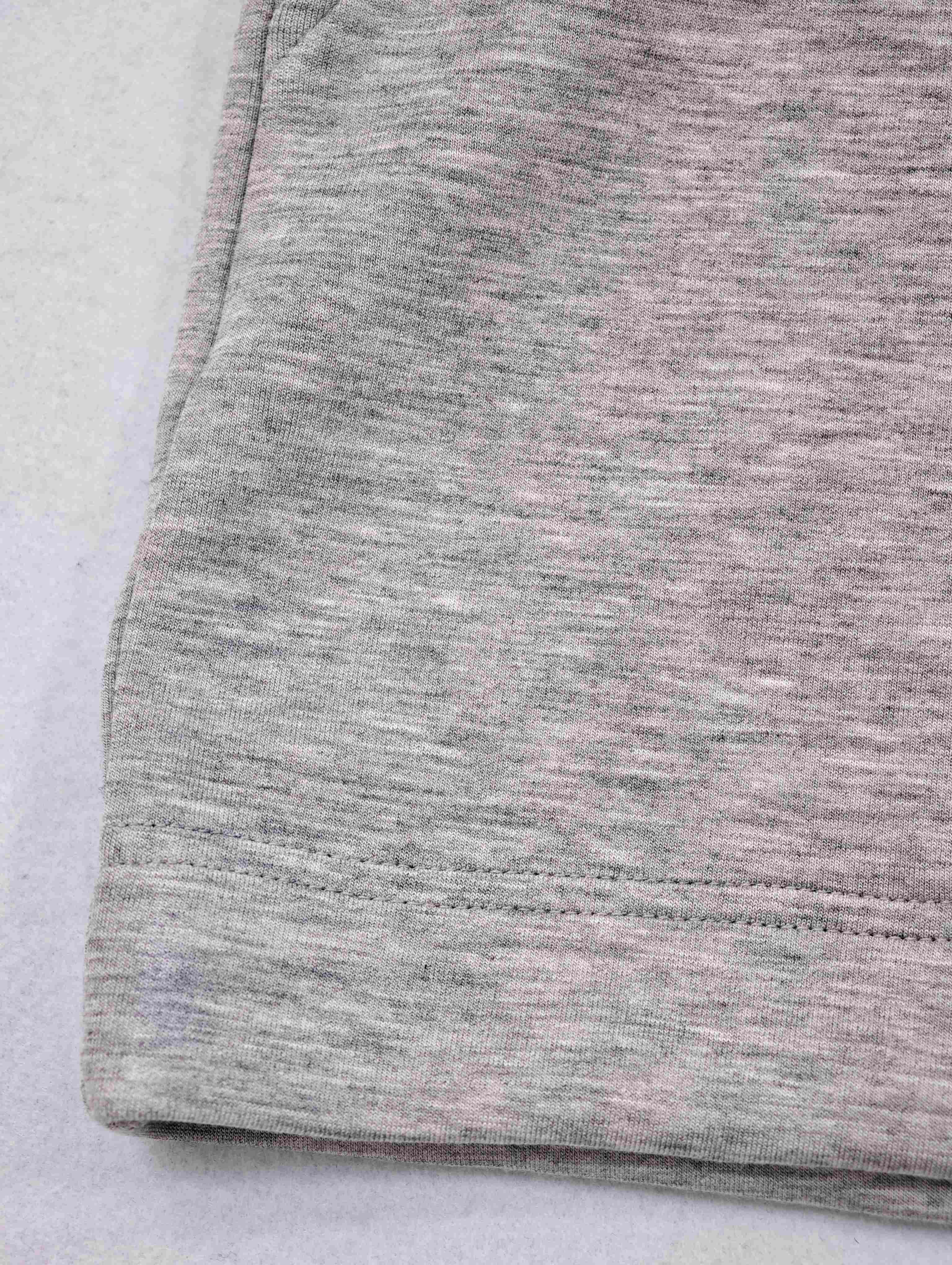
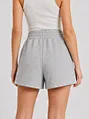
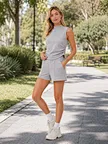
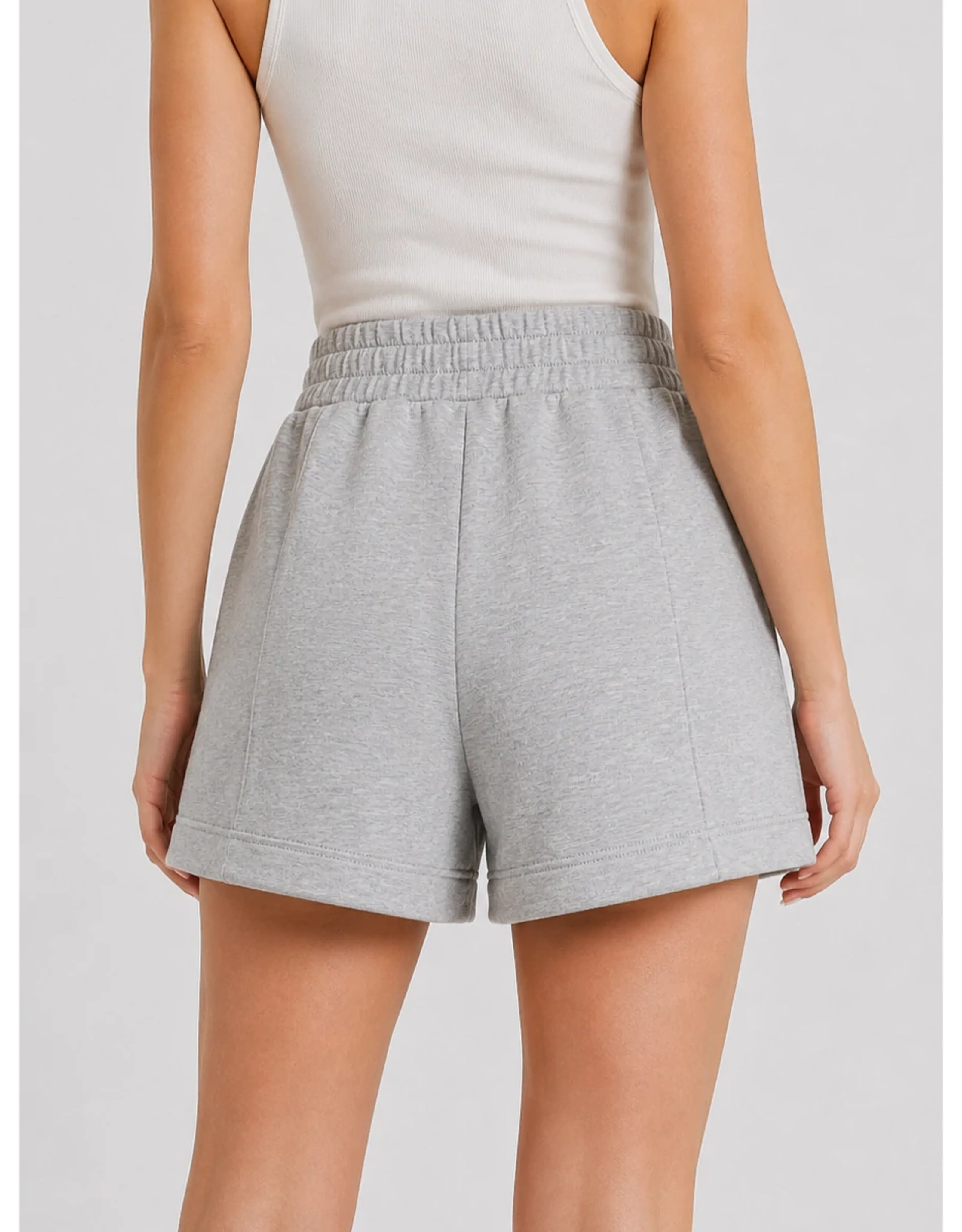
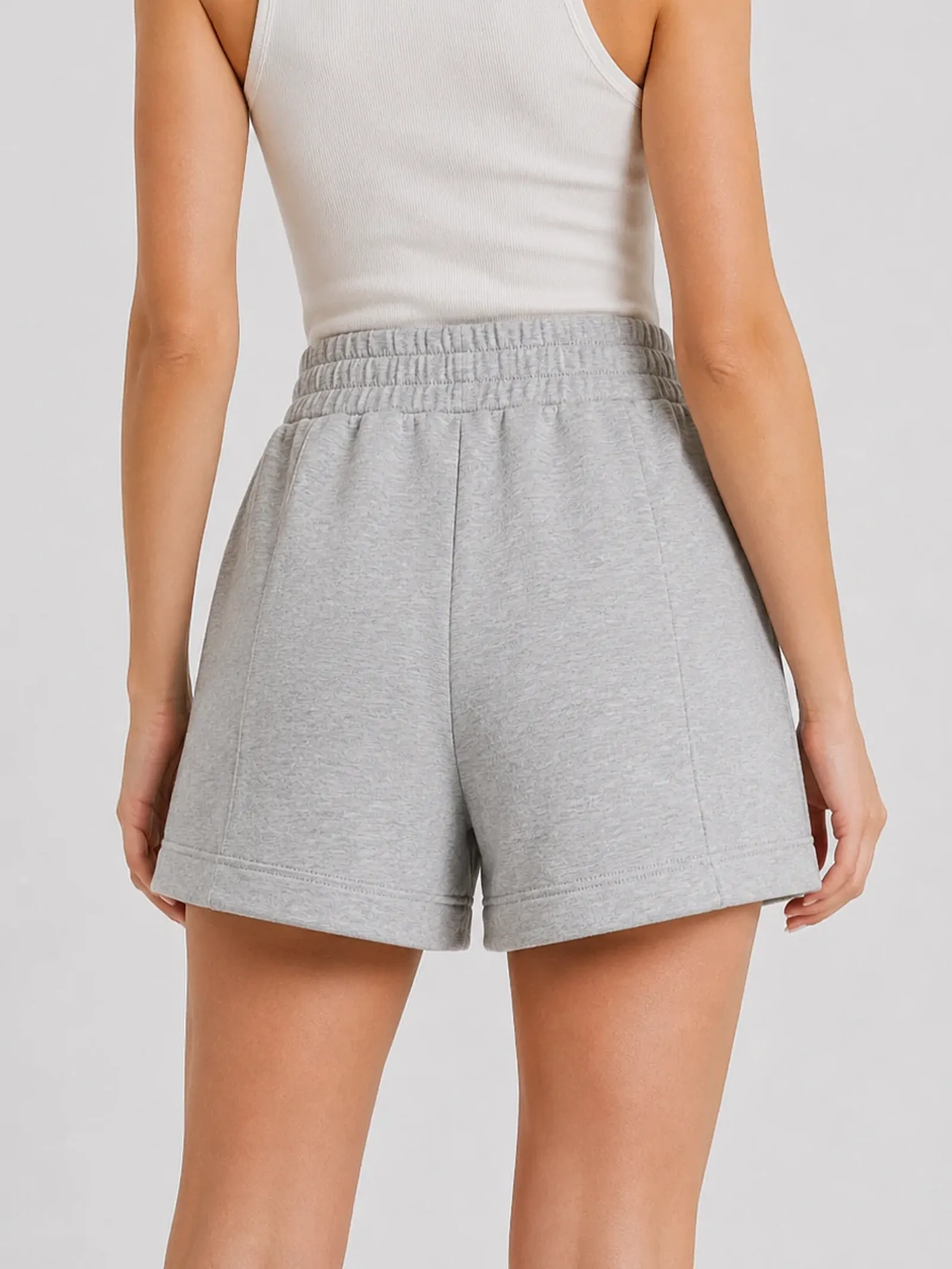
These custom women’s pintuck shorts combine a high-waisted silhouette with a wide elasticated rib waistband, structured front seam details and practical angled pockets. The 330–340 GSM rayon-blend knit gives the shorts a smooth drape while retaining enough body to hold the front lines and slightly flared leg shape. A 380 GSM rib is used at the waistband for stronger recovery and a more secure fit, making the style suitable for elevated loungewear, casualwear and coordinated set collections.
| Main composition | 75% rayon, 23% polyester, 5% spandex — supplied ratio requires confirmation |
|---|---|
| Fabric weight | 330–340 GSM main fabric; 380 GSM rib |
| Fabric structure | Structured rayon-polyester stretch knit with rib waistband |
| Fit direction | High-waisted relaxed silhouette with a slightly flared leg opening |
| Key details | Wide elasticated waistband, front pintuck seams, angled side pockets and clean stitched hems |
330–340 GSM Rayon-Blend Knit with Structured Drape
Rayon Softness and Fluid Surface
Rayon contributes a smoother handfeel and allows the shorts to fall naturally through the hip and leg opening. Although the fabric has substantial weight, the rayon content helps reduce excessive stiffness and gives the silhouette a cleaner, more refined appearance than conventional heavy sweatshirt shorts.
Polyester Support and Spandex Recovery
Polyester helps maintain body and dimensional stability, while spandex provides flexibility through the waist, seat and leg opening. Fabric recovery, shrinkage and finished measurements should be checked after relaxation and washing so the shorts retain their approved width and length during repeat production.
380 GSM Rib Waistband and Elastic Recovery
The waistband uses a heavier 380 GSM rib to provide stronger structure around the waist. The rib, elastic and main fabric should be tested together because each material may stretch and recover differently. The finished waistband should sit securely without rolling, collapsing or creating excessive gathering through the upper hip.
Controlling Waistband Height and Stitching
Multiple rows of waistband stitching help distribute elastic tension and create a stable high-rise profile. Stitch spacing, elastic width and waistband height should remain consistent across sizes. Uneven tension can cause the top edge to wave or create irregular gathering around the body.
Front Pintuck Seams and Vertical Line Balance
The front pintuck details create long vertical lines that give the shorts a more tailored appearance. Each line should remain straight from the waistband toward the hem without twisting or shifting toward the side seam. Stitch width, seam tension and placement must be confirmed before grading because small differences become visible across the front body.
Angled Side Pockets and Hip Shape
Keeping Pocket Openings Flat
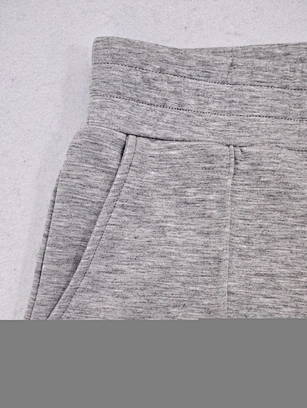
The angled side pockets should provide comfortable access while remaining close to the hip. Pocket opening length, reinforcement and sewing tension need to be balanced so the edge does not stretch outward or interrupt the structured front silhouette.
Managing Pocket Bag Bulk
Pocket bag depth and fabric selection affect how smoothly the shorts sit through the hip. Excessively heavy pocket bags may create visible ridges, while insufficient depth can reduce functionality. Both pocket positions should remain symmetrical after sewing and laundering.
Relaxed Leg Opening and Hem Stability
The leg shape opens slightly from the hip, creating room for movement without becoming excessively wide. Hem circumference, inseam length and front-to-back balance should be reviewed on body. The stitched hem must remain flat and level without flaring, twisting or tunneling after washing.
Heather Grey Color and Coordinated Set Use
The heather grey surface supports minimal casualwear, travel and loungewear collections. These shorts can be coordinated with sweatshirts, zip jackets, fitted tops or structured knit pullovers using the same main fabric and rib direction. Shade, texture and stretch performance should be aligned across all matching pieces.
OEM Options for Structured Pintuck Shorts
Private label women’s shorts development may include:
- Alternative rayon blends, fabric weights and surface finishes
- Custom rib qualities, waistband heights and elastic widths
- Changes to rise, hip width, inseam and leg opening
- Pintuck, pleat, panel seam or plain-front constructions
- Alternative pocket shapes, logo embroidery or label applications
- Matching tops, hangtags, care labels and branded packaging
Buyer FAQs for Rayon-Blend Pintuck Shorts
Why is the rib heavier than the main fabric?
The 380 GSM rib provides additional recovery and structure at the waistband, helping the high-rise shape remain secure during wear.
Can the pintuck lines be removed or repositioned?
Yes. The front can be developed with pintucks, pressed pleats, panel seams or a cleaner plain construction according to the design direction.
Can the fit be made wider or more fitted?
Yes. Rise, hip width, thigh width, inseam and leg opening can be revised during pattern and sample development.
What should be confirmed before manufacturing?
Confirm the final fabric composition, main and rib handfeel, waistband recovery, pintuck alignment, pocket position, hem level, shrinkage and post-wash measurements.
Confirming Rib Recovery Before Pintuck Placement and Bulk Measurements Are Released
Review the sample for waistband comfort, rib recovery, front-line alignment, pocket opening, hip balance, leg width and finished hem level. For sampling and quotation, provide the confirmed fabric composition, target quantity, size range, preferred rise, inseam, color standard, branding details and any available technical files.