


ODM Modal-Cotton Stretch Contour-Seam Scoop-Neck Tank Top











Fabric, wash, decoration, branding, and sampling — aligned to your program from first
sketch to bulk delivery.
Customization & Development
Product Details
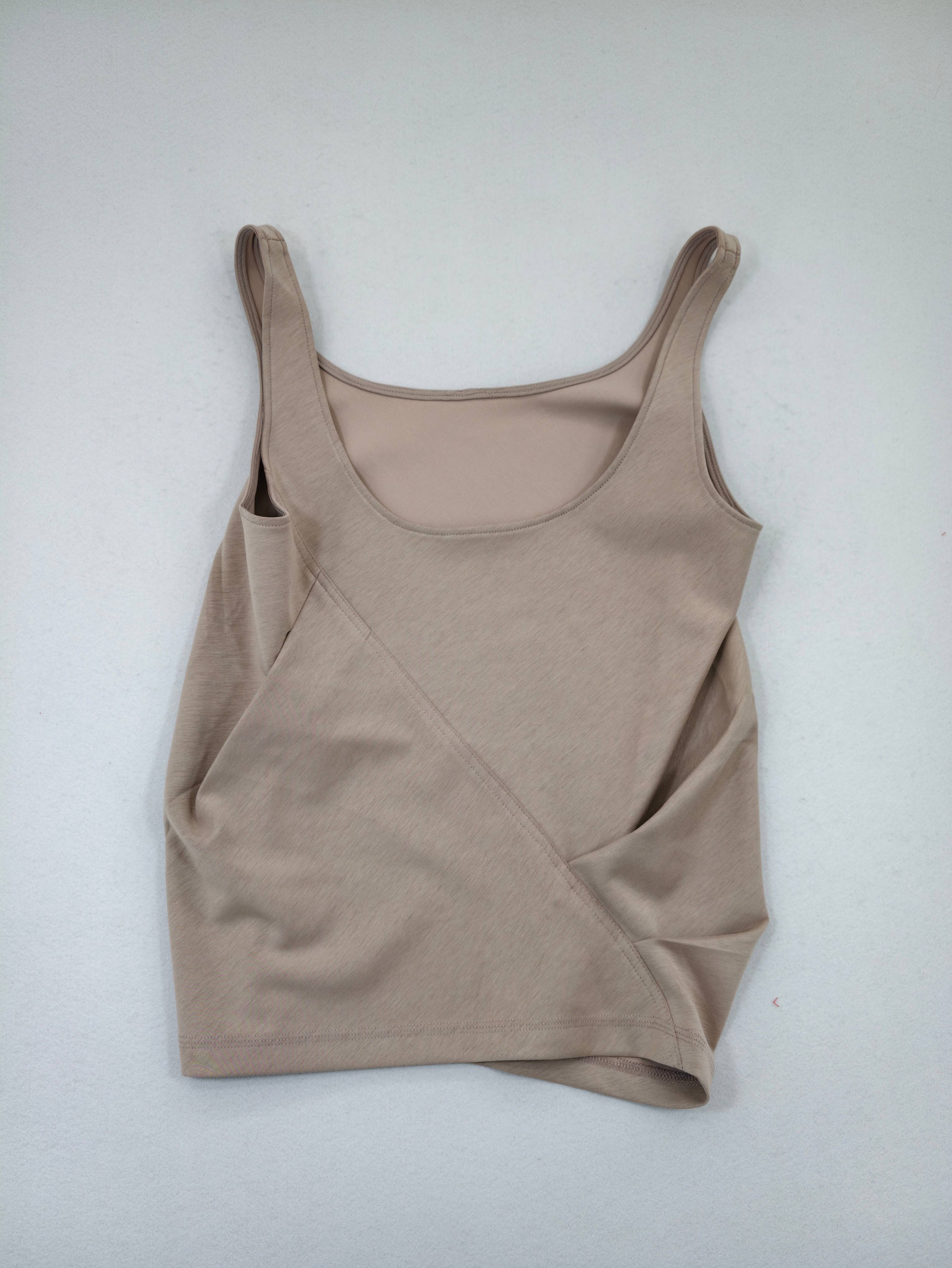
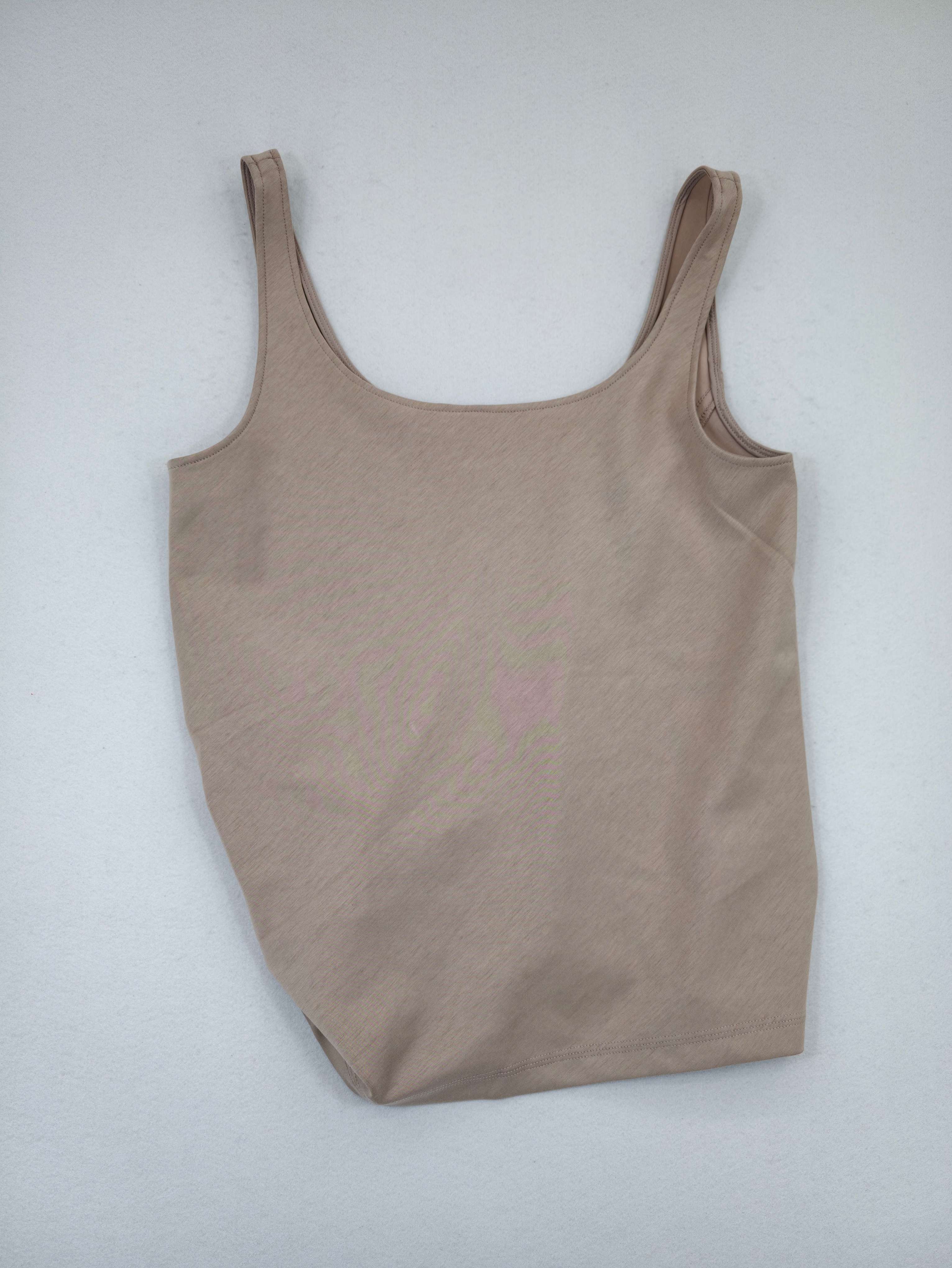
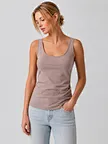
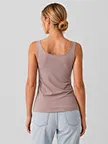
This modal-cotton stretch scoop-neck tank top combines a fitted silhouette with wide shoulder straps, a softly rounded neckline and a diagonal contour seam across the front body. The dusty mauve tone keeps the design understated, while the asymmetric seam gives a simple layering top more shape and visual direction. It suits lifestyle, casualwear and coordinated basics programs requiring a close fit with comfortable stretch.
| Main composition | 50.1% polyester, 22.7% Modal, 19.4% cotton, 7.8% spandex |
|---|---|
| Fabric standard | Soft stretch knit; final GSM and construction to be confirmed |
| Fit direction | Close regular fit with wide shoulder straps |
| Neckline | Low scoop neck with narrow matching binding |
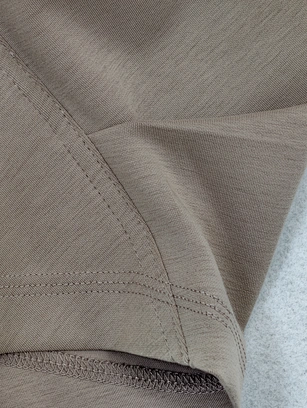
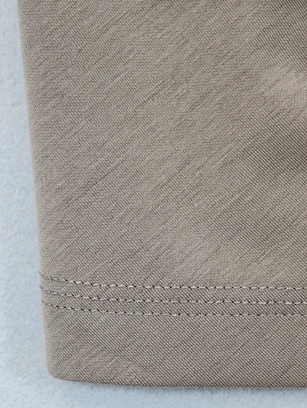
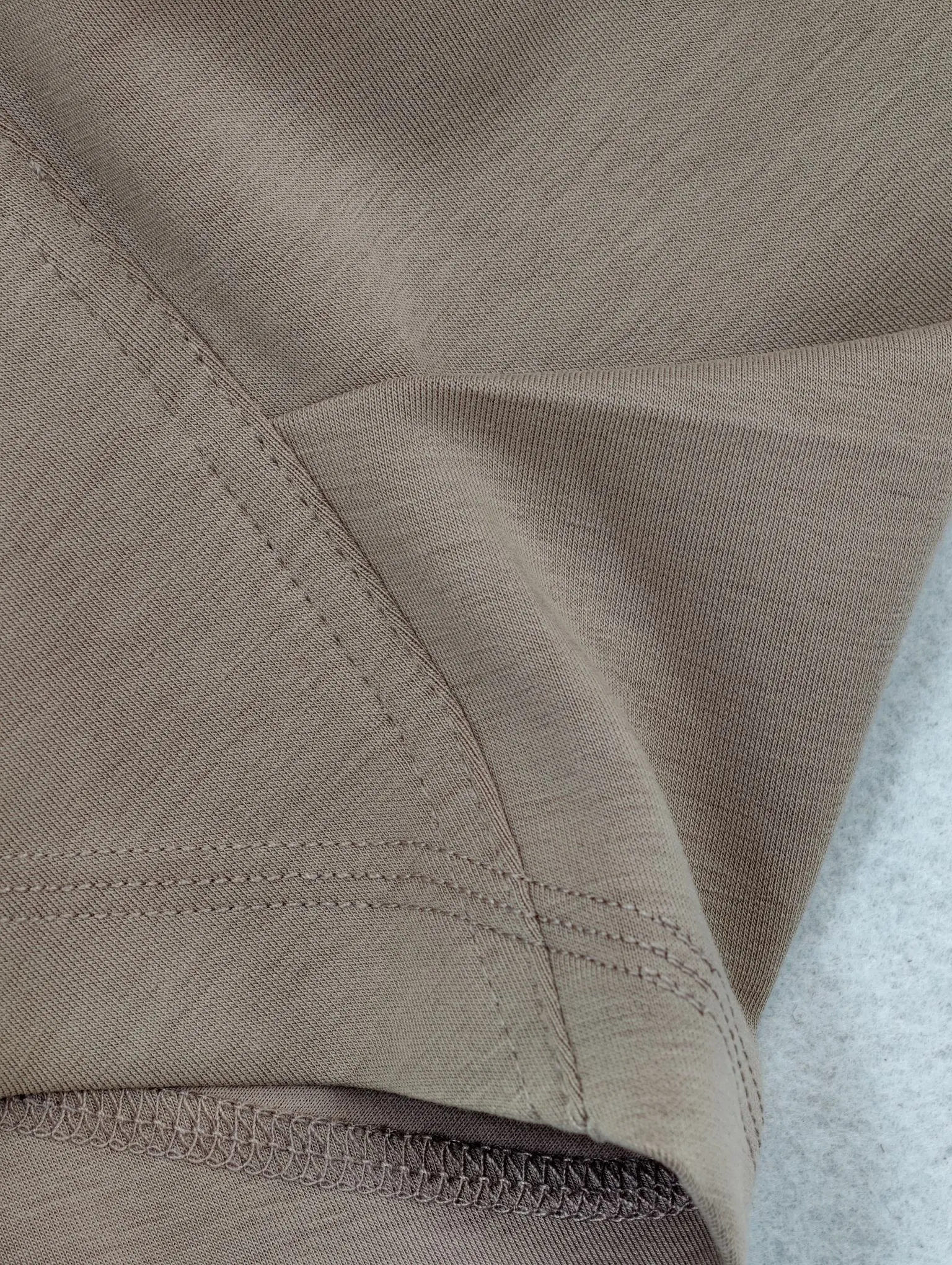
| Construction detail | Diagonal front contour seam with tonal topstitching |
Modal-Cotton Stretch Knit for Softness and Recovery
Comfortable Handfeel with Better Shape Retention
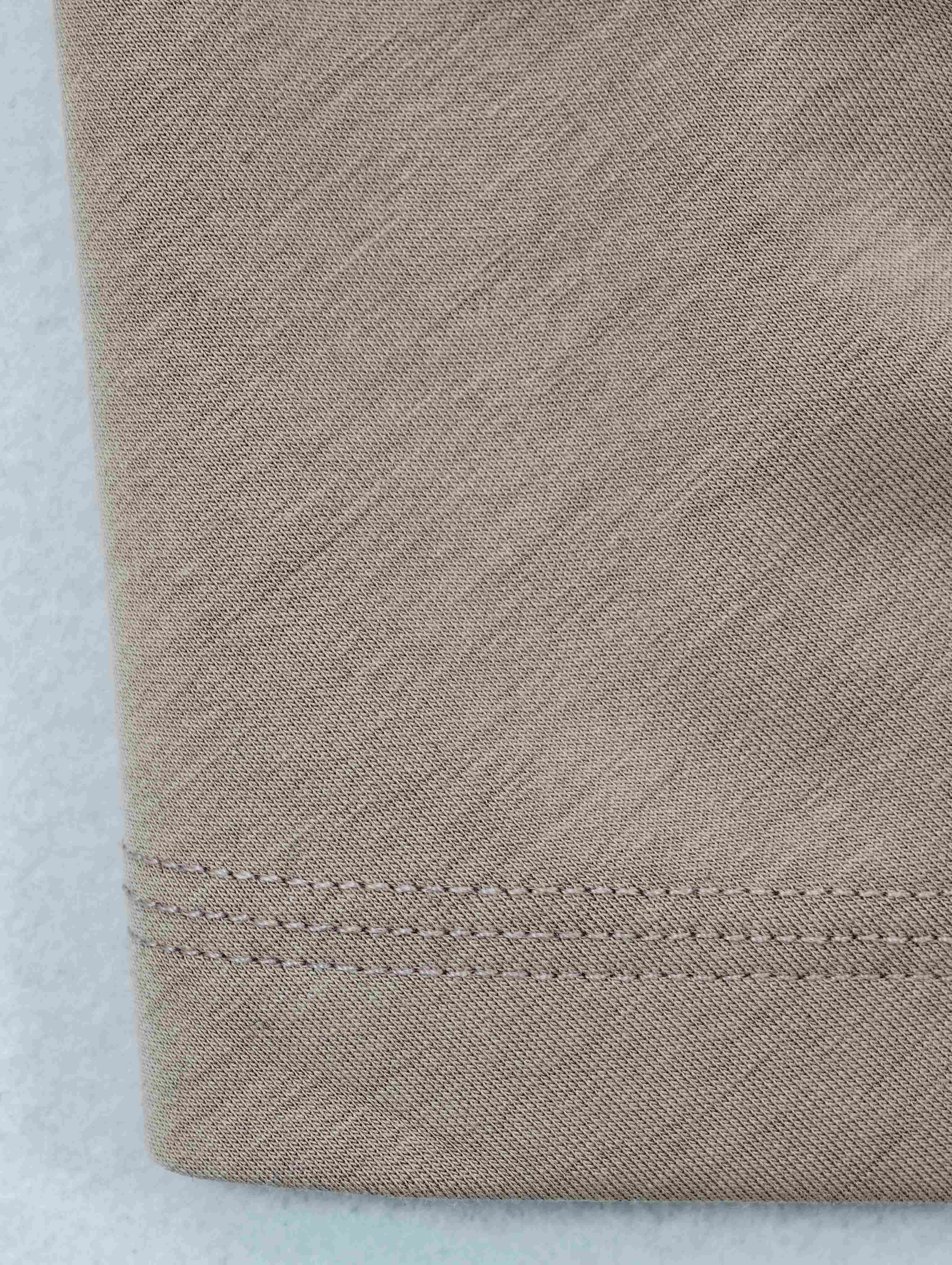
Modal and cotton help soften the fabric and improve comfort against the skin, while polyester supports dimensional stability and wash performance. The 7.8% spandex content provides substantial stretch for a close body fit and helps the tank recover after movement. GSM, stretch percentage, recovery and opacity should be confirmed before the pattern is finalized.
Controlling Surface Appearance in a Pale Mauve Shade
Light muted colors can reveal density variation, seam impressions and undergarment visibility. Lab dips should be reviewed on the actual fabric, followed by testing for shade continuity, pilling, snagging and color change after washing. The surface should remain smooth around the diagonal seam without visible shine from pressing.
Diagonal Contour Seam and Body-Fit Balance
Keeping the Seam Position Consistent Across Sizes
The diagonal seam begins near the upper side body and finishes toward the opposite lower waist. Its start point, angle and end position should be graded proportionally so the line remains intentional across the size range. Uneven feeding can cause the seam to twist or pull the front panel off balance.
Maintaining Flatness on a High-Stretch Fabric
Tonal topstitching must stretch with the body without thread breakage or seam tunneling. Stitch type, seam allowance and differential feed should be tested on the actual fabric. The finished seam should lie flat both relaxed and worn, without creating a ridge across the torso.
Scoop Neck and Armhole Recovery
The low scoop neckline and wide straps create a clean layering shape, but both edges need accurate binding tension. If the binding is too tight, the opening may ripple; if it is too loose, it can stand away from the body. Armhole depth, strap width and neckline recovery should be approved together.
ODM Options for Contour-Seam Tank Tops
ODM stretch-top development may include:
- Alternative seam angles, panel lines and topstitching directions
- Adjustments to neckline depth, strap width and body length
- Different fitted, regular or relaxed silhouettes
- Solid colors, washed tones or subtle textured finishes
- Heat-transfer labels, hangtags and customized packaging
Buyer FAQs for Stretch Scoop-Neck Tanks
Is 7.8% spandex suitable for a close fit?
Yes, provided the fabric recovery and stretch direction meet the approved standard.
Can the diagonal seam be removed?
Yes. The style can be simplified into a clean scoop-neck tank or redeveloped with another panel direction.
Will the neckline stretch out after wear?
It should not when binding length, fabric recovery and sewing tension are correctly controlled.
What should be confirmed before manufacturing?
Priority checks include GSM, stretch recovery, opacity, seam angle, neckline stability, armhole fit and finished measurements.
Approving the Seam Angle Before the Stretch Grade Is Released
Review the approved sample for contour-seam position, neckline recovery, strap width, armhole fit, opacity and post-wash dimensions. For sampling and quotation, provide the target quantity, size range, fabric standard, preferred seam direction, branding details and technical files.