
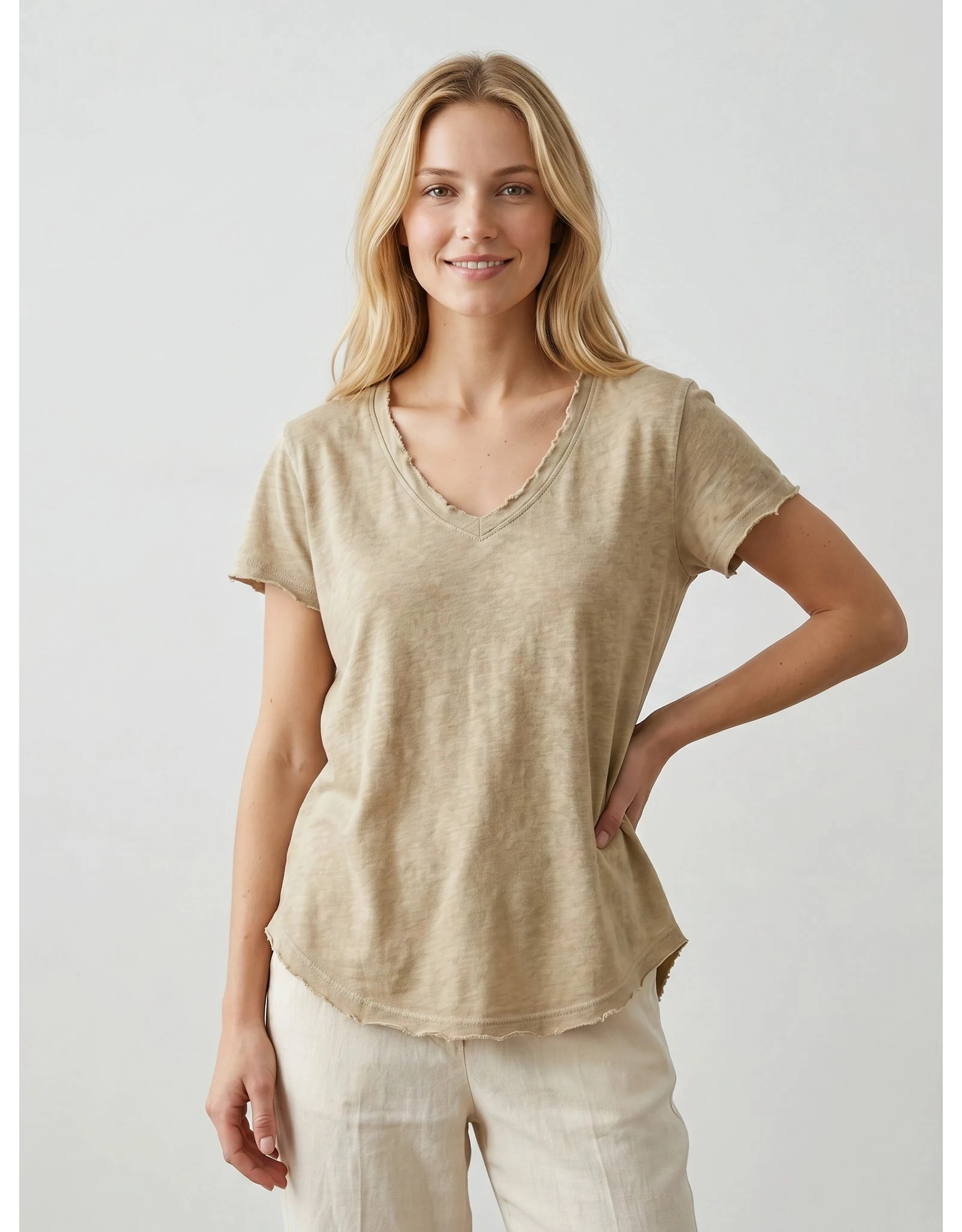
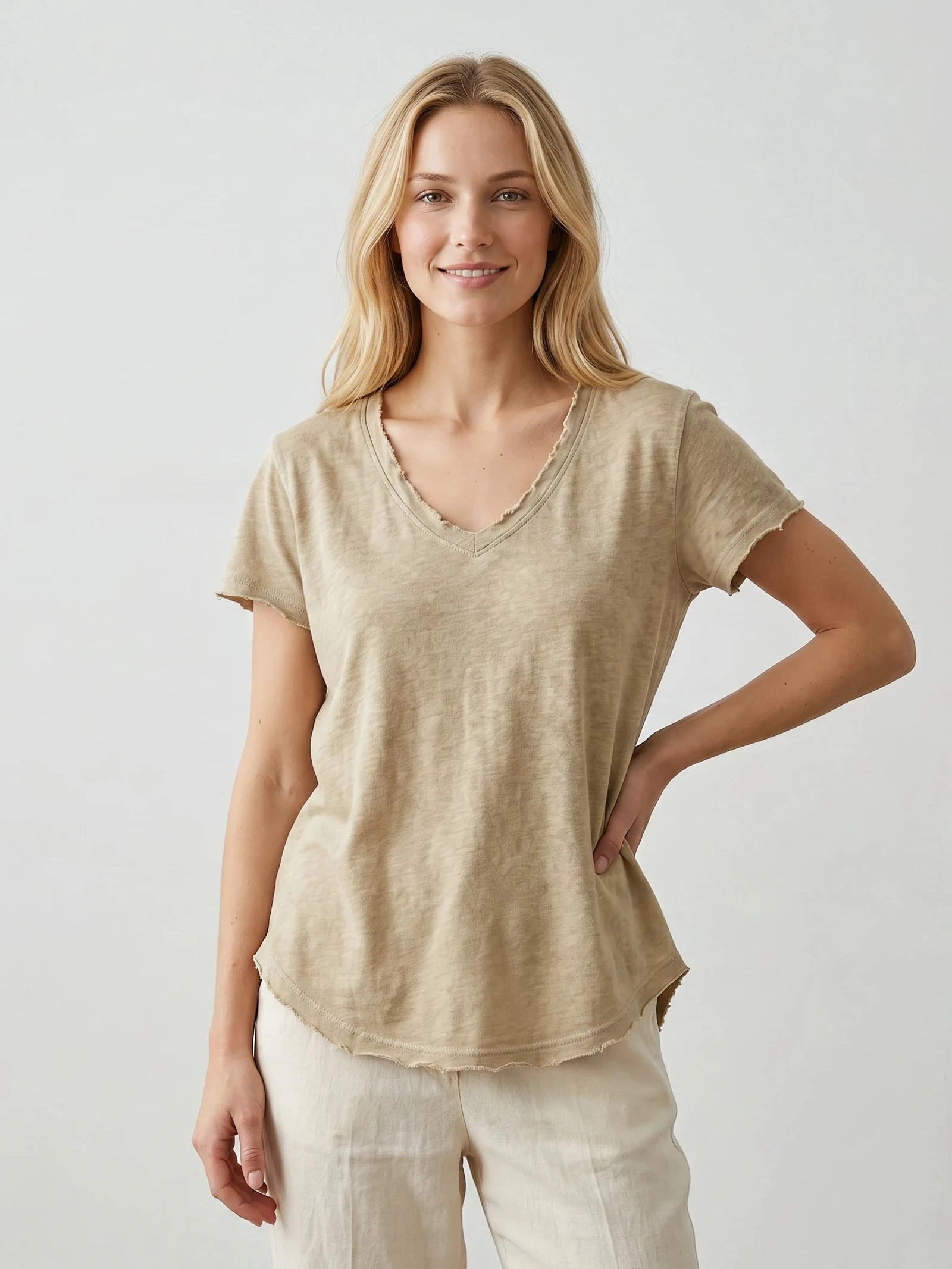
OEM Cotton-Linen Slub Raw-Edge Relaxed V-Neck Tee










Fabric, wash, decoration, branding, and sampling — aligned to your program from first
sketch to bulk delivery.
Customization & Development
Product Details
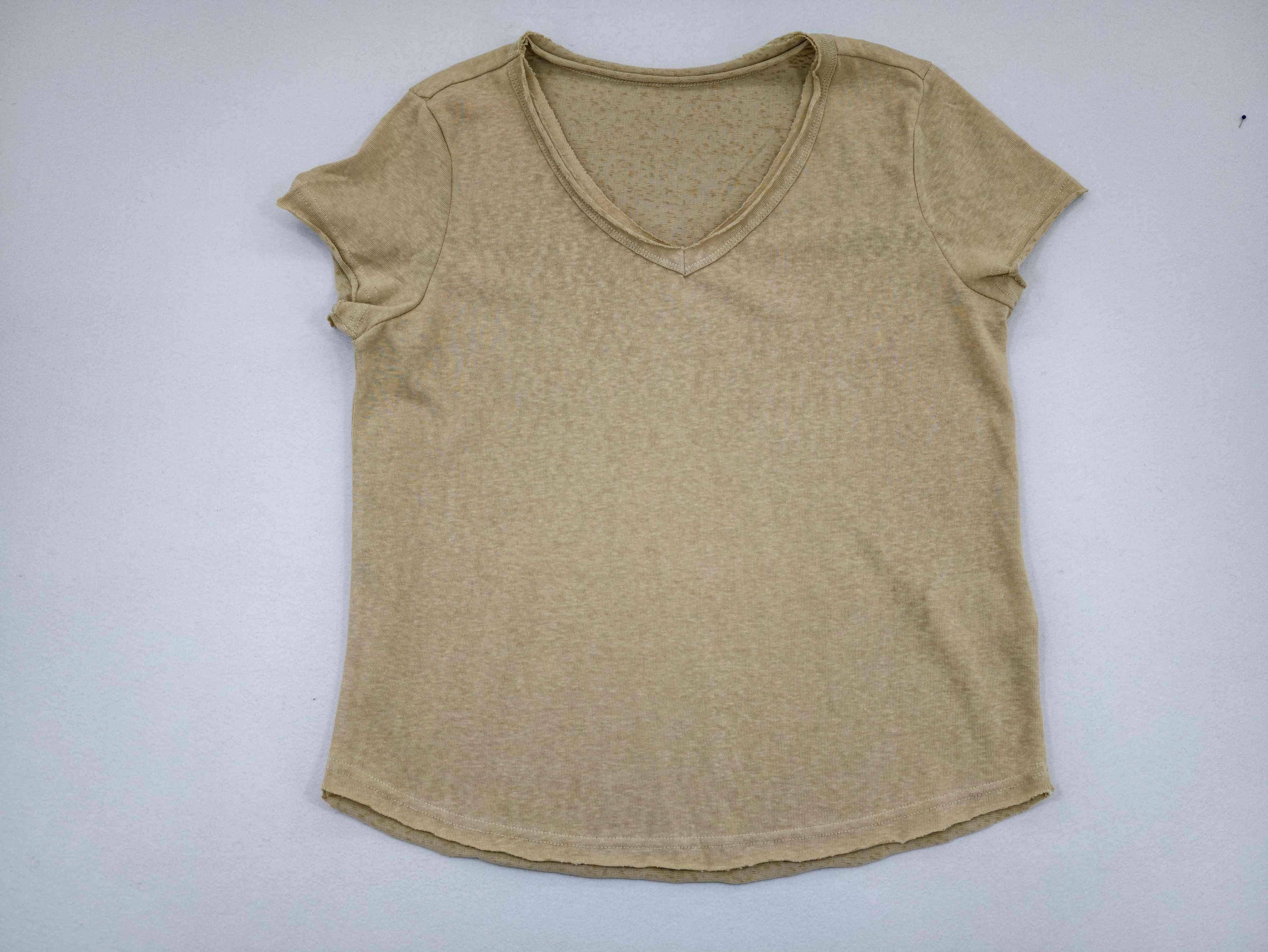
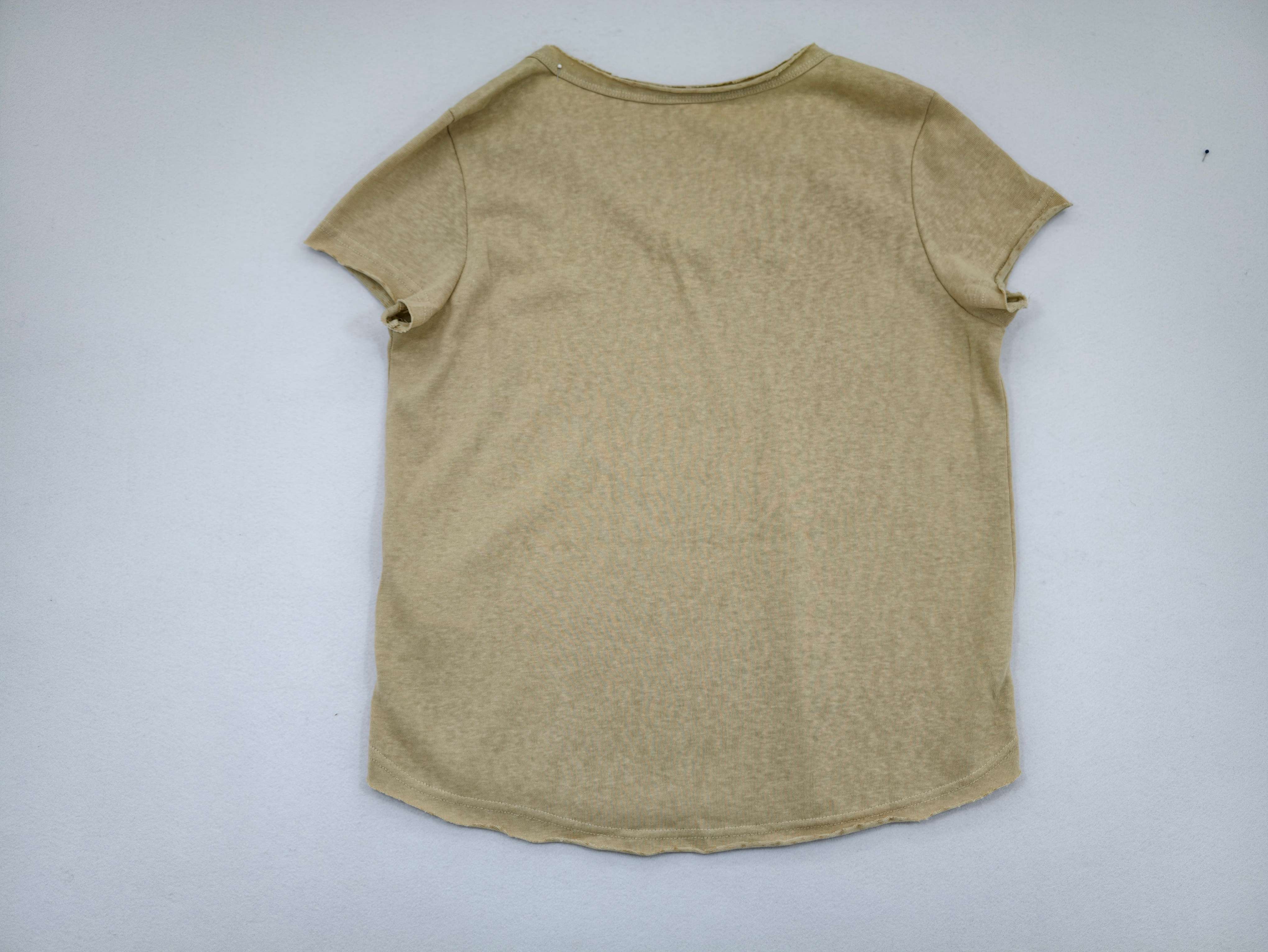
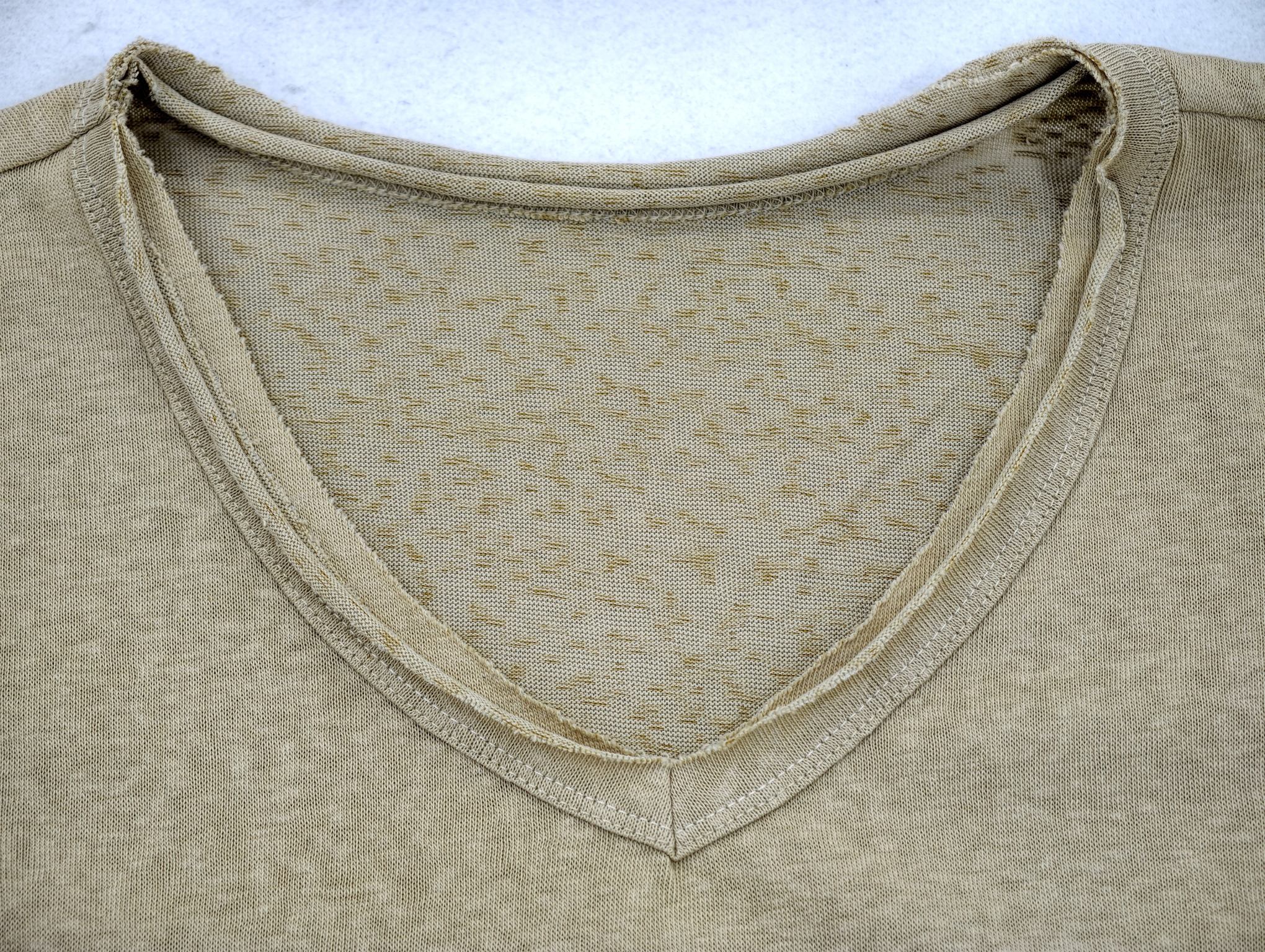
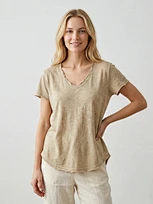
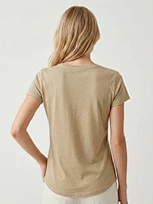
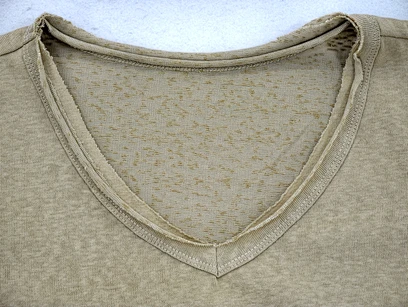
This beige cotton-linen slub V-neck tee uses a relaxed body, softly curved hem and controlled raw edges to create an easy resort-inspired silhouette. The pale sand tone emphasizes the natural slub variation, while the loose fit allows the fabric to fall away from the body without appearing oversized. Double-layer neckline construction gives the V shape more definition and keeps the unfinished detailing intentional.
| Main fabric | 180 GSM slub jersey: 60% cotton, 30% polyester, 10% linen |
|---|---|
| Fit direction | Relaxed body with gentle A-line drape and curved hem |
| Neckline | Layered V-neck binding with a softly frayed outer edge |
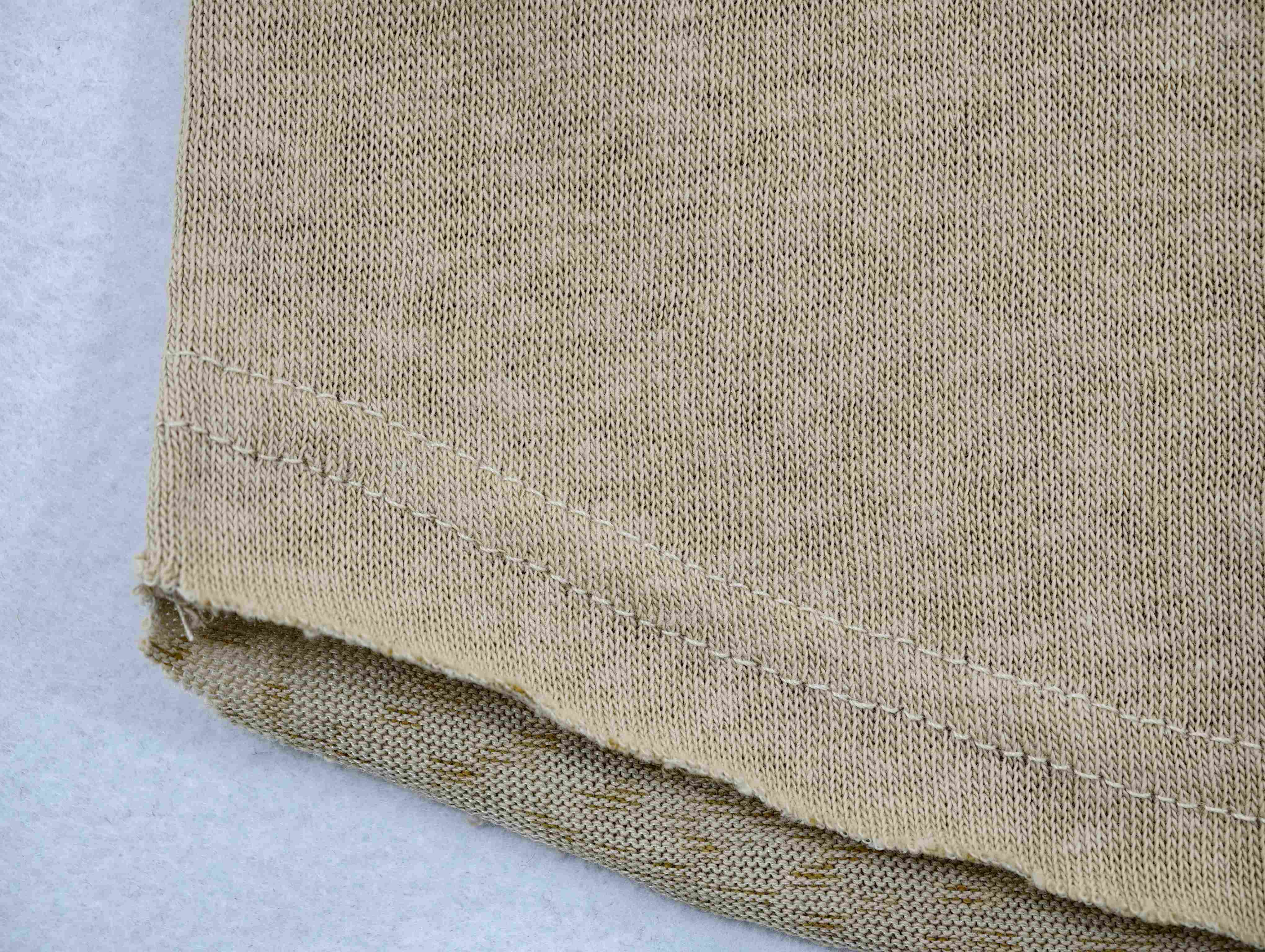
| Sleeve finish | Short sleeves with controlled raw-edge detailing |
| Collection use | Resortwear, lifestyle, natural casualwear and summer layering |
A Cotton-Linen Jersey Developed for Natural Drape
Dry Linen Character Balanced by Cotton Softness
Cotton keeps the fabric comfortable against the skin, while linen introduces a drier touch and visible yarn variation. Polyester supports dimensional stability so the relaxed silhouette does not lose shape too quickly. At 180 GSM, the jersey offers light coverage suitable for warm-weather tops without becoming overly transparent.
Approving Slub Distribution in Pale Colors
Light shades make thick-and-thin yarn areas more visible. Fabric inspection should therefore confirm that slub variation is distributed naturally across the garment rather than forming unwanted horizontal bars or isolated dense patches. Opacity, shrinkage, spirality and color consistency should also be checked before cutting.
Constructing a Soft V-Neck with Deliberate Fraying
Maintaining the Neckline Shape
The layered binding gives the V-neck more depth, but both edges must remain symmetrical. Binding length, center-point reinforcement and seam tension should be approved on the actual fabric. Excessive tension can pull the V point upward, while insufficient recovery may cause the neckline to spread.
Controlling Raw Edges at Sleeves and Hem
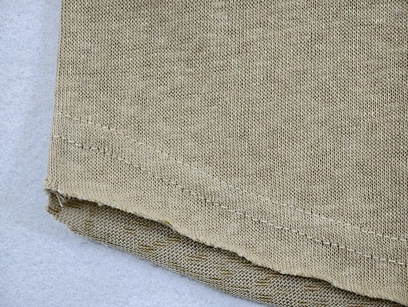
The frayed finish should remain soft and consistent after washing. A holding stitch near the cut edge can limit excessive unraveling without removing the unfinished appearance. Sleeve openings and the curved hem should show comparable fray depth across all sizes.
Positioned for Resort and Natural Lifestyle Collections
The warm neutral color pairs easily with linen trousers, shorts, lightweight denim and relaxed skirts. Its natural texture and soft raw edges suit resort capsules, coastal lifestyle ranges and understated casual collections. The loose body can also work as a layering piece over fitted tanks or swimwear.
Private Label Options for Natural Slub Tees
Private label V-neck development may include:
- Alternative sand, mineral and washed neutral colors
- Adjustments to neckline depth, body sweep and hem curve
- Clean, rolled or controlled raw-edge finishes
- Tonal embroidery, small graphics or garment washing
- Neck labels, hangtags and customized packaging
Buyer FAQs for Cotton-Linen Raw-Edge Tees
Will the pale fabric require opacity approval?
Yes. Opacity should be checked under normal lighting and with the intended undergarment color before bulk confirmation.
Can the neckline be made less deep?
Yes. Neck depth, shoulder width and binding length can be adjusted during sampling while retaining the layered construction.
How is excessive fraying prevented?
A stabilizing stitch and controlled seam allowance can limit unraveling while preserving the natural raw-edge effect.
Which bulk checks are most important?
Priority checks include V-point symmetry, slub distribution, opacity, raw-edge stability, shrinkage, spirality and finished measurements.
Confirming the Hem Curve Before Raw-Edge Tolerances Are Set
Review the approved sample for neckline depth, V-point balance, body sweep, hem curvature, fray consistency and post-wash dimensions. For sampling and quotation, provide the target quantity, size range, color references, preferred raw-edge finish, branding details and technical files.