Printed Flare Leggings Factory











Fabric, wash, decoration, branding, and sampling — aligned to your program from first
sketch to bulk delivery.
Customization & Development
Product Details
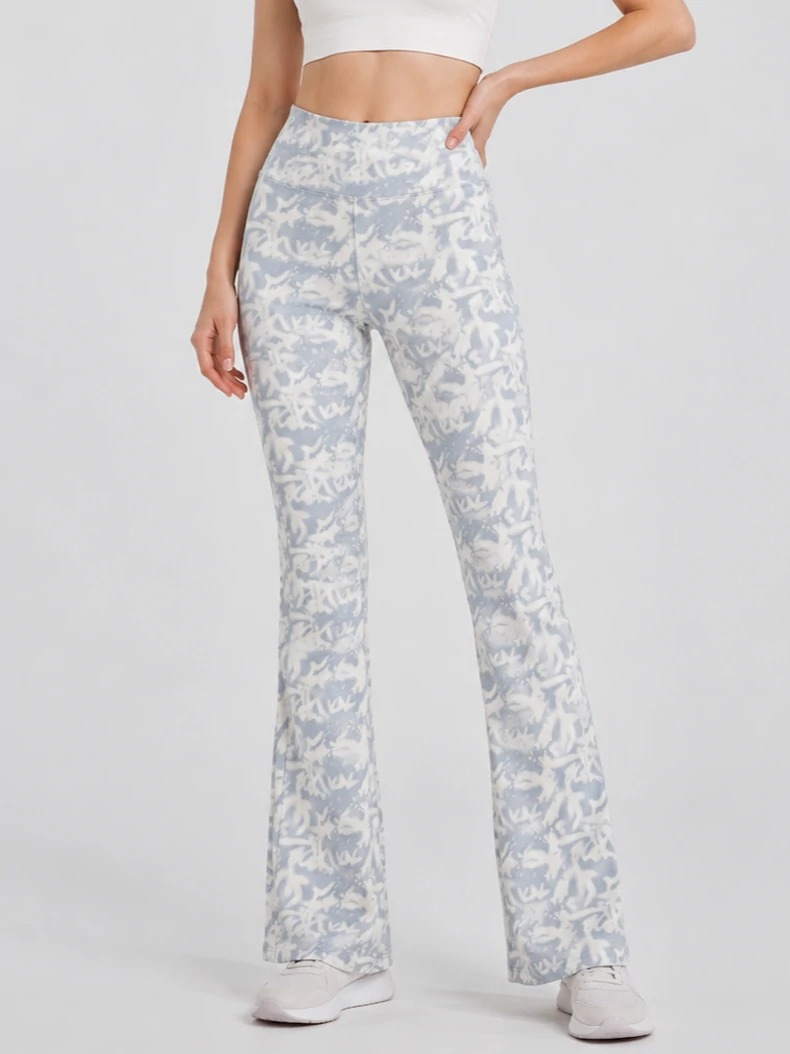
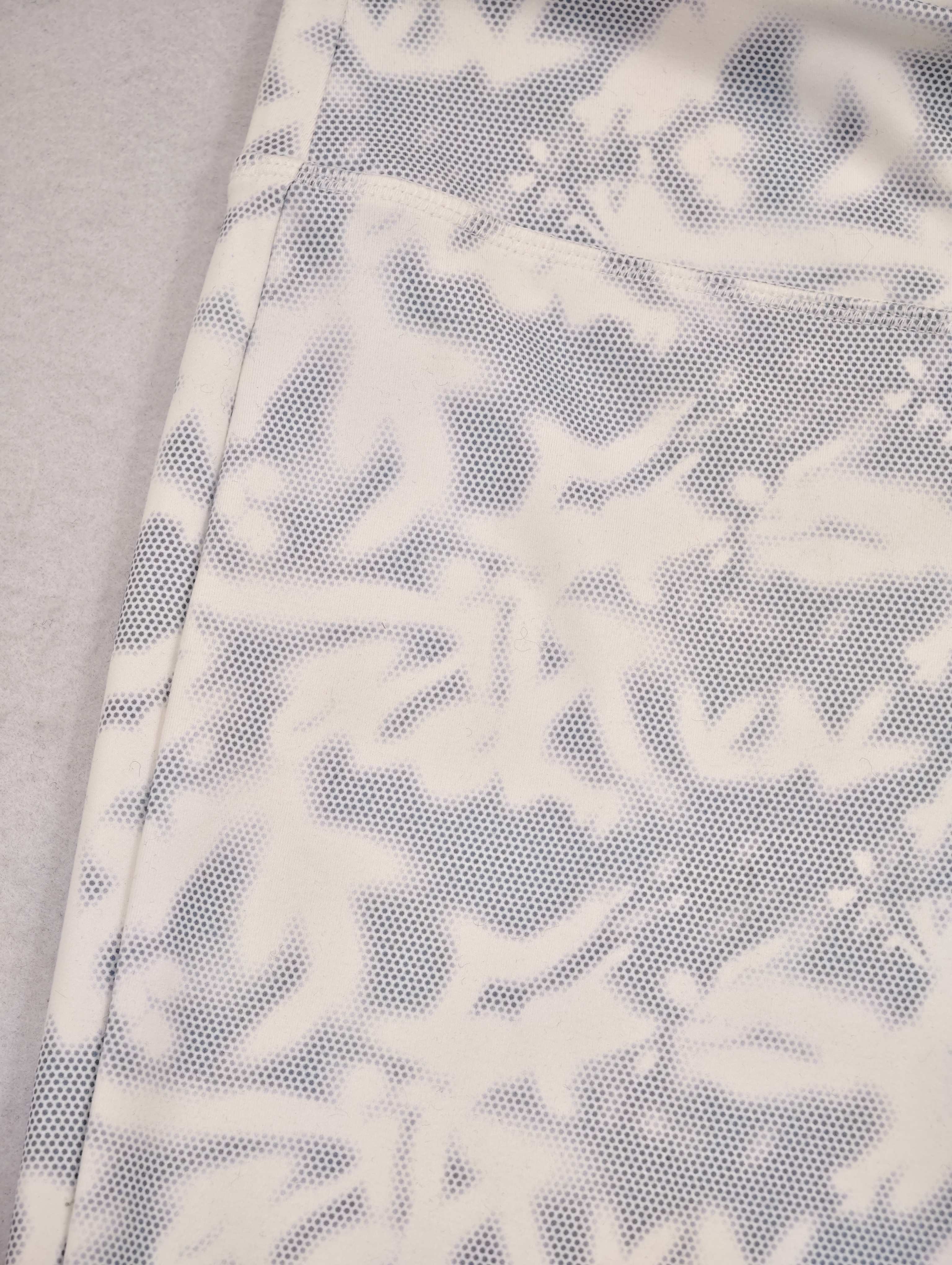
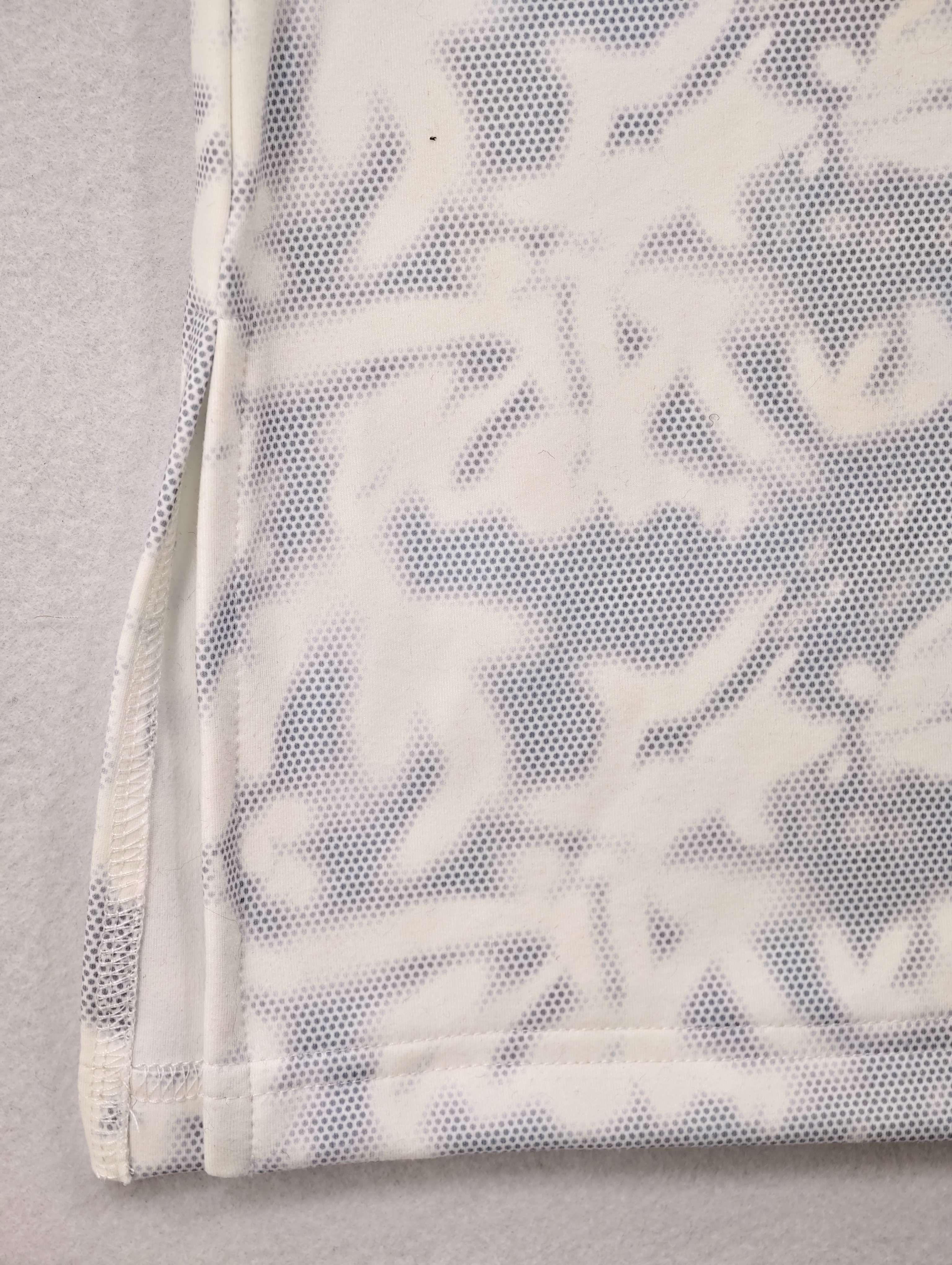
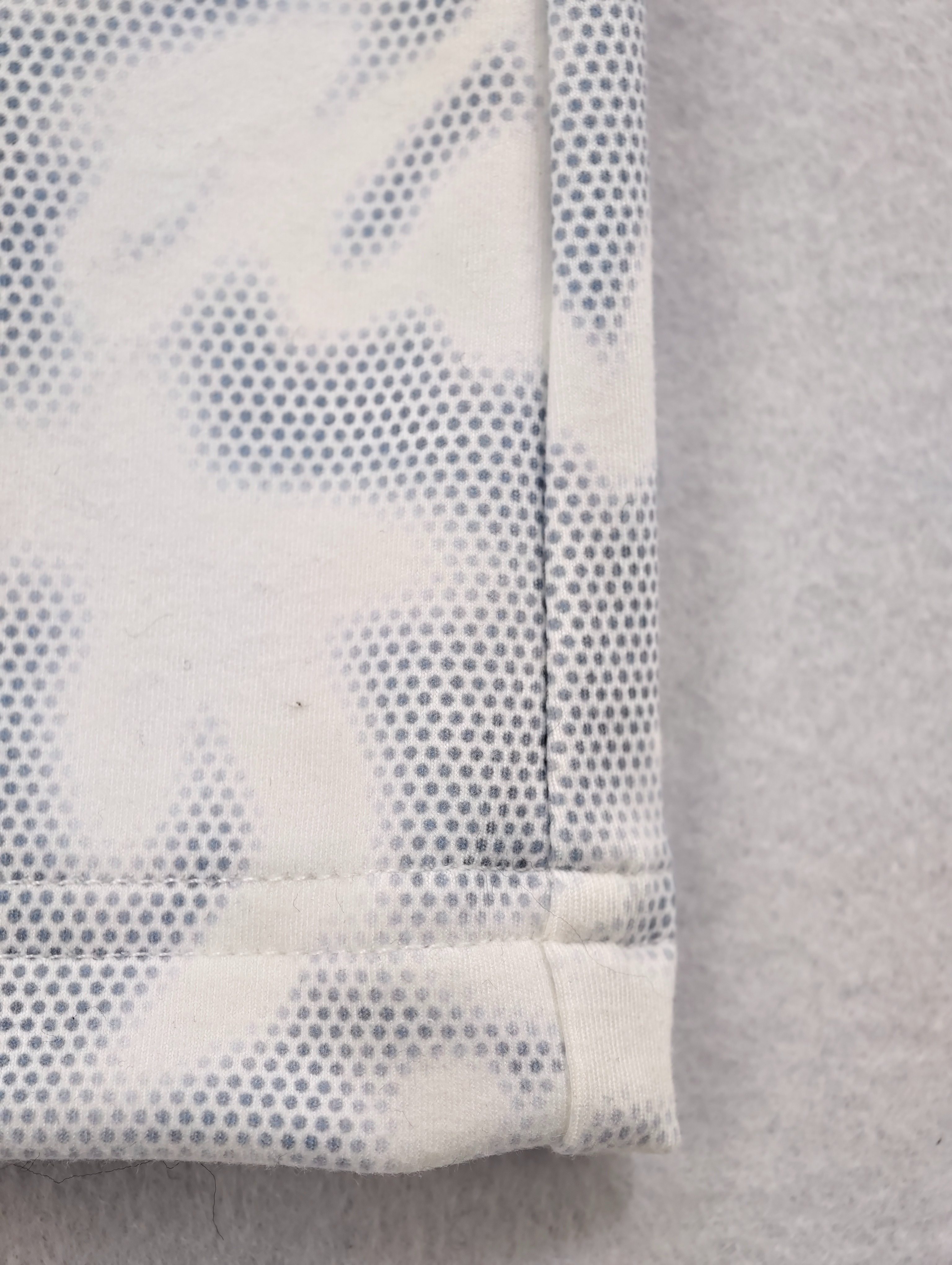
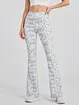
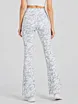
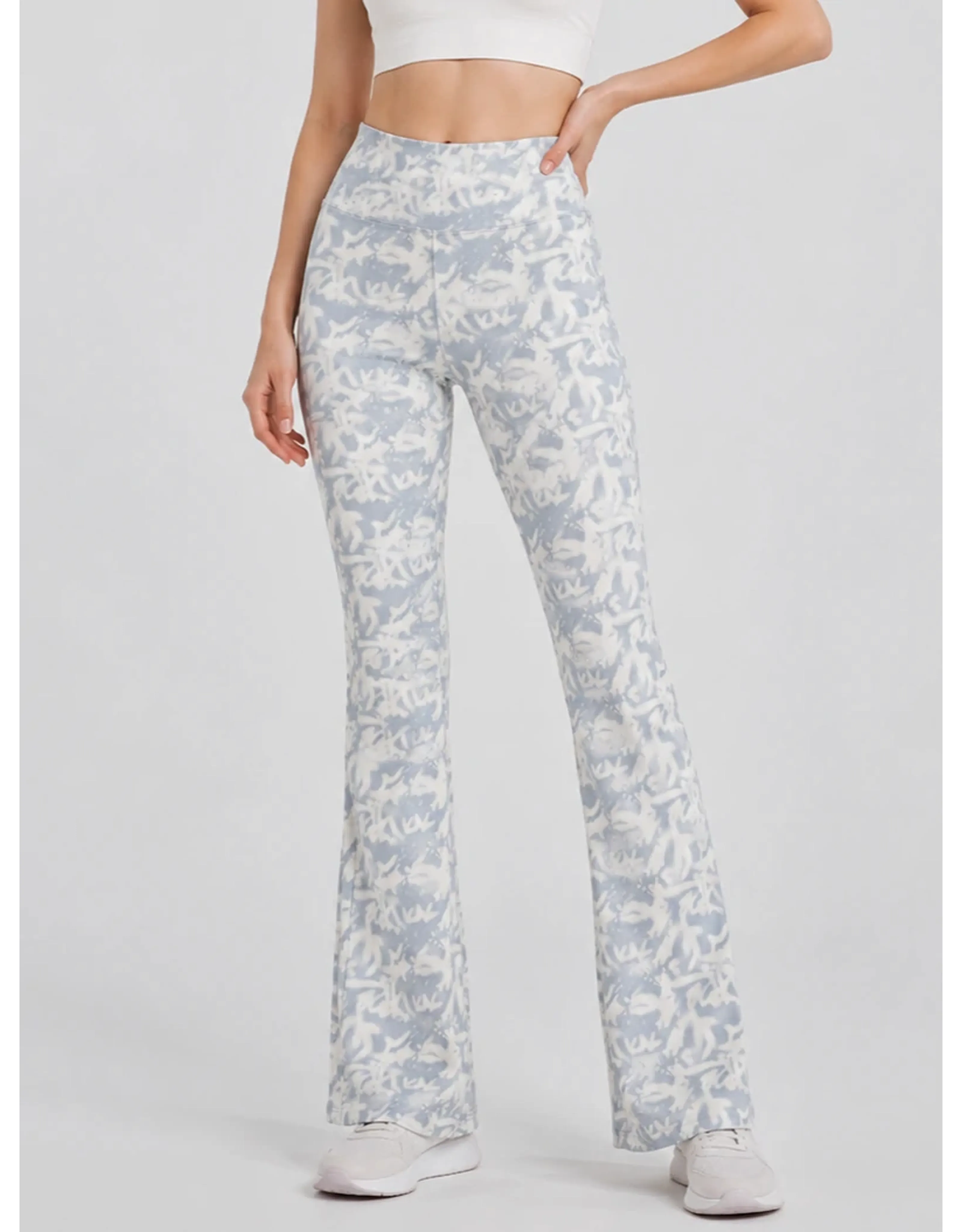
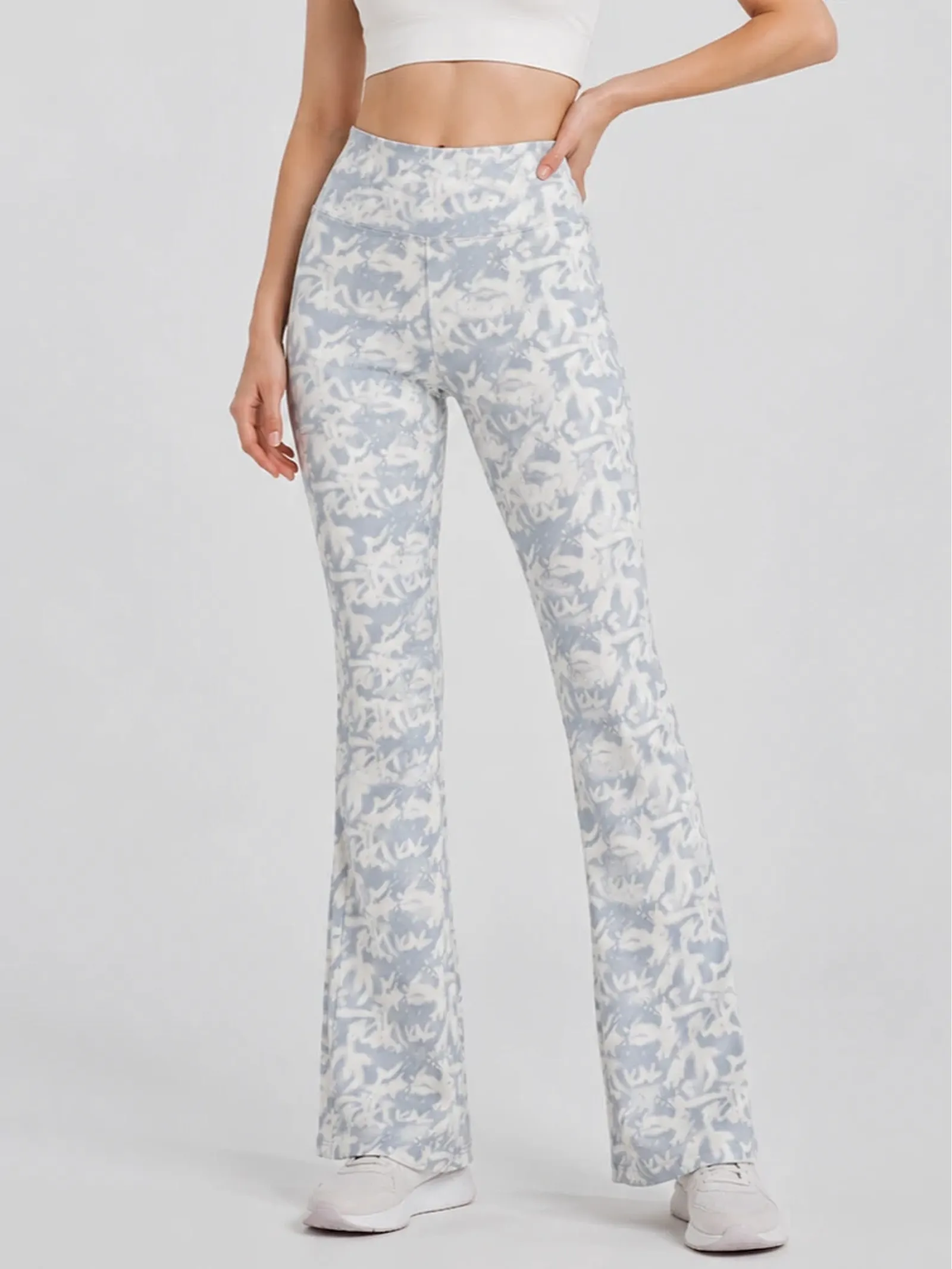
These custom women’s printed flare leggings combine a high-rise waistband with a close fit through the hip and thigh before opening into a full-length flared leg. The light blue and ivory abstract print gives the style a softer visual direction than conventional solid activewear, while the 250 GSM polyester-elastane knit provides substantial stretch, smooth coverage and enough recovery to support yoga, studio-to-street and athleisure collections.
| Main composition | 77% polyester, 23% elastane |
|---|---|
| Fabric weight | 250 GSM |
| Fabric structure | High-stretch polyester-elastane performance knit |
| Fit direction | High-rise fitted silhouette with full-length flared legs |
| Key details | Wide waistband, smooth front, shaped seat, abstract all-over print and clean flared hems |
250 GSM Performance Knit with Flexible Coverage
Polyester Surface for Printed Activewear
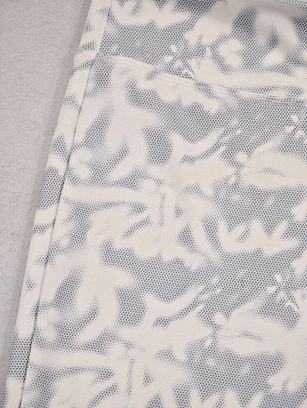
Polyester provides a smooth and stable base for the pale blue and ivory all-over print. The 250 GSM weight gives the leggings more coverage than lightweight printed jersey and helps reduce excessive transparency when the fabric stretches across the hip, thigh and knee.
Twenty-Three Percent Elastane and Recovery Control
The high elastane content supports substantial stretch through the waist, seat and legs. Recovery testing remains important because excessive relaxation can change the waistband circumference, knee shape and flare width. Stretch and opacity should be checked in both relaxed and extended positions before bulk approval.
High-Rise Waistband and Upper-Body Support
The wide waistband sits above the natural hip and creates a smooth transition into the fitted upper leg. Waistband height, top opening, seam placement and internal layer construction should be approved together so the garment remains secure without rolling downward or creating excessive pressure.
Keeping the Waistband Flat
The waistband should remain level around the front, sides and back. Uneven sewing tension or incompatible stretch between waistband layers may cause rippling, twisting or edge flare. Post-wash recovery and repeated-extension testing can help confirm that the top opening retains its intended circumference.
Hip Fit, Seat Shaping and Front-Rise Balance
The upper section follows the body closely through the waist, seat and upper thigh. Front rise, back rise and crotch extension need to be reviewed on body so the leggings provide comfortable coverage without pulling downward or creating excess fabric at the front.
Seam extension should remain compatible with the fabric stretch. Thread selection, stitch density and seam allowance must allow movement during dressing, bending and studio activity without creating broken stitches or restrictive seam lines.
Fitted Thigh and Flare Transition
Positioning the Flare Point
The silhouette remains close through the thigh before widening below the knee. Flare position should be approved in relation to the wearer’s knee level and inseam because a transition placed too high can appear overly wide, while a low transition may reduce the intended bootcut effect.
Balancing the Leg Opening
Knee width, lower-leg angle and hem circumference should be adjusted together. Both legs need equal flare volume so the garment hangs symmetrically and moves consistently during walking. The final opening should also be reviewed with the intended footwear.
Abstract Print Scale and Placement Approval
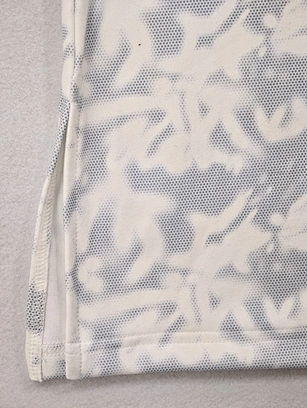
The irregular print combines light blue ground areas with ivory brushstroke-style shapes. Although the artwork does not require exact motif matching, scale and direction should remain consistent across both legs. Print approval should confirm color depth, line clarity, repeat size and the absence of visible banding.
Managing Print Distortion During Stretch
The artwork should remain visually balanced when the fabric stretches over the body. Excessive extension during printing, cutting or sewing can distort the motifs and create noticeable differences between the upper and lower legs. Bulk fabric should be relaxed before cutting.
Inseam Alignment and Lower-Leg Stability
Inseams and side seams should hang vertically without twisting toward the front or back. Accurate grain direction and balanced sewing tension are particularly important in flared leggings because distortion becomes more visible as the leg opening widens toward the hem.
Full-Length Hem and Finished Measurement Control
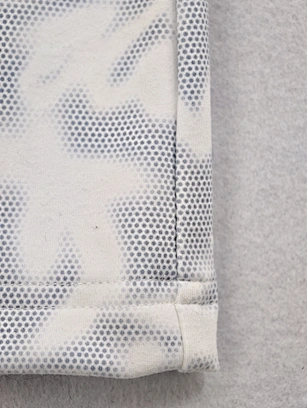
The hems are designed to finish close to the top of athletic or casual footwear. Inseam length, outseam length and flare opening should be confirmed after fabric relaxation and washing. Both hems should remain equal in length and circumference without tunneling or waviness.
Activewear and Coordinated Set Development
These printed leggings can be developed as a standalone studio-to-street bottom or paired with wrap tops, sports bras, crop tops and lightweight jackets. Matching pieces can use the same print scale and color standard, while selected panels may be produced in coordinating solid fabric for a more balanced collection.
OEM Options for Printed Flare Leggings
Private label flare leggings development may include:
- Custom all-over prints, placement graphics and solid colors
- Alternative fabric weights, finishes and stretch levels
- Adjustments to waistband height, rise and compression direction
- Changes to knee width, flare position, inseam and hem opening
- Internal waistband pockets, side pockets or pocket-free versions
- Custom labels, heat transfers, hangtags and branded packaging
Buyer FAQs for Printed Flare Leggings
Does the fabric provide strong stretch?
Yes. The 23% elastane content provides substantial stretch and recovery for a fitted activewear silhouette.
Can the abstract print be replaced with custom artwork?
Yes. Custom all-over prints, placement graphics and coordinating solid-color versions can be developed from approved artwork and color references.
Can the flare width and inseam be adjusted?
Yes. Knee width, flare starting point, lower-leg angle, inseam length and hem circumference can be revised during pattern and sample development.
What should be approved before manufacturing?
Confirm fabric recovery, stretch opacity, waistband stability, rise balance, print color, flare symmetry, inseam alignment and post-wash measurements.
Confirming Stretch Opacity Before Flare Width and Bulk Measurements Are Released
Review the sample for waistband recovery, front and back rise, hip coverage, knee position, flare balance, print appearance and finished inseam length. For sampling and quotation, provide the target quantity, size range, print artwork, color standard, preferred fit, waistband requirements, branding details and any available technical files.