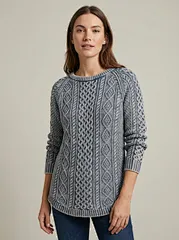

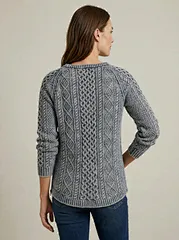


Private Label 7-Gauge Cotton Cable-Knit Tunic Sweater








Fabric, wash, decoration, branding, and sampling — aligned to your program from first
sketch to bulk delivery.
Customization & Development
Product Details
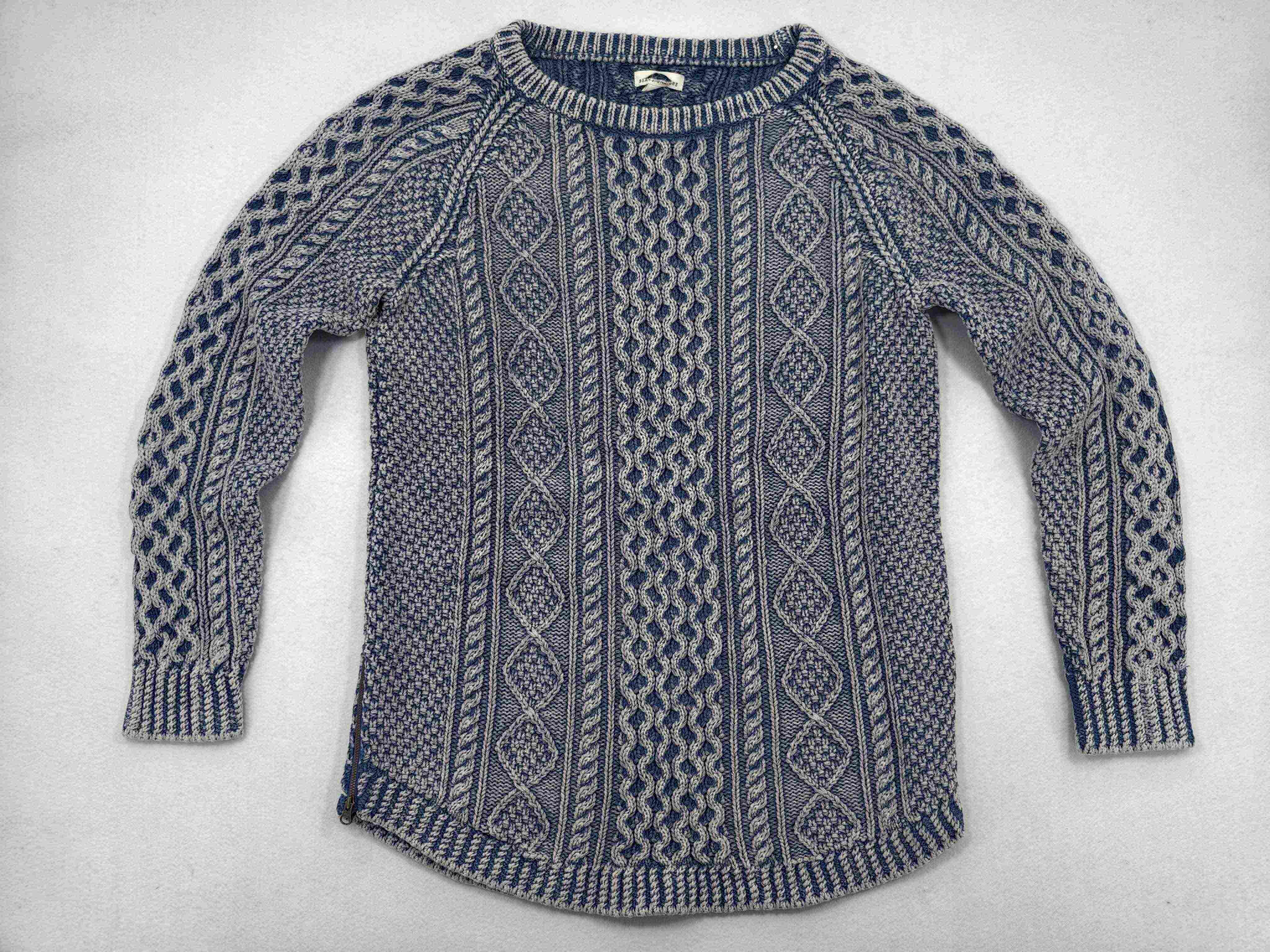
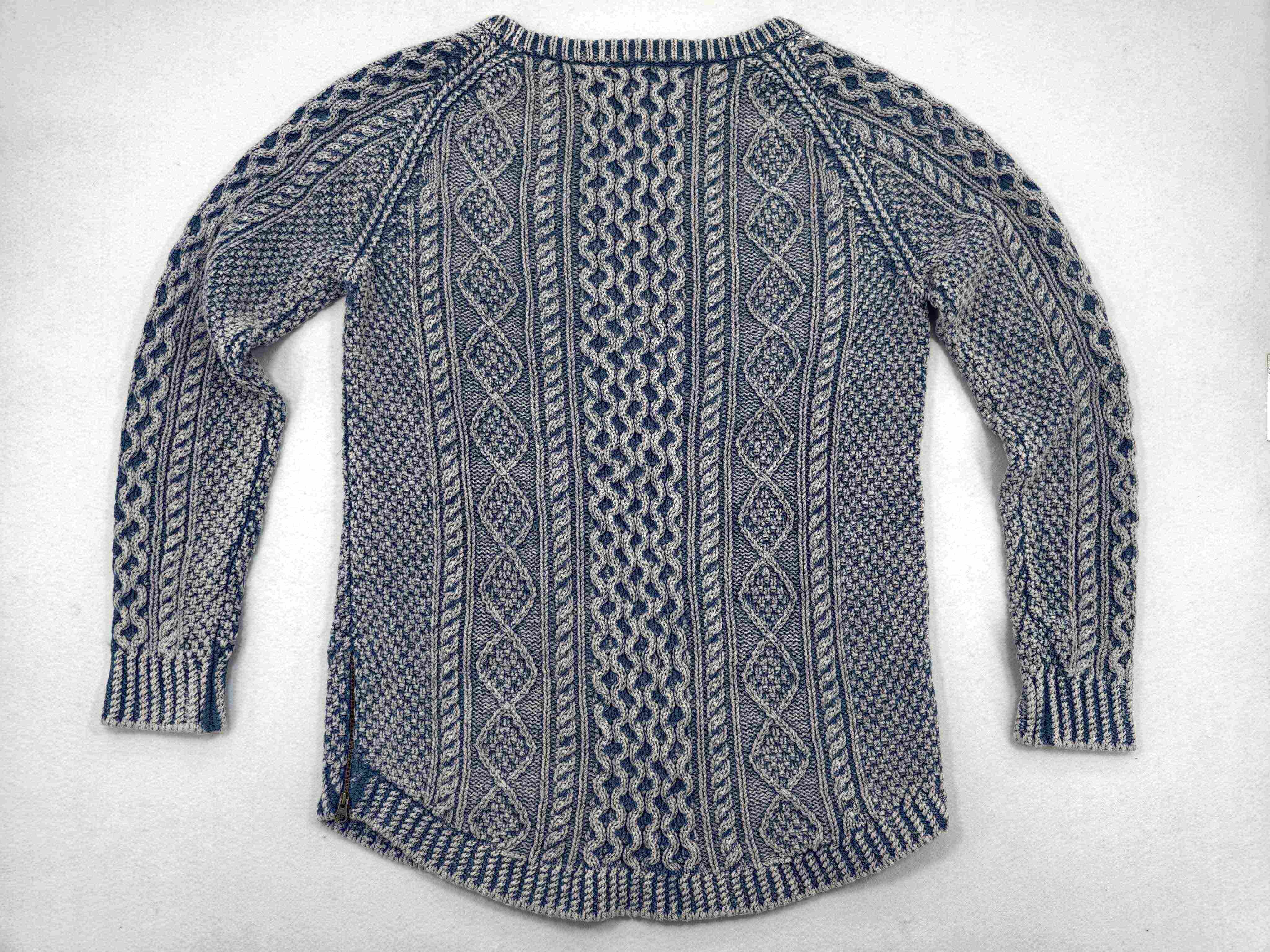
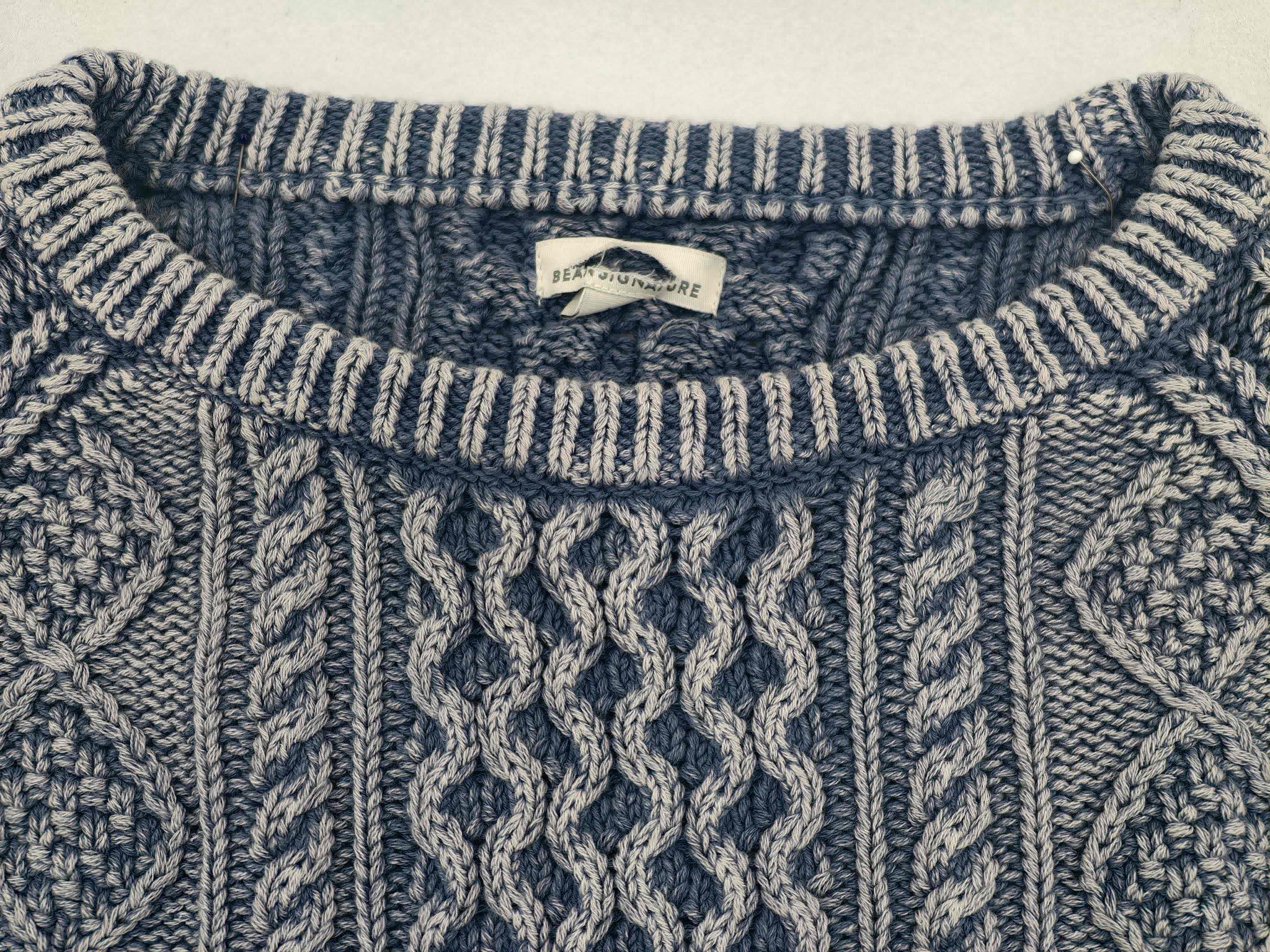
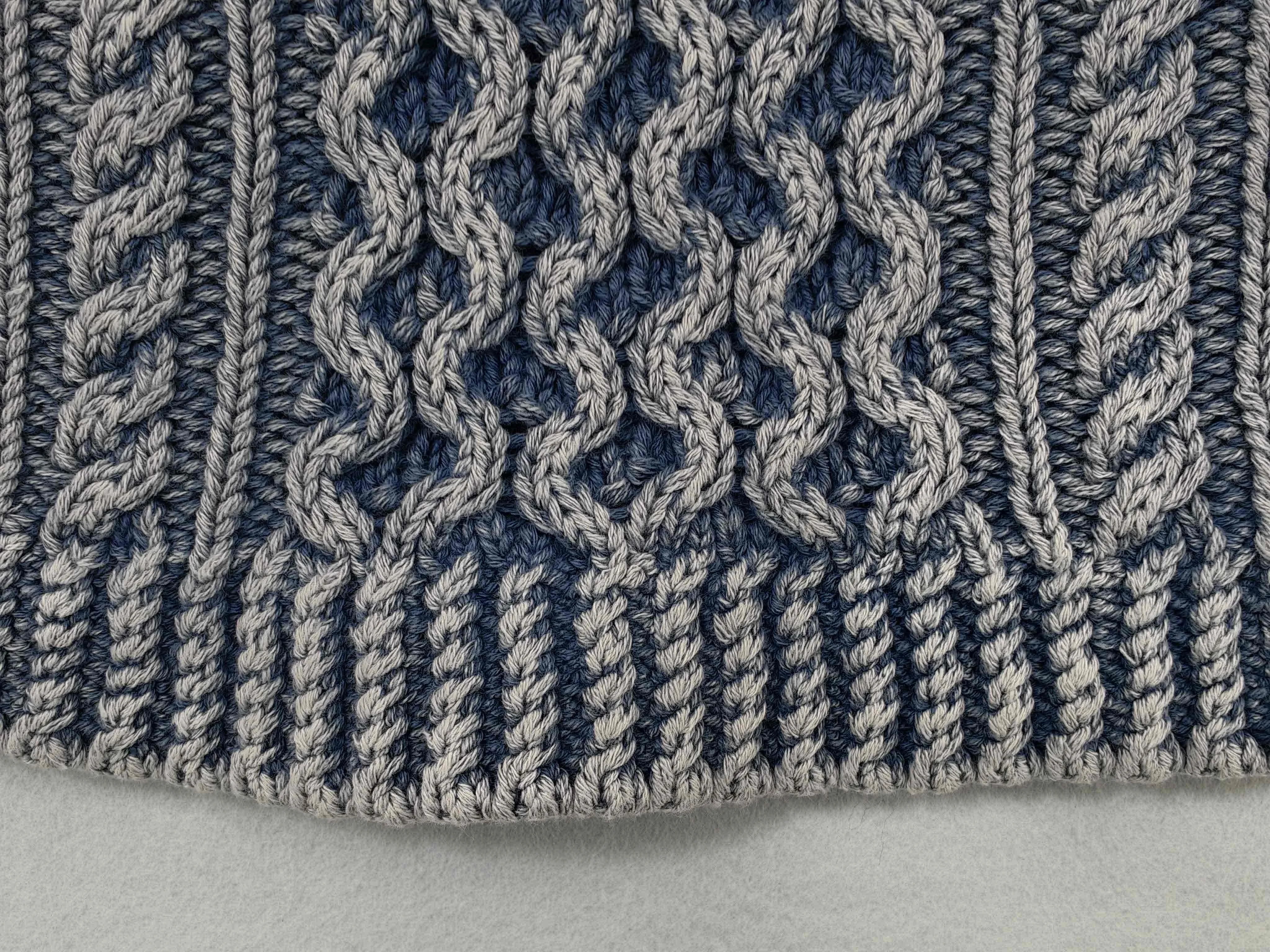
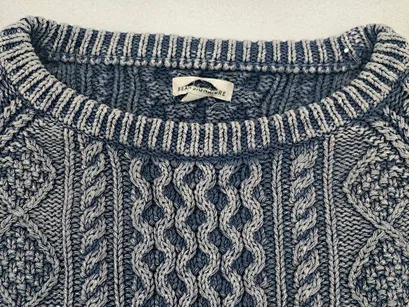
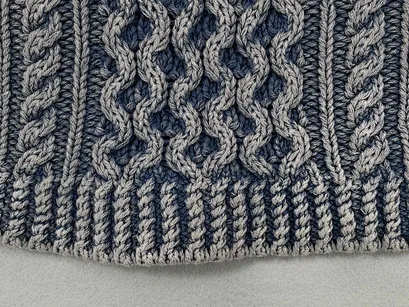
This 7-gauge cotton cable-knit tunic sweater combines multiple vertical Aran-inspired stitches with a rounded neckline, raglan shoulders and an extended curved hem. Cable, diamond and textured knit panels create depth across the front and sleeves, while the longer body gives the style more coverage than a standard pullover. It is suited to casualwear, denim-led and transitional knitwear collections that need a substantial cotton sweater with visible craftsmanship.
| Yarn composition | 100% cotton |
|---|---|
| Yarn specification | 2/21s cotton yarn |
| Knitting gauge | 7 gauge |
| Garment weight | Approximately 480 g |
| Construction | Round neck, raglan sleeves, mixed cable panels and curved rib hem |
Mixed Cable Structures in a Substantial Cotton Knit
2/21s Yarn with 7-Gauge Definition
The 2/21s cotton yarn gives the sweater enough fullness to define cables and diamond motifs clearly. Knitting on a 7-gauge machine creates a medium-coarse surface that feels more substantial than fine-gauge cotton knitwear. At approximately 480 g per garment, the finished piece has visible body without relying on wool or synthetic bulk.
Panel Planning Across the Front and Sleeves
The garment uses several stitch groups rather than one repeated cable. Their widths and spacing must be planned together so the center panel remains aligned and both sides mirror each other. Changes in stitch structure can also affect panel length, making relaxation and finishing measurements important before size grading.
Maintaining Symmetry Through Raglan and Curved Hem Lines
Raglan shaping needs clean transitions between the neckline, shoulder panels and sleeve cables. Uneven decreases can shift the motifs or create different shoulder angles on each side. The neck rib should sit flat and recover after wear without stretching away from the body.
The extended body finishes with a curved rib hem, so front length, side rise and back balance must be checked together. Excessive rib tension may pull the lower edge inward or distort the cable panels. Final inspection should cover motif alignment, sleeve length, garment weight and finished measurements before bulk knitting.
Longline Cotton Knitwear for Transitional Styling
The tunic length works with slim trousers, denim and leggings, while the pure cotton composition makes it suitable for customers who prefer non-wool knitwear. The blue-and-light contrast highlights the stitch patterns and gives the sweater a heritage-inspired appearance. It can support autumn, early winter and transitional casualwear assortments.
Custom Options for Cable-Knit Tunic Programs
Customized knitwear development may include:
- Alternative yarn colors, mouliné effects and contrast combinations
- Adjustments to body length, curved hem depth and sleeve volume
- Custom cable, diamond and textured stitch arrangements
- Changes to gauge, yarn count and approximate garment weight
- Labels, embroidery, hangtags and branded packaging
Buyer FAQs for 7-Gauge Cable Sweaters
Does 480 g mean 480 GSM?
No. It is the approximate finished garment weight. It should not be presented as fabric weight per square meter.
Can the cable layout be simplified?
Yes. The number, width and position of stitch panels can be revised during sampling to control appearance, knitting time and cost.
What should be approved before yarn is booked?
Key approvals include yarn color, stitch map, gauge, garment weight, neckline recovery, hem shape and finished measurements.
Mapping Cable Widths Before Programming the Size Set
Review the approved sample for motif symmetry, raglan balance, neckline recovery, curved hem shape and finished garment weight. Sampling and private label knitwear production can be discussed according to yarn color, stitch complexity and size requirements. For quotation, provide the target quantity, preferred colors, measurements, branding details and technical files.