
Private Label Tonal Logo Raglan Sweatshirt









Fabric, wash, decoration, branding, and sampling — aligned to your program from first
sketch to bulk delivery.
Customization & Development
Product Details
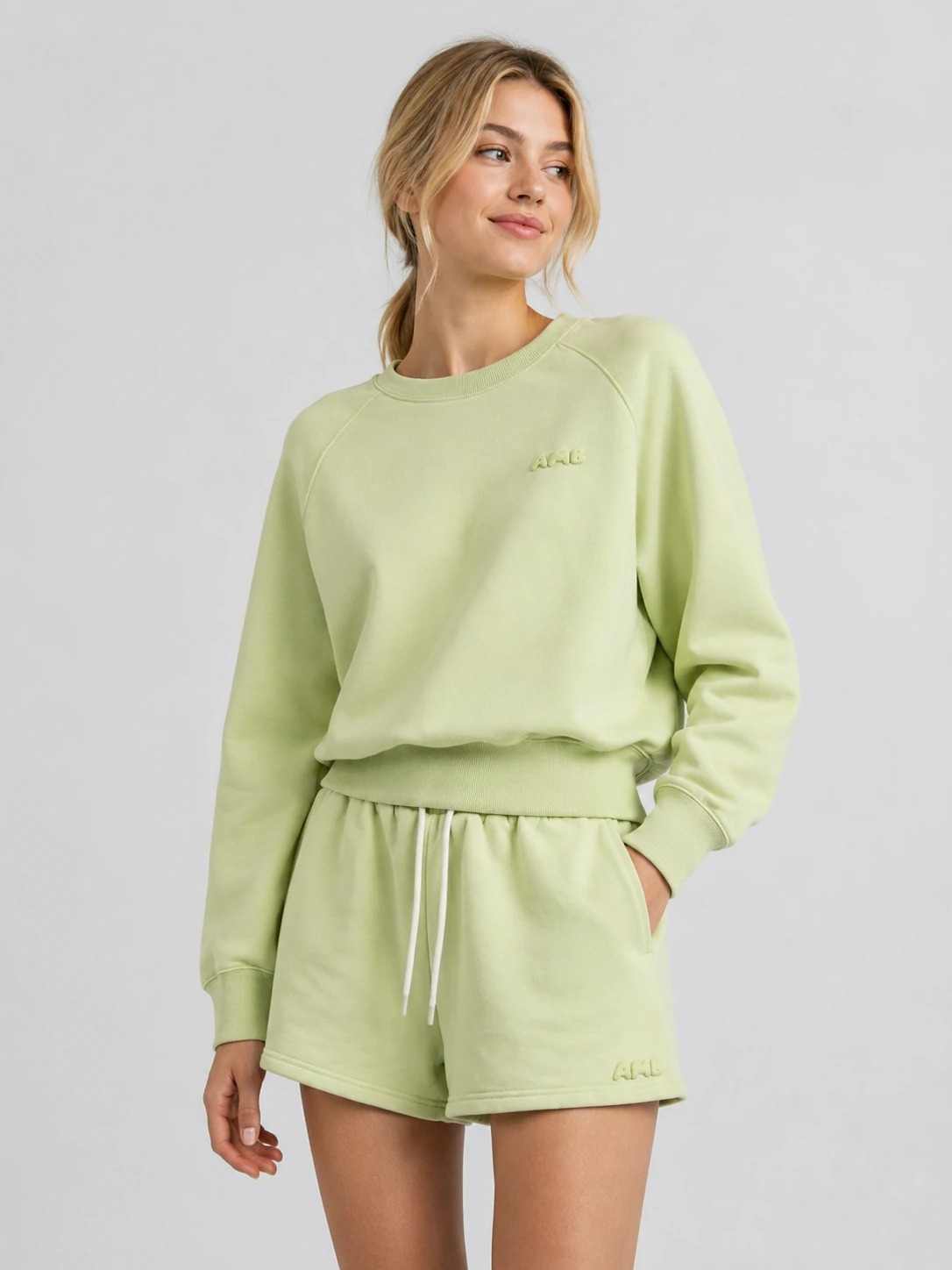
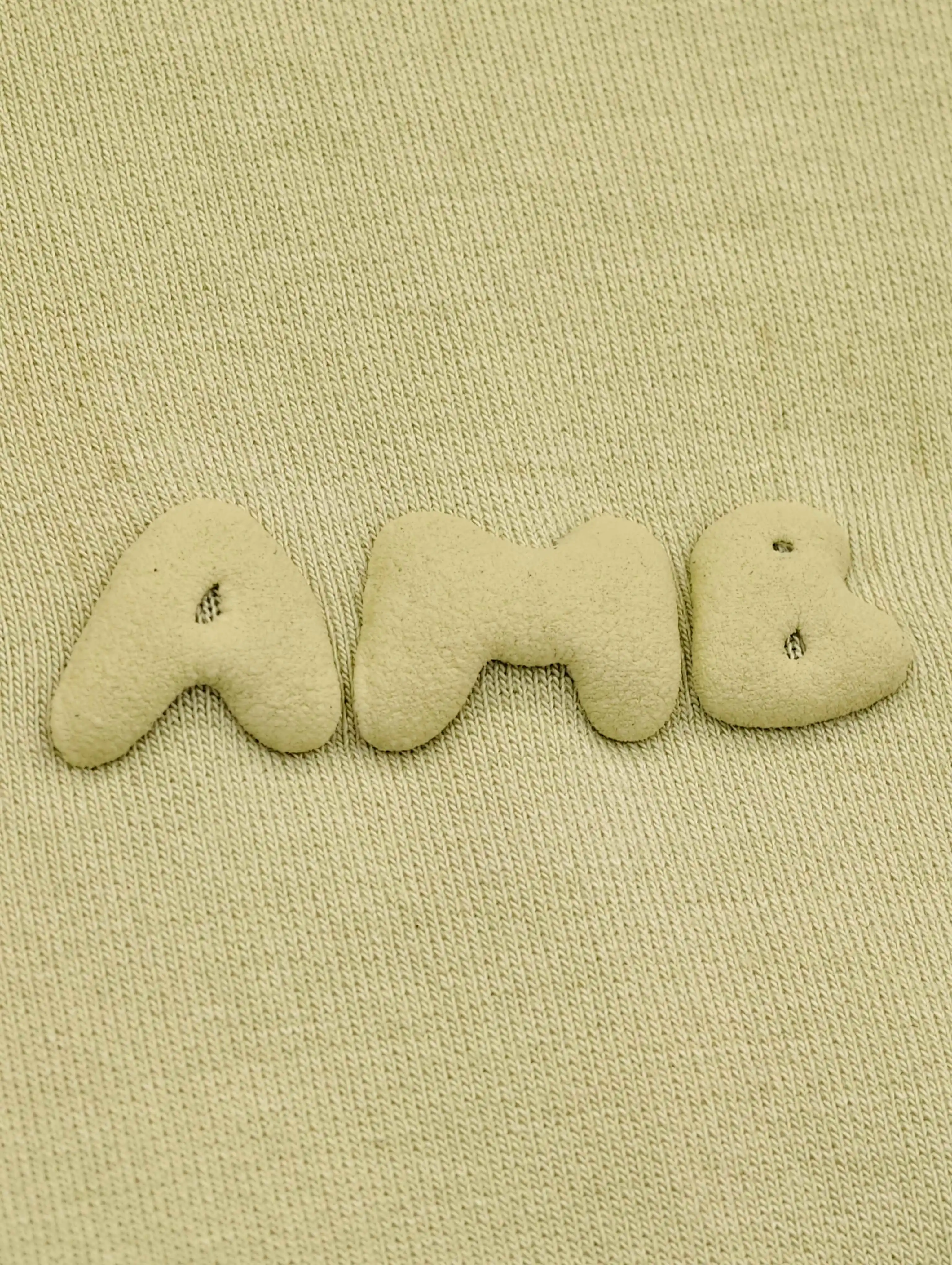
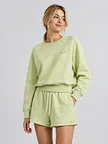
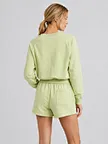
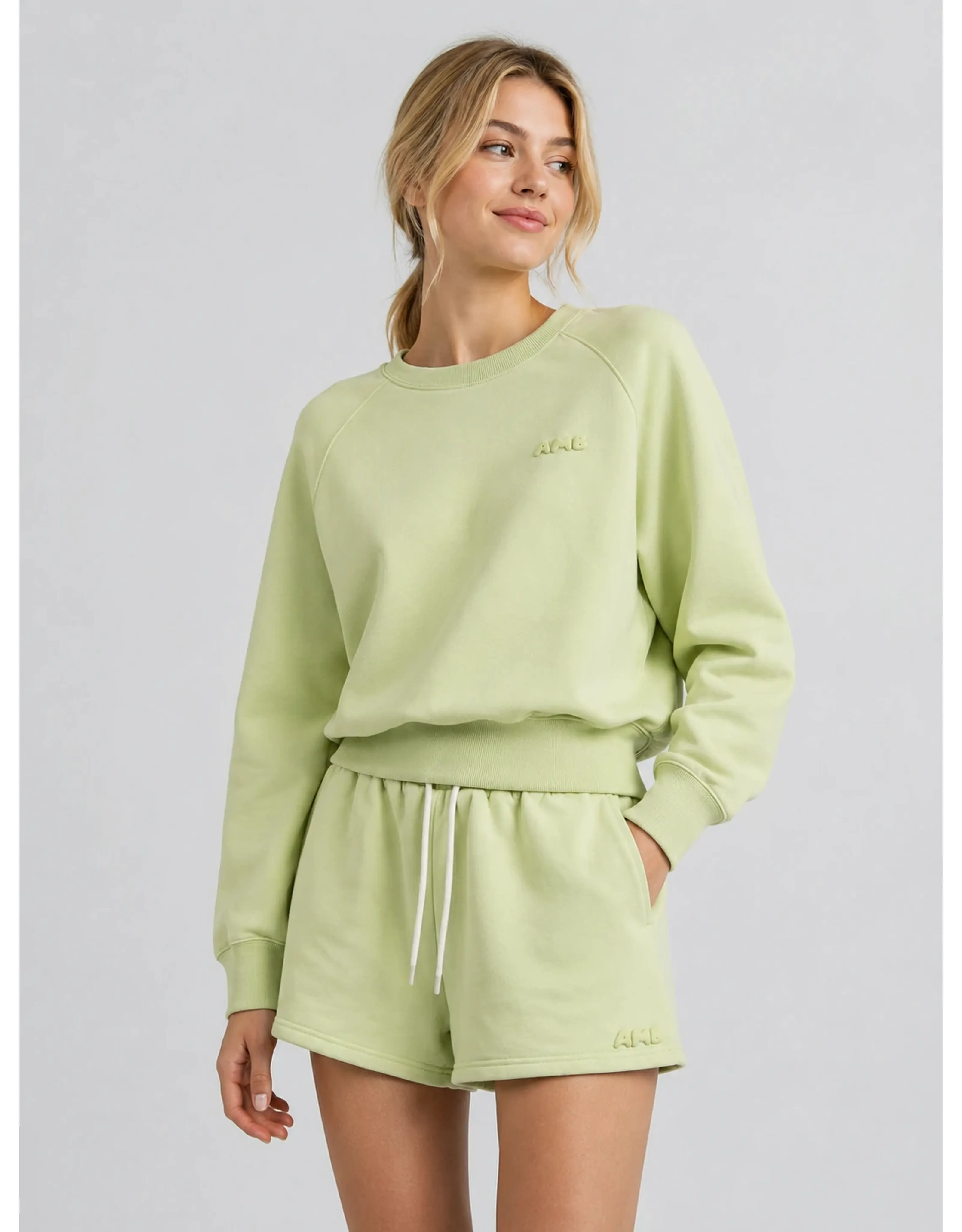
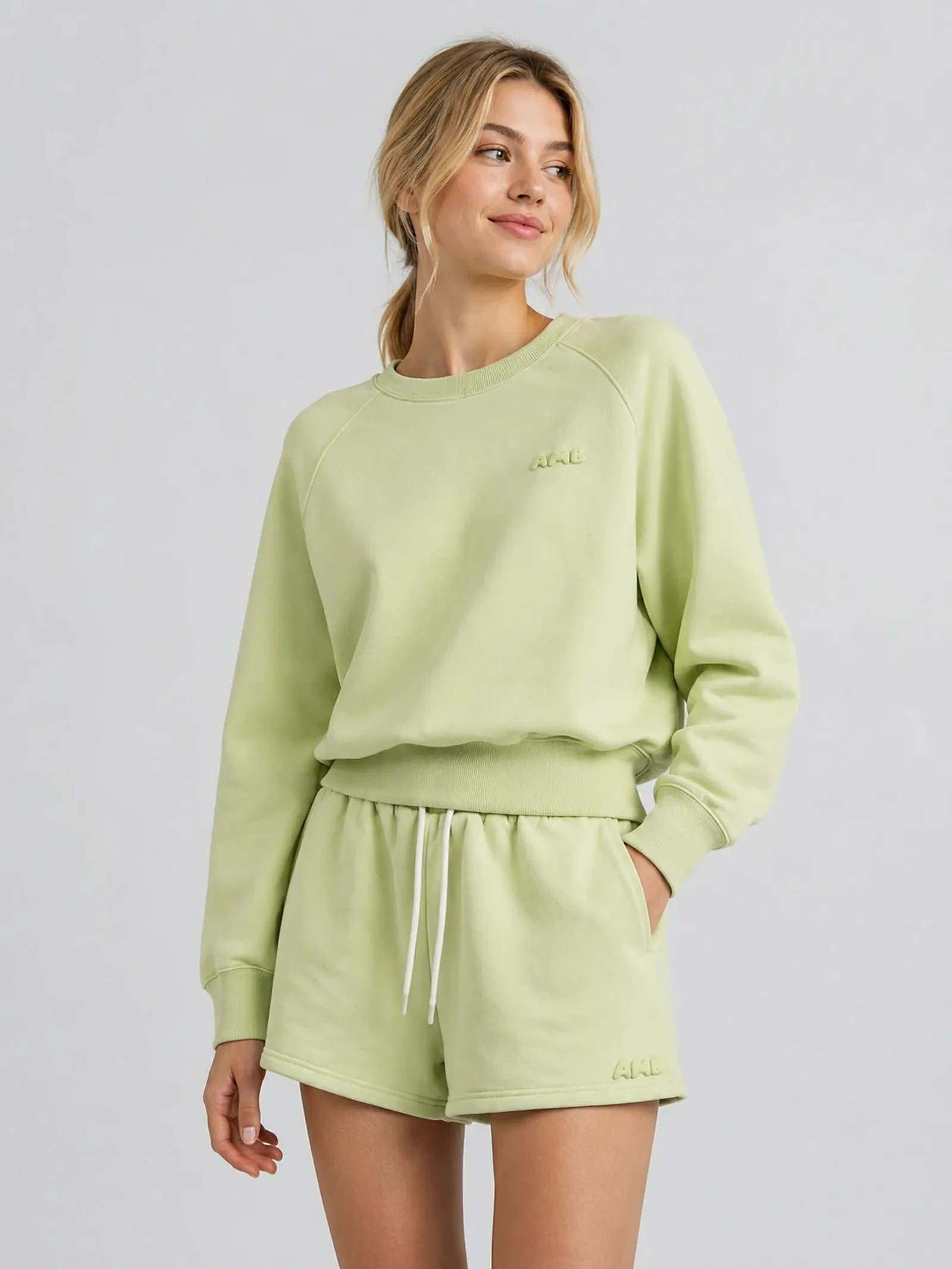
This custom women’s raglan sweatshirt combines a relaxed long-sleeve body with curved raglan seams, a fitted rib hem and a tonal raised logo positioned at the upper chest. The 240 GSM cotton-modal stretch knit provides a smooth handfeel and easy drape, while the heavier 300 GSM rib supports the neckline, cuffs and lower opening. The soft pistachio shade positions the style for elevated loungewear, travel, casualwear and coordinated matching-set programs.
| Main composition | 48% cotton, 48% modal, 4% spandex; rib: 46% cotton, 46% rayon, 6% spandex — supplied rib ratio requires confirmation |
|---|---|
| Fabric weight | 240 GSM main fabric; 300 GSM rib |
| Fabric structure | Cotton-modal stretch sweatshirt knit with heavier rib trims |
| Fit direction | Relaxed hip-length silhouette with raglan sleeves and a fitted rib hem |
| Key details | Ribbed crew neck, raglan seams, long sleeves, rib cuffs, wide rib hem and tonal raised chest logo |
240 GSM Cotton-Modal Body with Soft Everyday Drape
Cotton Comfort and Natural Surface
Cotton contributes a familiar, breathable handfeel suitable for a sweatshirt worn through travel, indoor and everyday casual settings. The 240 GSM weight keeps the body lighter than a traditional heavyweight fleece while still providing enough coverage for a clean, non-clingy silhouette.
Modal Smoothness and Four Percent Spandex
Modal softens the surface and helps the fabric fall more naturally through the sleeves and torso. The 4% spandex adds flexibility through the shoulders, elbows and body. Recovery, shrinkage and finished width should be checked after laundering so the relaxed fit does not become excessively loose.
300 GSM Rib for Neckline, Cuffs and Hem Stability
The heavier rib provides more recovery and structure at the garment openings than the 240 GSM body fabric. This difference helps the neckline retain its shape, keeps the cuffs close to the wrists and controls the relaxed body volume through the lower hem.
Balancing Rib Extension with the Main Fabric
Rib attachment ratios should be tested at the neckline, cuffs and waist because each opening requires a different level of tension. Excessive extension can cause gathering or distortion, while insufficient recovery may allow the openings to stretch outward during repeated wear.
The supplied rib composition totals 98%. The remaining fiber content should be confirmed before final product specifications, care labels and bulk fabric booking are released.
Raglan Seams and Shoulder Movement
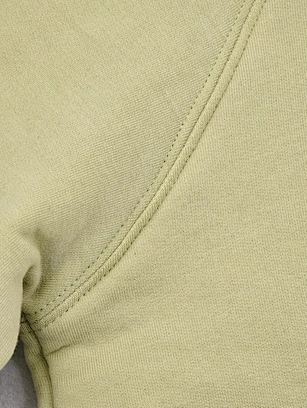
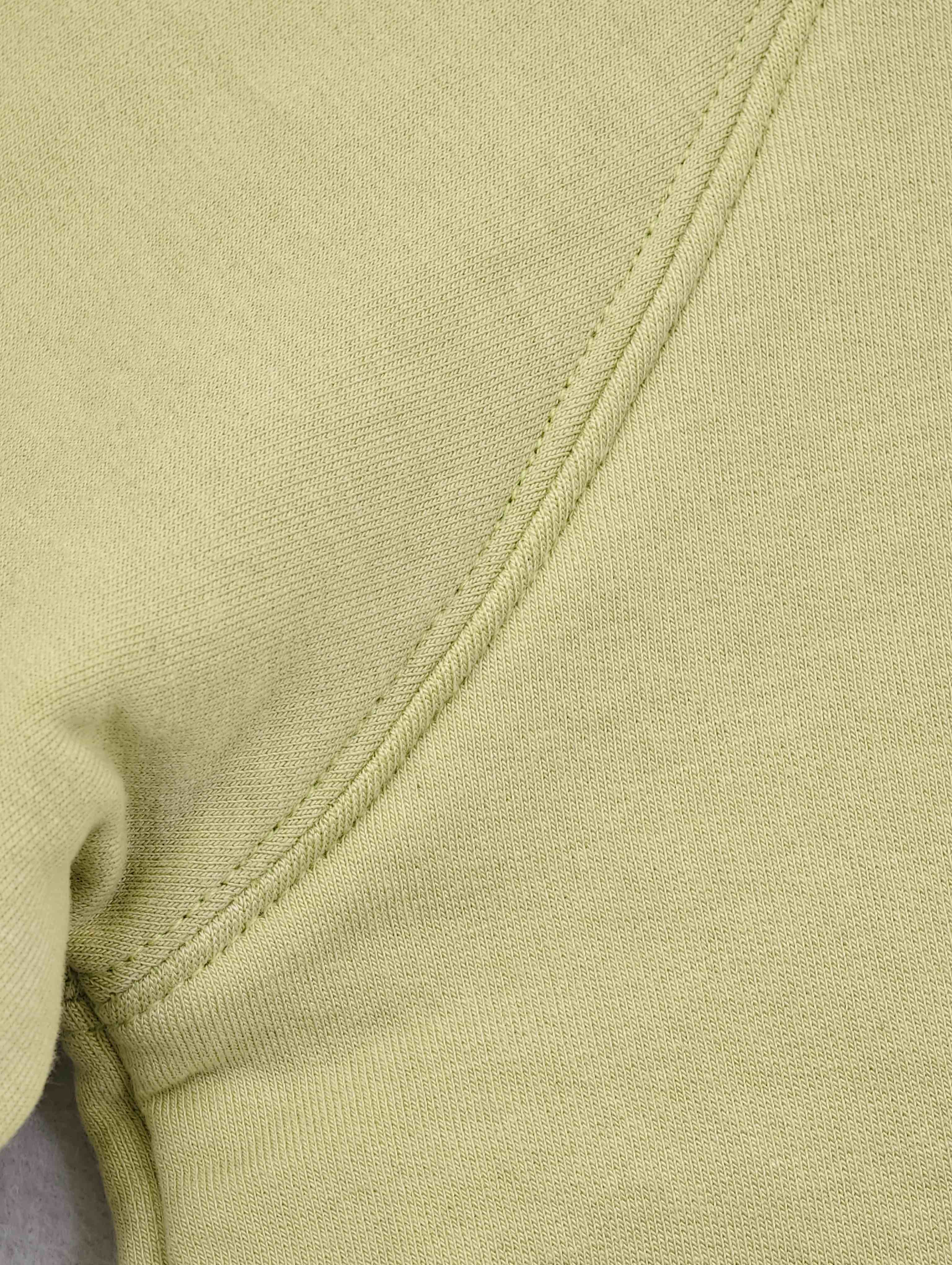
Curved raglan seams run from the neckline toward the underarm, removing the conventional set-in shoulder seam and creating a softer upper-body line. This construction supports natural arm movement and suits the relaxed styling of the sweatshirt.
Keeping Both Raglan Lines Symmetrical
Seam length, curve position and underarm depth should remain balanced on both sides. Uneven feeding or off-grain cutting may cause one seam to sit higher or create excess fabric around the shoulder. The lines should be reviewed from the front, side and back during fitting.
Crew Neckline and Shape Recovery
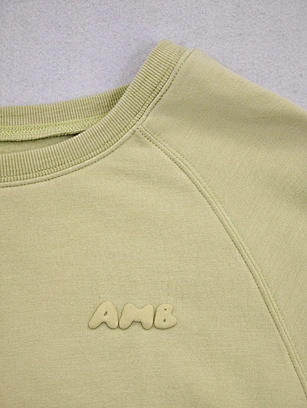
The ribbed crew neckline should sit flat around the neck without creating pressure or stretching outward. Neck opening circumference, rib height and attachment tension need to be approved together so the neckline remains comfortable while retaining a clean rounded shape.
Controlling Neckline Rippling
The rib and main fabric may respond differently during sewing and washing. Balanced seam allowance, stitch extension and pressing help prevent visible waviness. Post-wash inspection should confirm neckline circumference, seam flatness and overall symmetry.
Relaxed Sleeve Volume and Rib Cuff Control
The sleeves provide comfortable volume through the upper arm and elbow before narrowing into fitted rib cuffs. Sleeve width, length and cuff opening should be approved together so the fabric gathers naturally without creating excessive bulk above the wrist.
Maintaining Equal Cuff Recovery
Both cuffs should use the same attachment ratio and finished circumference. Uneven rib tension may cause one sleeve to sit higher or feel tighter than the other. Repeated-extension testing can help confirm recovery after dressing and wear.
Wide Rib Hem and Blouson Proportion
The wide lower rib controls the relaxed body and creates a soft blouson effect above the waist. Hem circumference, rib height and body length should be reviewed together so the sweatshirt sits neatly over high-rise shorts or pants without riding upward.
Keeping the Lower Opening Level
The rib hem should remain level across the front, sides and back. Uneven attachment tension can create twisting or cause one section to gather more strongly. Finished body length should be checked after laundering before grading and bulk measurements are approved.
Tonal Raised Logo and Surface Dimension
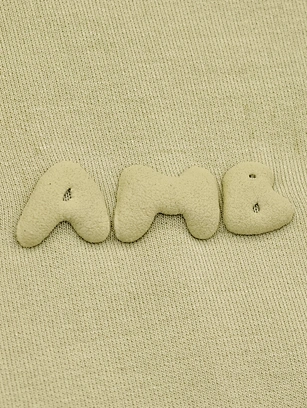
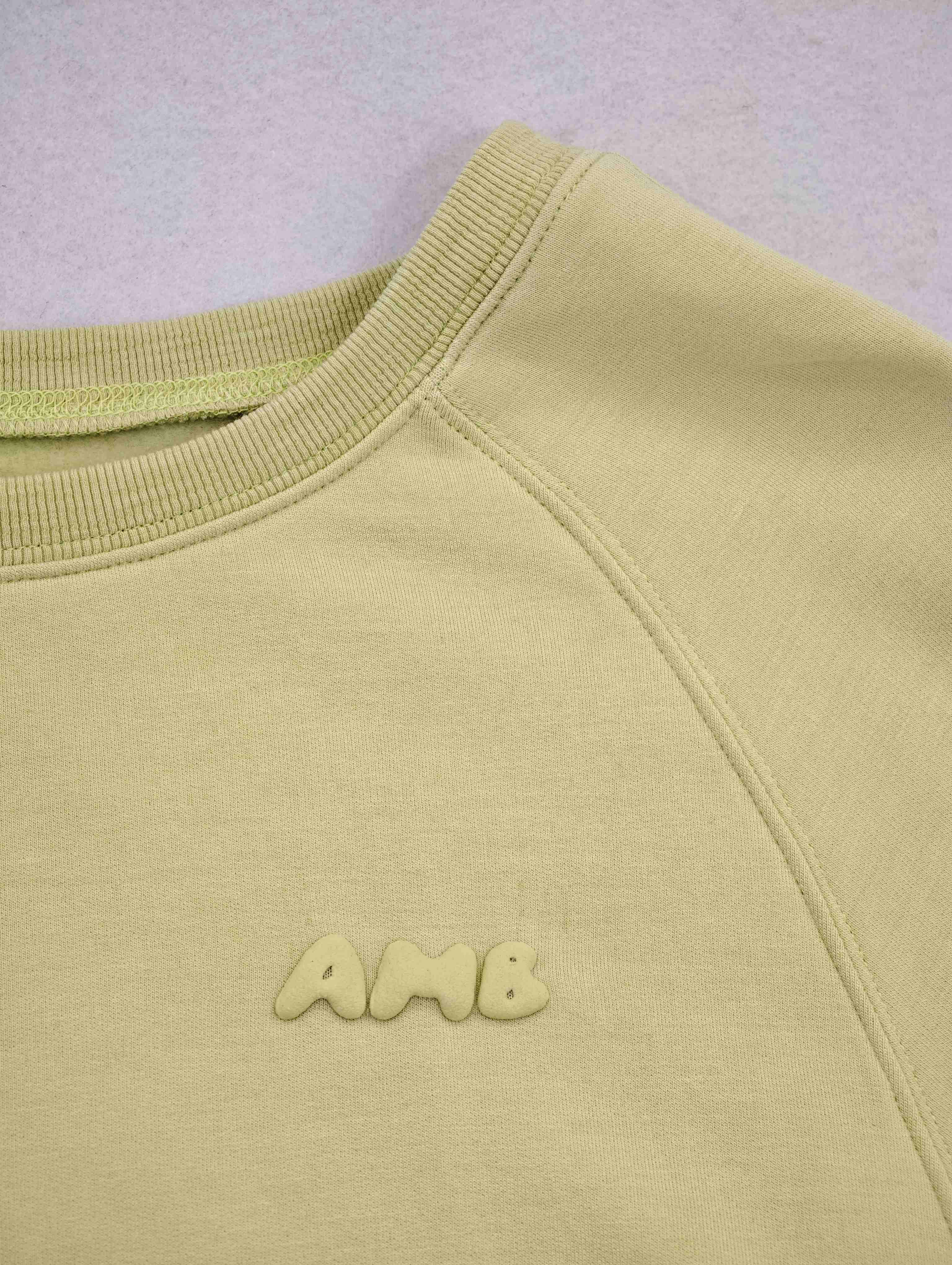
A small tonal three-dimensional logo is positioned on the upper chest. The matching color keeps the branding understated, while the raised construction adds texture and visibility through shadow rather than strong color contrast.
Logo Attachment and Wash Durability
Logo material, edge finish, attachment method and backing should be tested on the actual fabric. The application needs to remain secure without pulling or stiffening the surrounding body panel. Wash testing should confirm shape, adhesion, surface appearance and color consistency.
Pistachio Color and Matching-Set Development
The pale pistachio shade supports spring, summer and transitional lifestyle collections. The sweatshirt can be coordinated with matching drawstring shorts, relaxed pants or skirts using the same body fabric, rib quality and tonal logo direction.
For coordinated sets, body fabric, rib, sewing thread, drawcords and logo materials should be approved under the same color standard. Slight shade differences become more visible when several components are placed next to each other.
Private Label Options for Modal-Blend Raglan Sweatshirts
Custom sweatshirt development may include:
- Alternative cotton-modal blends, fabric weights and finishes
- Custom rib compositions, weights and recovery levels
- Cropped, regular, oversized or longer body proportions
- Alternative raglan curves, sleeve volume and cuff widths
- Raised logos, embroidery, printing or patch applications
- Matching shorts, pants, labels, hangtags and packaging
Buyer FAQs for Cotton-Modal Raglan Sweatshirts
Is the sweatshirt fabric brushed inside?
No brushed interior was specified. The inner surface and required finish should be confirmed during fabric selection and sample approval.
Why is the rib heavier than the body fabric?
The 300 GSM rib provides stronger recovery and additional structure at the neckline, cuffs and hem, helping each opening maintain its shape.
Can the tonal raised logo be customized?
Yes. Logo artwork, size, position, thickness, color and attachment method can be developed according to the approved branding requirements.
What should be confirmed before manufacturing?
Confirm the complete rib composition, main and rib handfeel, neckline recovery, raglan balance, cuff fit, hem tension, logo durability, shrinkage and post-wash measurements.
Confirming Rib Recovery Before Tonal Logo and Bulk Measurements Are Released
Review the sample for neckline shape, raglan symmetry, sleeve volume, cuff recovery, lower-hem tension, logo attachment and post-wash dimensions. For sampling and quotation, provide the confirmed rib composition, target quantity, size range, preferred fit, logo artwork, color standard, matching-set requirements, branding details and any available technical files.