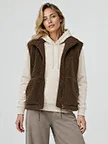

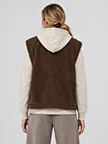
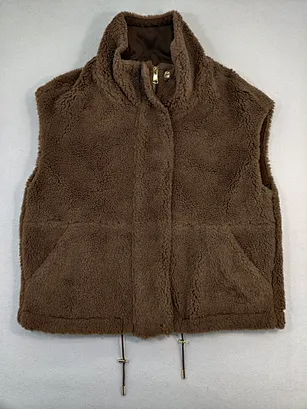


Sherpa with Jersey Lining Zip Vest OEM










Fabric, wash, decoration, branding, and sampling — aligned to your program from first
sketch to bulk delivery.
Customization & Development
Product Details
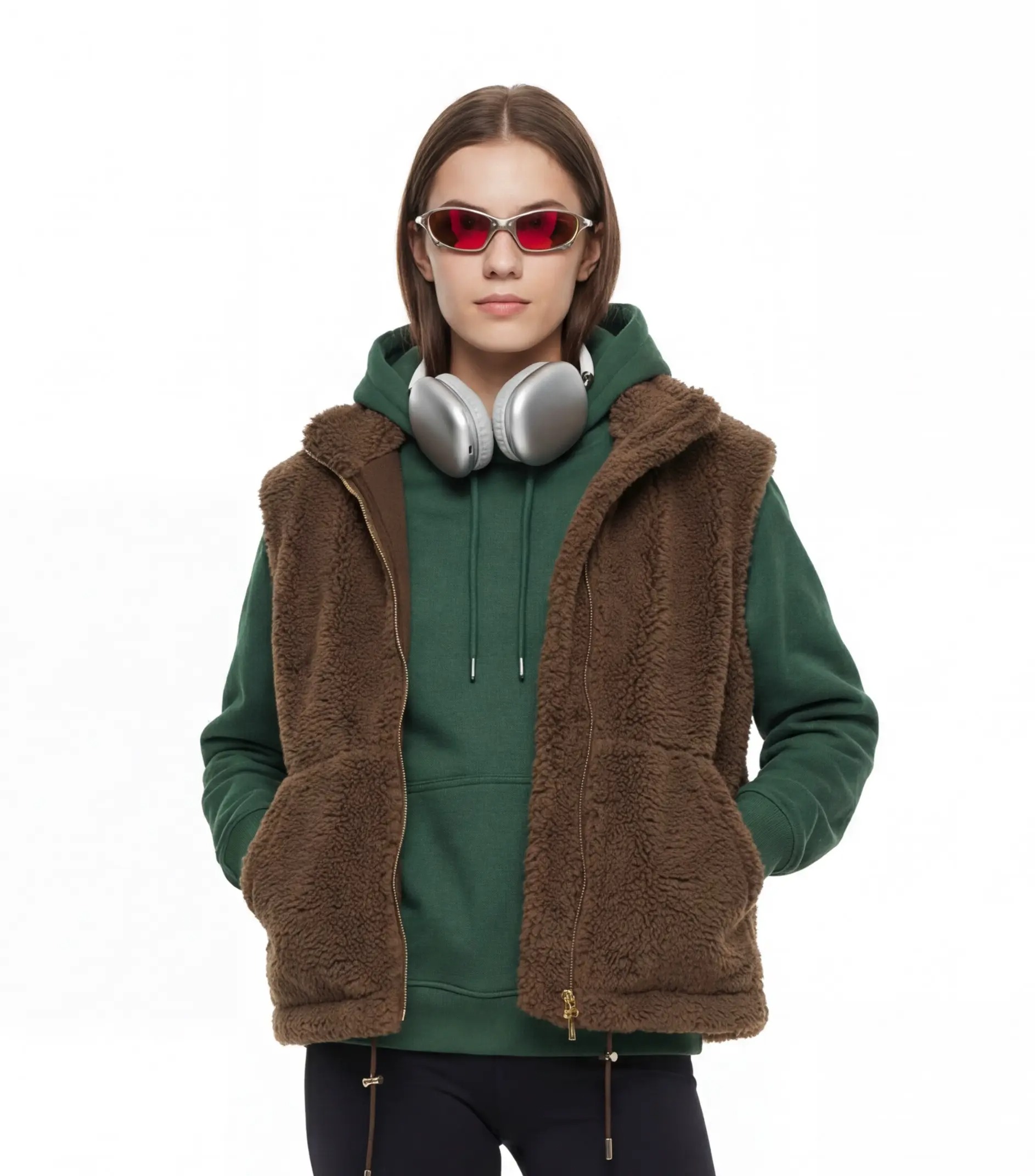
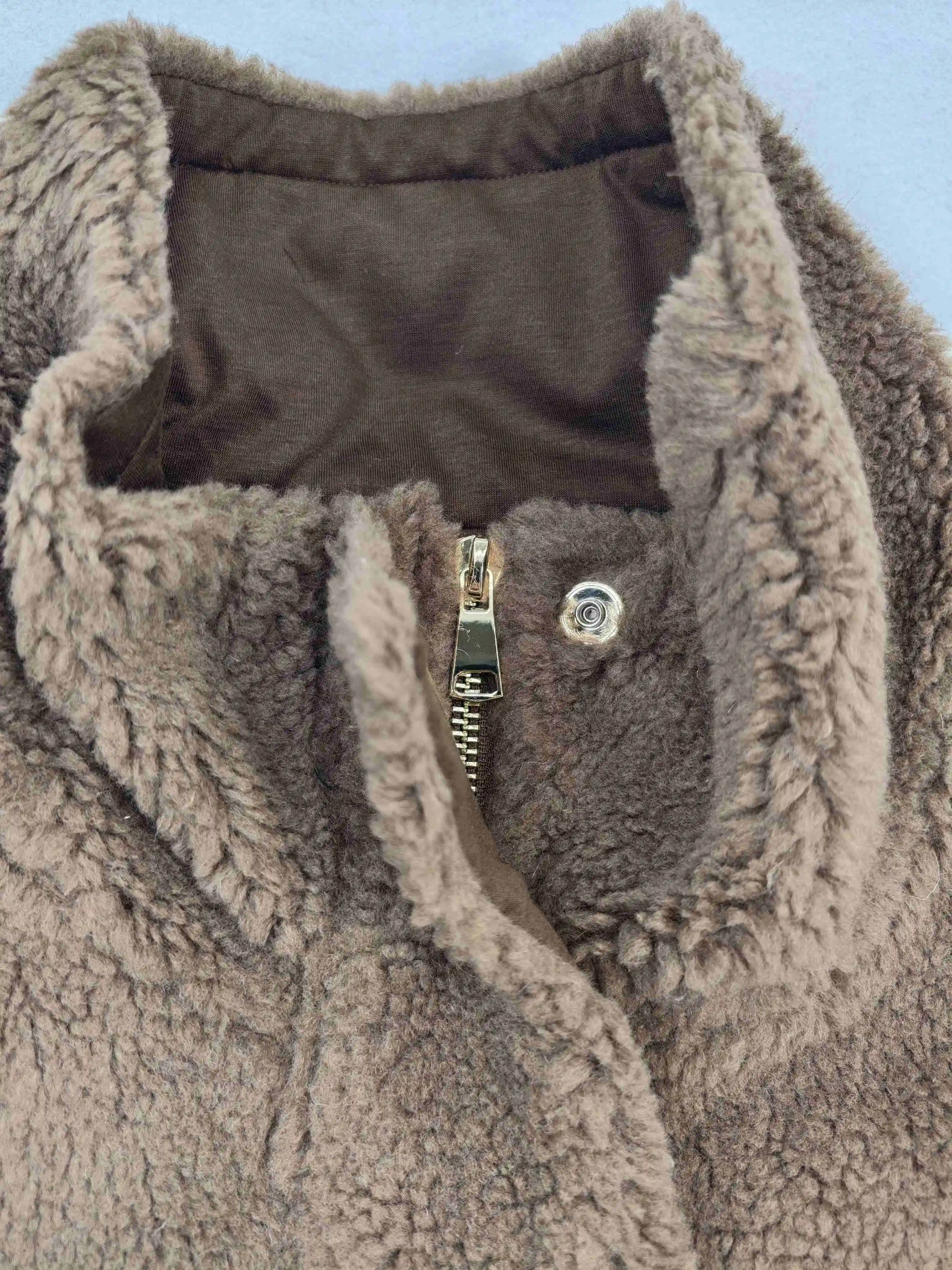
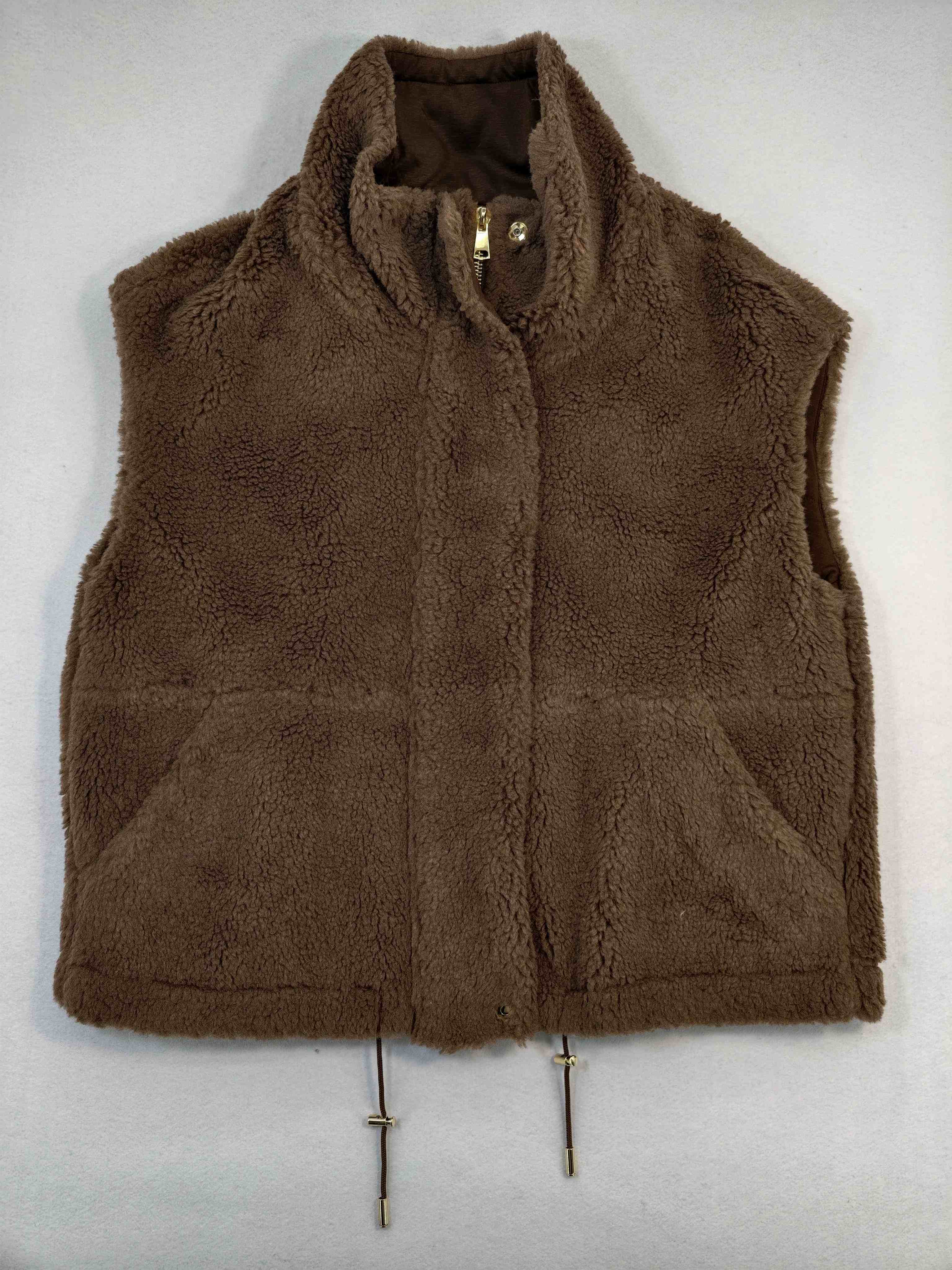
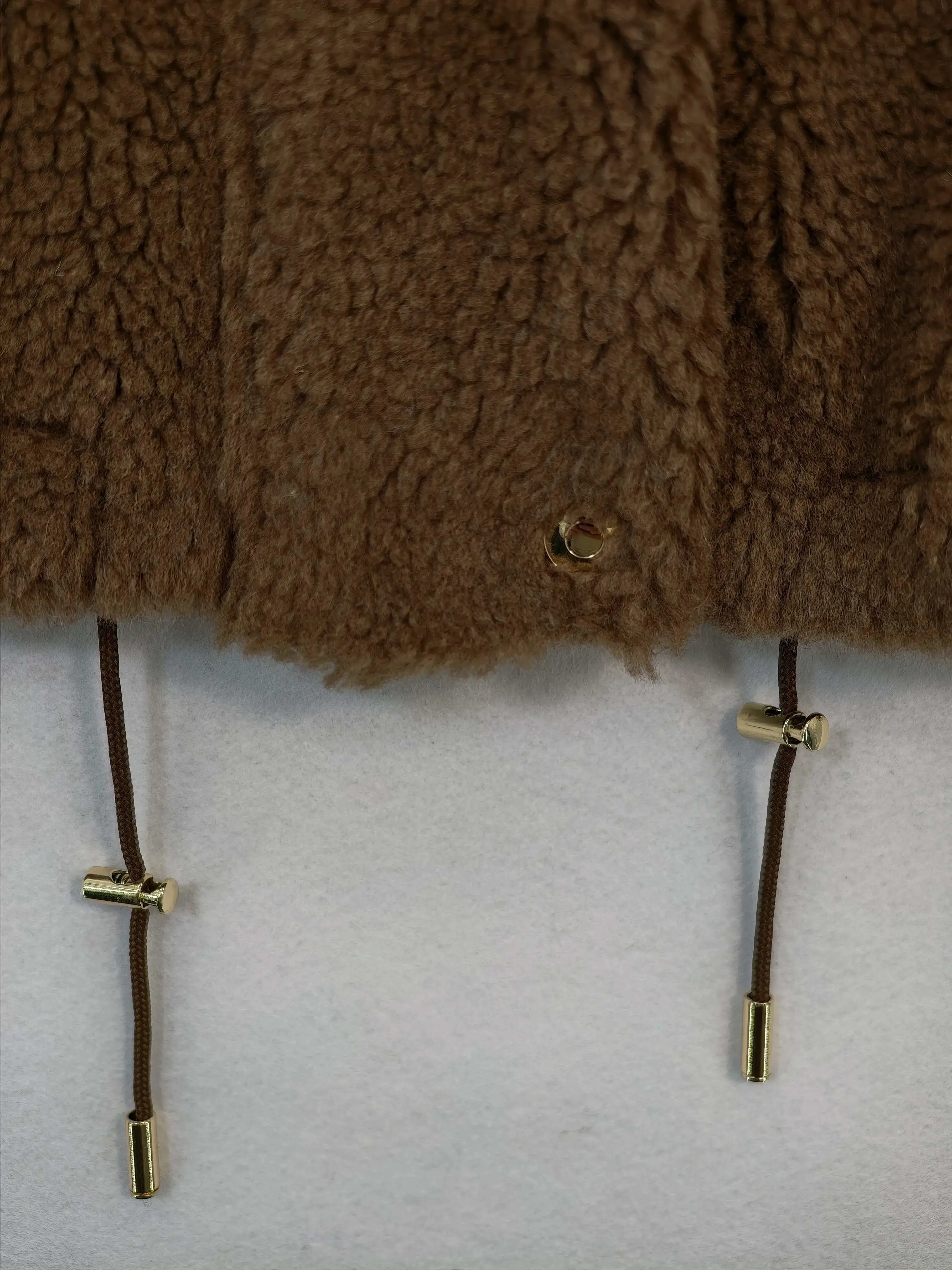
This jersey-lined recycled Sherpa zip vest is designed as a warm sleeveless layer with a soft pile exterior, smooth inner construction and an adjustable lower edge. The 400 GSM shell gives the body a fuller winter texture, while the jersey lining makes the vest easier to wear over hoodies, knit tops and long-sleeve base layers. It suits lifestyle outerwear, travel, casual streetwear and responsibly positioned seasonal collections that need warmth without the sleeve volume of a jacket.
| Outer fabric | 400 GSM Sherpa: 90% recycled polyester, 10% wool |
|---|---|
| Lining | 150 GSM jersey: 50% lyocell, 40% acrylic, 10% wool |
| Fit | Relaxed sleeveless silhouette with room for layering |
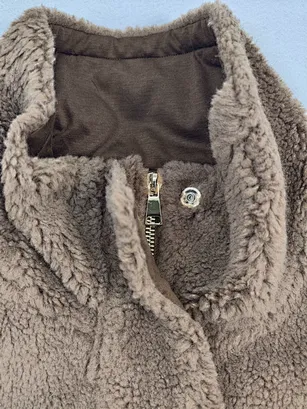
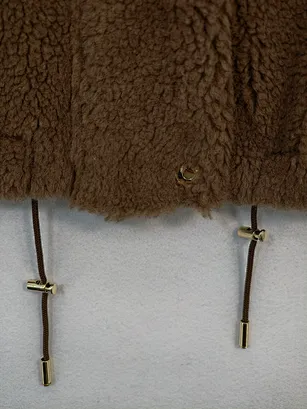
| Design details | Full front zipper, high collar, side pockets and adjustable drawcord hem |
| Suitable for | Lifestyle outerwear, travel, casualwear and private label layering programs |
Warm Sherpa Shell with a Softer Jersey Interior
400 GSM Recycled Polyester and Wool Outer
The shell combines 90% recycled polyester with 10% wool in a 400 GSM Sherpa construction. Recycled polyester supports pile consistency and durability, while the wool content adds a drier, more natural touch to the surface. The substantial weight gives the vest enough body to retain its outline when worn open or zipped.
150 GSM Lyocell-Blend Jersey Lining
The lining uses 50% lyocell, 40% acrylic and 10% wool. Its jersey structure is softer and more flexible than a conventional smooth woven lining, creating a less slippery interior with a comfortable hand. The shell and lining must be tested together because their stretch, shrinkage and pressing responses are different.
Managing Bulk at the Zipper, Armholes and Hem
The main production challenge is controlling a lofty Sherpa shell against a lighter knit lining. Seam allowances around the zipper and armholes should remain flat without crushing the pile or allowing the lining to roll outward. Zipper length, collar height and front-edge balance also need to be checked as one system.
The adjustable drawcord hem allows the wearer to change the lower silhouette. Cord channel width, exit position and hem gathering should remain symmetrical. In-line inspection should also cover pile direction, pocket placement, lining ease and finished body length before bulk production.
A Flexible Layer for Seasonal Merchandising
The vest can be styled over hoodies, fine-gauge knitwear, fitted jersey tops and lightweight sweatshirts. Its solid pile surface gives brands a versatile alternative to highly patterned Sherpa, while the wool blend and recycled content support a more material-led product story. It is intended for casual layering rather than technical weather protection.
OEM Adjustments for Outerwear Collections
Recycled Sherpa vest development may include:
- Custom shell colors, pile density and wool percentage
- Alternative jersey lining colors, weights and compositions
- Changes to collar height, body length, pocket shape and hem adjustment
- Custom zipper tape, pullers, cord ends and hardware finishes
- Woven labels, care labels, hangtags and branded packaging
Buyer FAQs for Material and Fit Approval
Why use jersey lining inside Sherpa?
Jersey creates a softer, more flexible interior and works well for casual layering, but its stretch and shrinkage must be matched carefully with the outer shell.
Can the recycled content and wool percentage be adjusted?
Material direction can be discussed during development, subject to yarn availability, target hand feel and testing requirements.
What should be reviewed before bulk booking?
Priority checks include shell-to-lining compatibility, zipper flatness, armhole finish, pile consistency, drawcord balance and wash stability.
Confirming Shell–Lining Compatibility Before Bulk Booking
The approved sample should be reviewed for lining ease, pile recovery, zipper operation, collar balance, pocket position and hem adjustment. For an accurate quotation, provide the target quantity, size range, preferred colors, hardware direction, branding requirements and any technical files.