
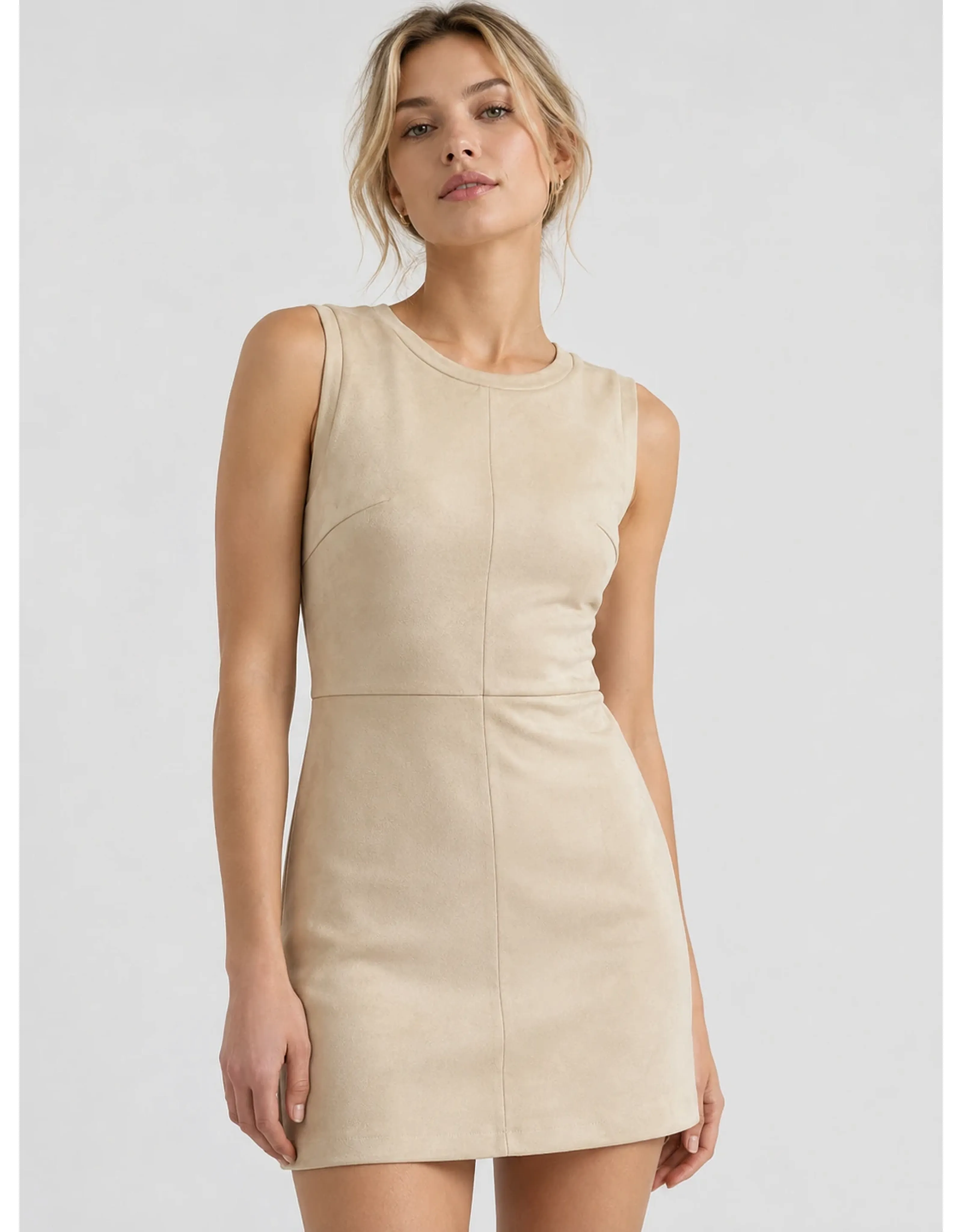
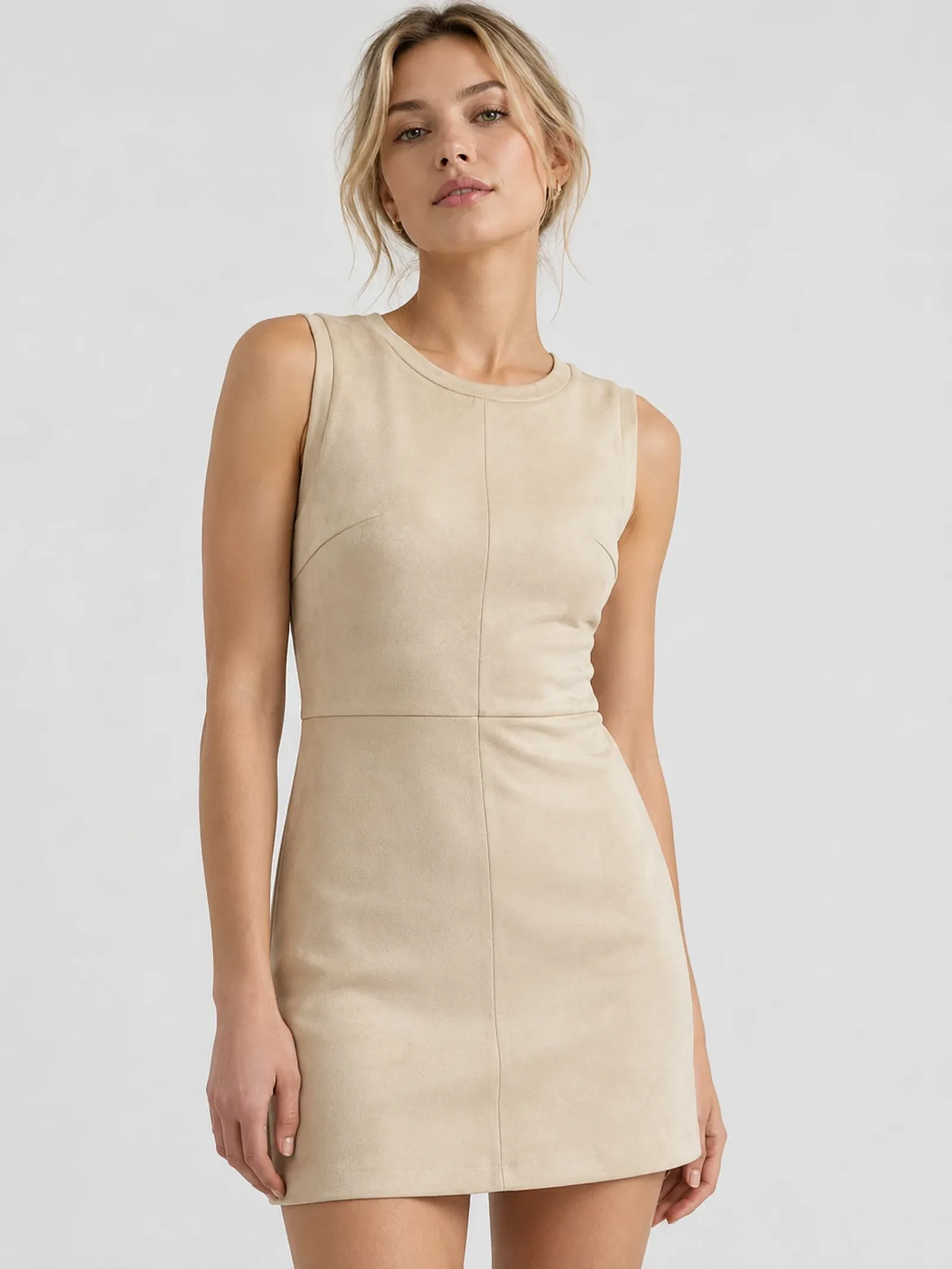
Peach-Brushed Stretch Suede Mini Dress Factory











Fabric, wash, decoration, branding, and sampling — aligned to your program from first
sketch to bulk delivery.
Customization & Development
Product Details
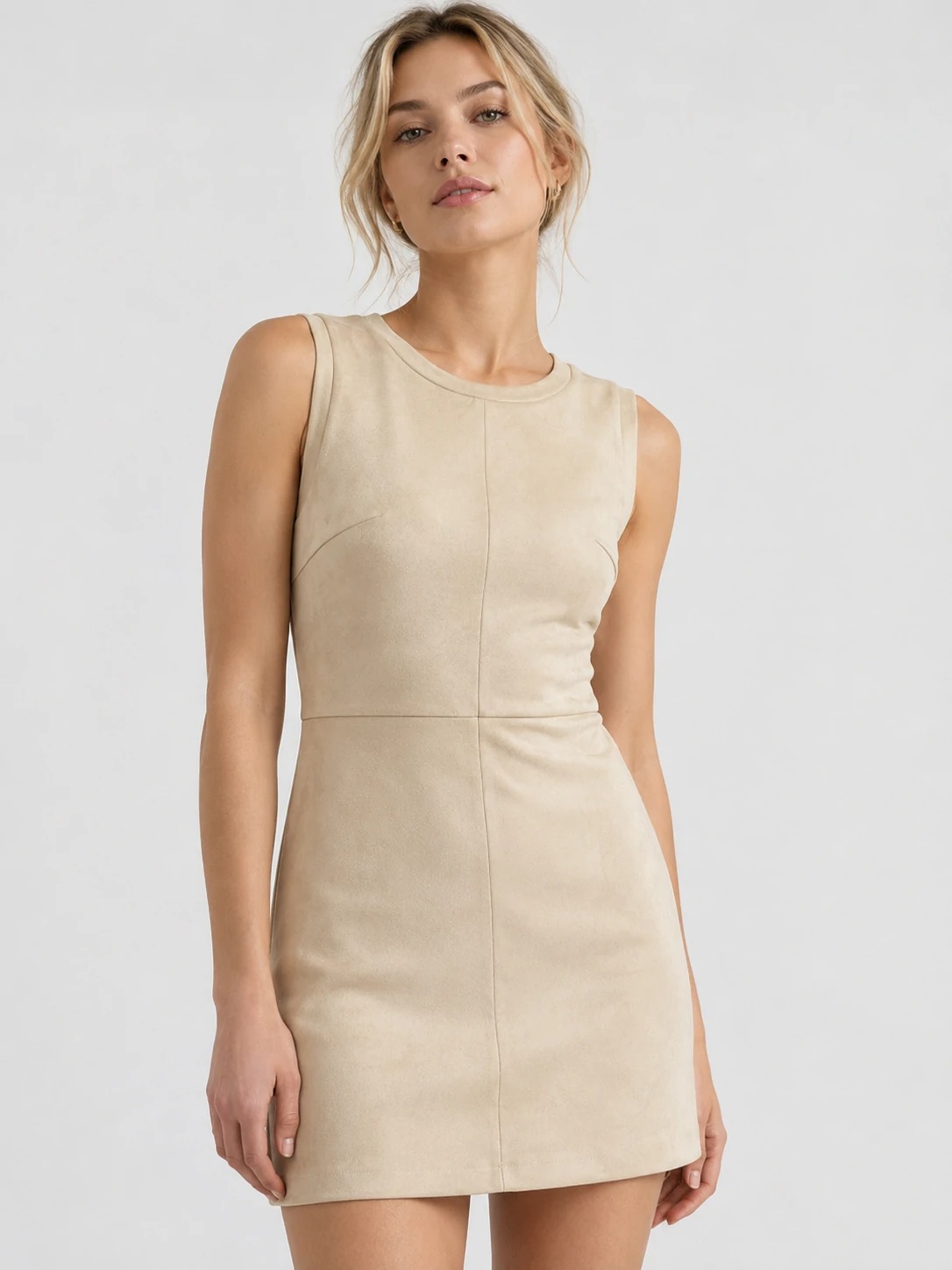
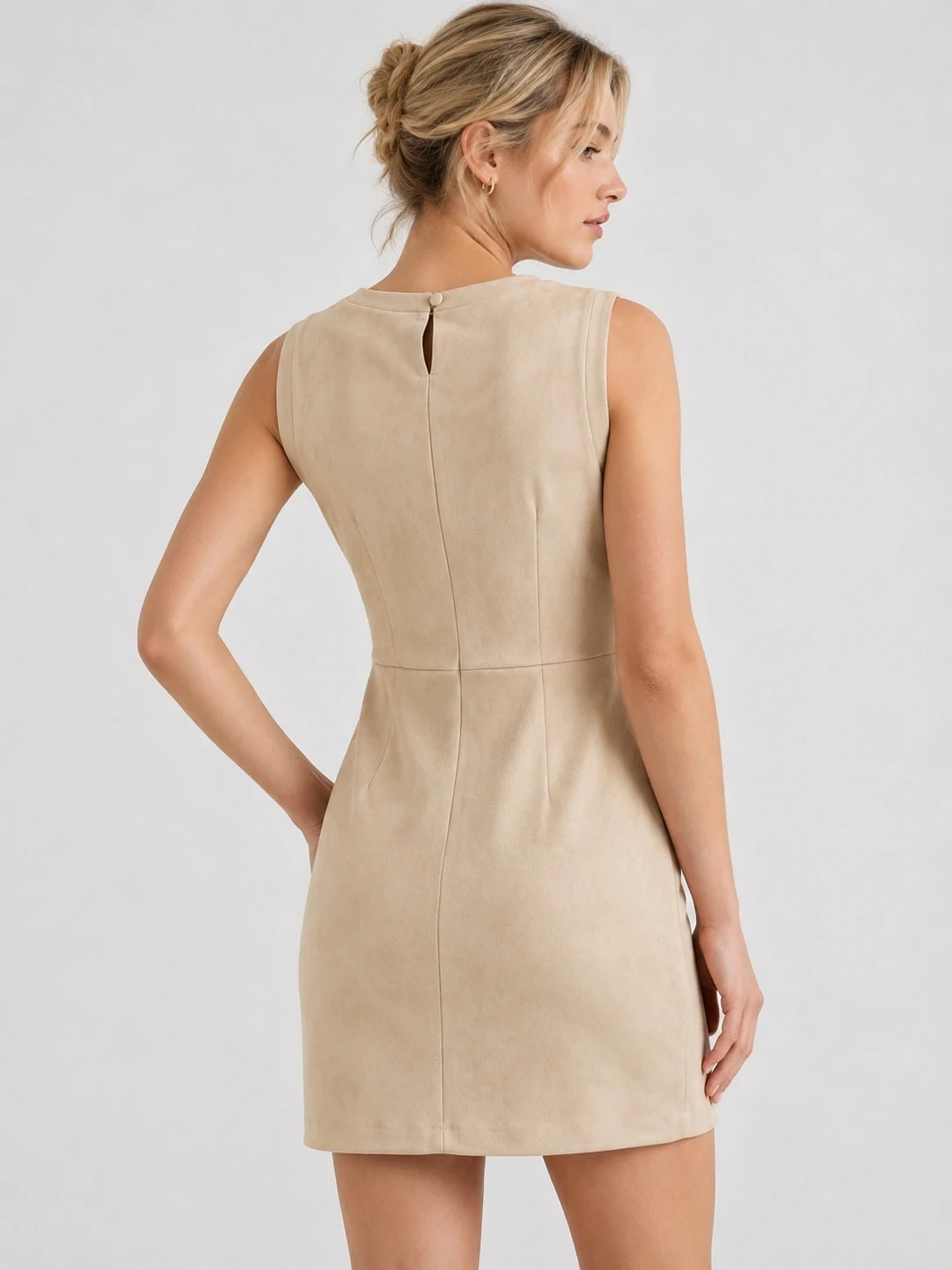
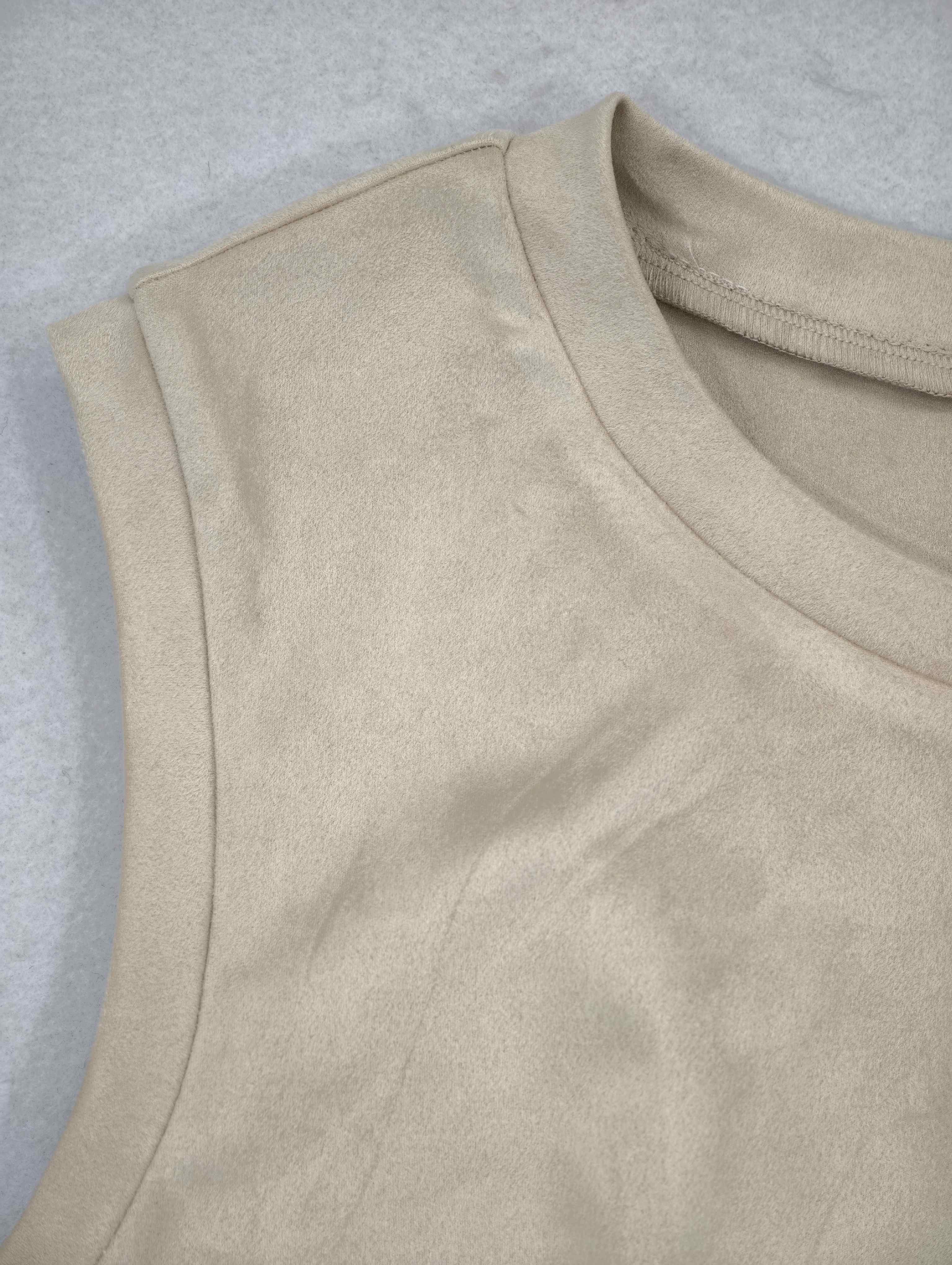
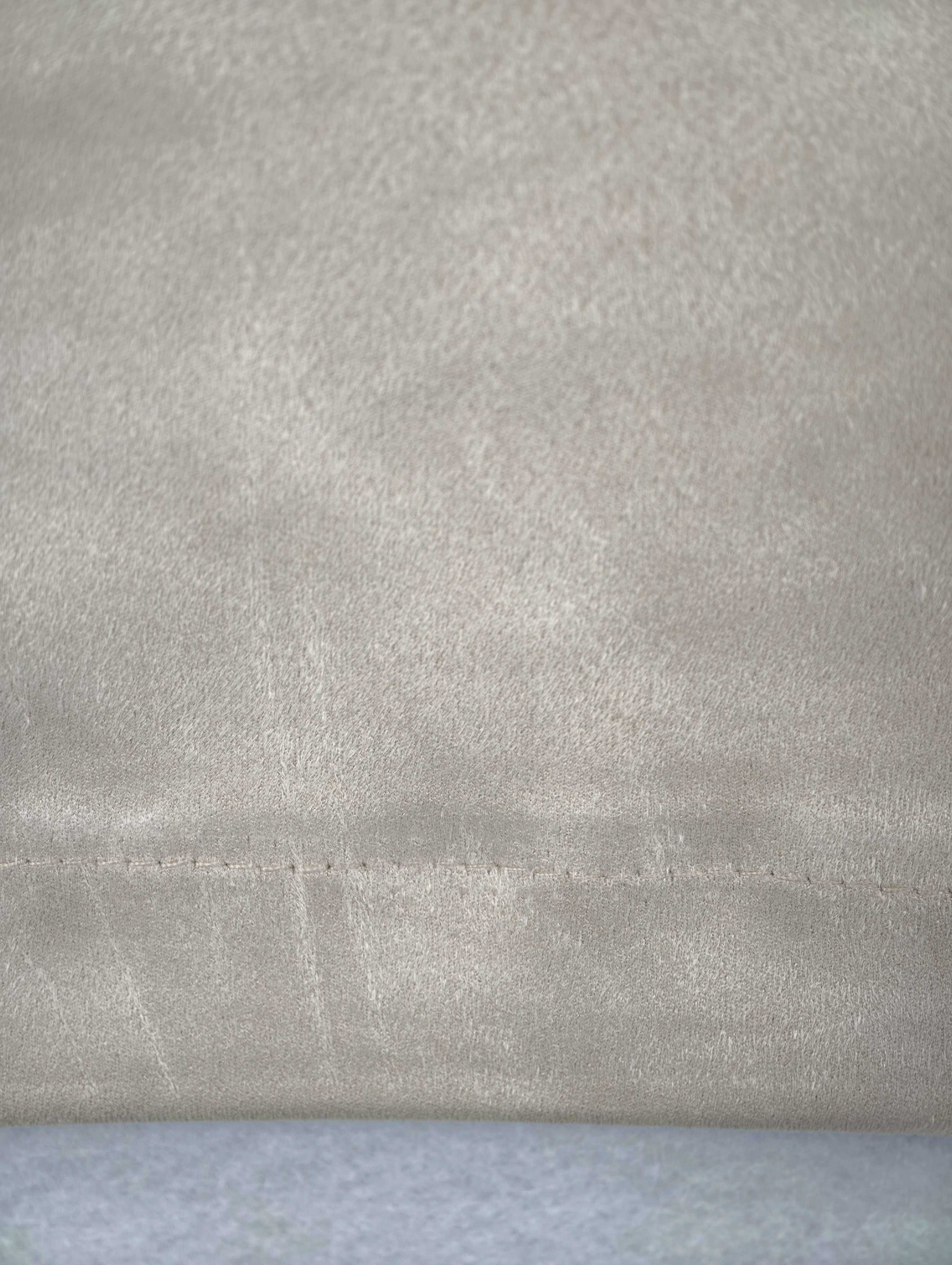
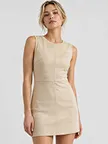
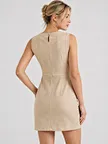
This women’s structured stretch mini dress is shaped with a close upper body, a defined waist and a lightly flared short skirt. A clean round neckline keeps the front understated, while the center seam, curved bust seams and waist panel create the fit through construction rather than surface decoration. The result suits contemporary womenswear, smart-casual capsules and day-to-evening collections that need a compact dress with a polished, easy-to-style silhouette.
| Main fabric | 350 GSM: 90% polyester, 10% spandex |
|---|---|
| Fit | Fitted bodice with a lightly flared mini silhouette |
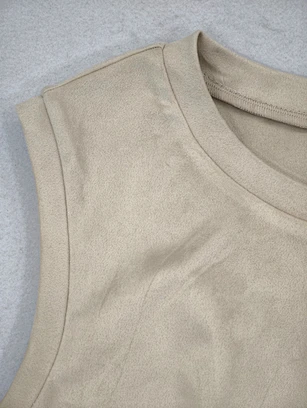
| Neckline | Clean round neckline with sleeveless armholes |
| Design details | Center-front seam, curved bust seams, waist seam and shaped side panels |
| Suitable for | Contemporary womenswear, smart-casual, capsule and private label dress collections |
Dense Stretch Fabric for a Controlled Silhouette
350 GSM Polyester-Spandex Construction
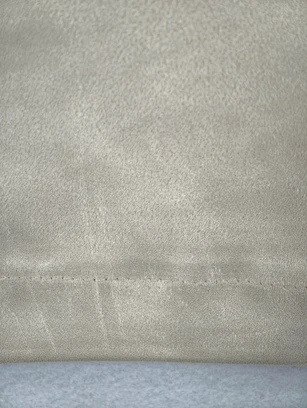
The fabric combines 90% polyester with 10% spandex at 350 GSM. The weight gives the dress enough body to support the shaped seams and keep the short skirt from appearing overly light. Polyester helps maintain a clean surface and dimensional stability, while the spandex content provides stretch and recovery for a closer fit through the chest, waist and upper hip.
Structure Without a Rigid Feel
A dress at this weight needs to hold its outline while still allowing comfortable movement. Stretch recovery is particularly important around the neckline, armholes and waist seam, where repeated wear can otherwise change the fit. During development, the fabric should be evaluated for seam impression, edge stability and how it responds to pressing so the finished surface remains smooth.
Contour Seams, Waist Placement and Fit Accuracy
The front construction uses a vertical center seam together with curved shaping lines through the bust and side body. These seams need to meet cleanly at the waist so the dress remains balanced from left to right. Small changes in seam position can alter the visual proportion of the bodice, particularly on a plain fabric where the construction lines are clearly visible.
Sampling and in-line inspection should check neckline shape, armhole symmetry, bust contour, waist level, side-seam balance and hem evenness. Seam stretch also needs control so the panels do not ripple or become distorted during sewing. These checks help preserve the approved fit through repeatable bulk production.
A Versatile Base for Modern Dress Collections
The sleeveless mini length makes this style suitable for smart-casual, contemporary workwear and day-to-evening ranges. It can be worn alone in warmer seasons or layered with a cropped jacket, cardigan or lightweight coat. The restrained neckline and visible shaping seams also allow brands to develop the dress in neutral shades, seasonal colors or coordinated capsule programs without relying on additional embellishment.
Brand-Level Adjustments for Fit and Finish
Women’s dress development may include:
- Custom colors and alternative polyester-spandex fabric directions
- Adjustments to body length, skirt flare and waist position
- Revisions to neckline shape, armhole depth and contour seams
- Alternative internal finishing and closure construction after review
- Embroidery, heat-transfer branding or subtle logo placement
- Woven labels, care labels, hangtags and branded packaging
Development can follow a tech pack, reference garment or revised fit brief. Any change to fabric weight, seam placement or skirt proportion should be reviewed in a new sample because these elements directly affect support, movement and the overall balance of the dress.
Fit Approval Before Bulk Booking
Before confirming production, the sample should be reviewed for bust shaping, waist placement, armhole comfort, seam smoothness, skirt balance and overall length. Order quantities can be discussed according to fabric availability, custom color requirements and finishing details. For an accurate quotation, provide the target quantity, size range, preferred colors, branding needs and any reference measurements or technical files.