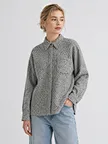
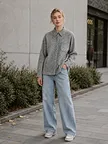
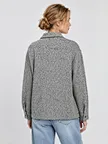
350 GSM Wool-Blend Knitted Tweed Jersey Overshirt Factory










Fabric, wash, decoration, branding, and sampling — aligned to your program from first
sketch to bulk delivery.
Customization & Development
Product Details
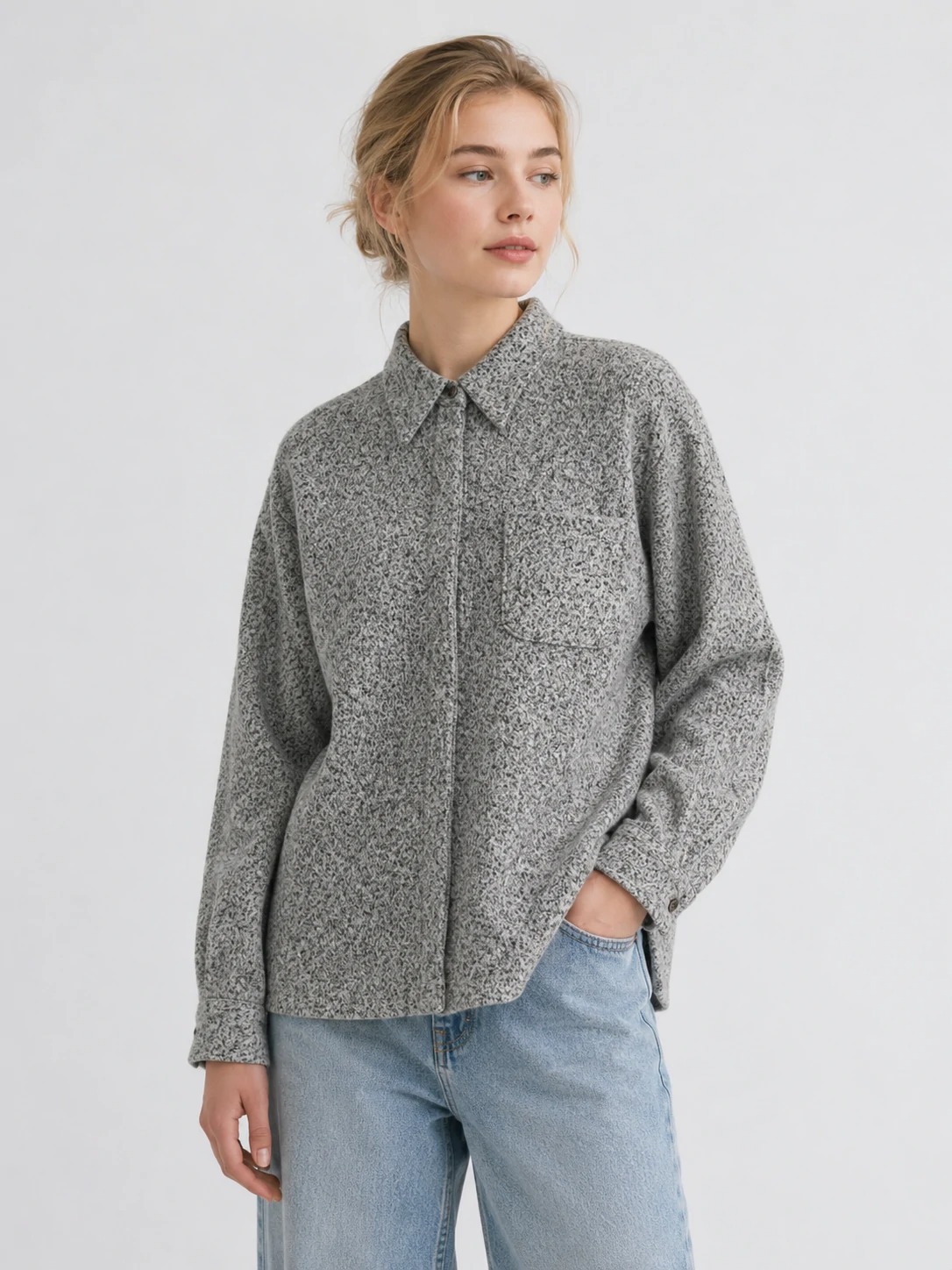
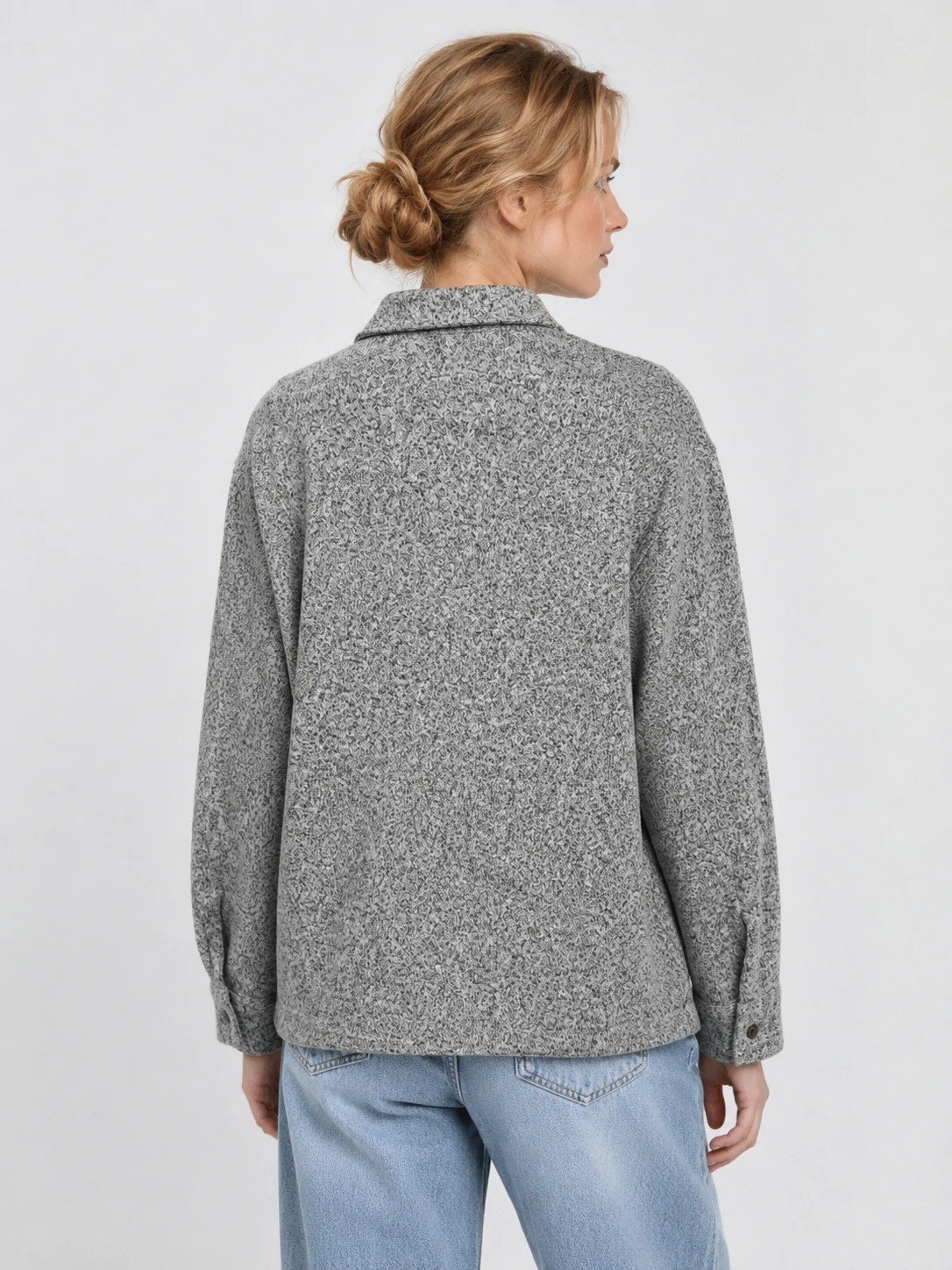
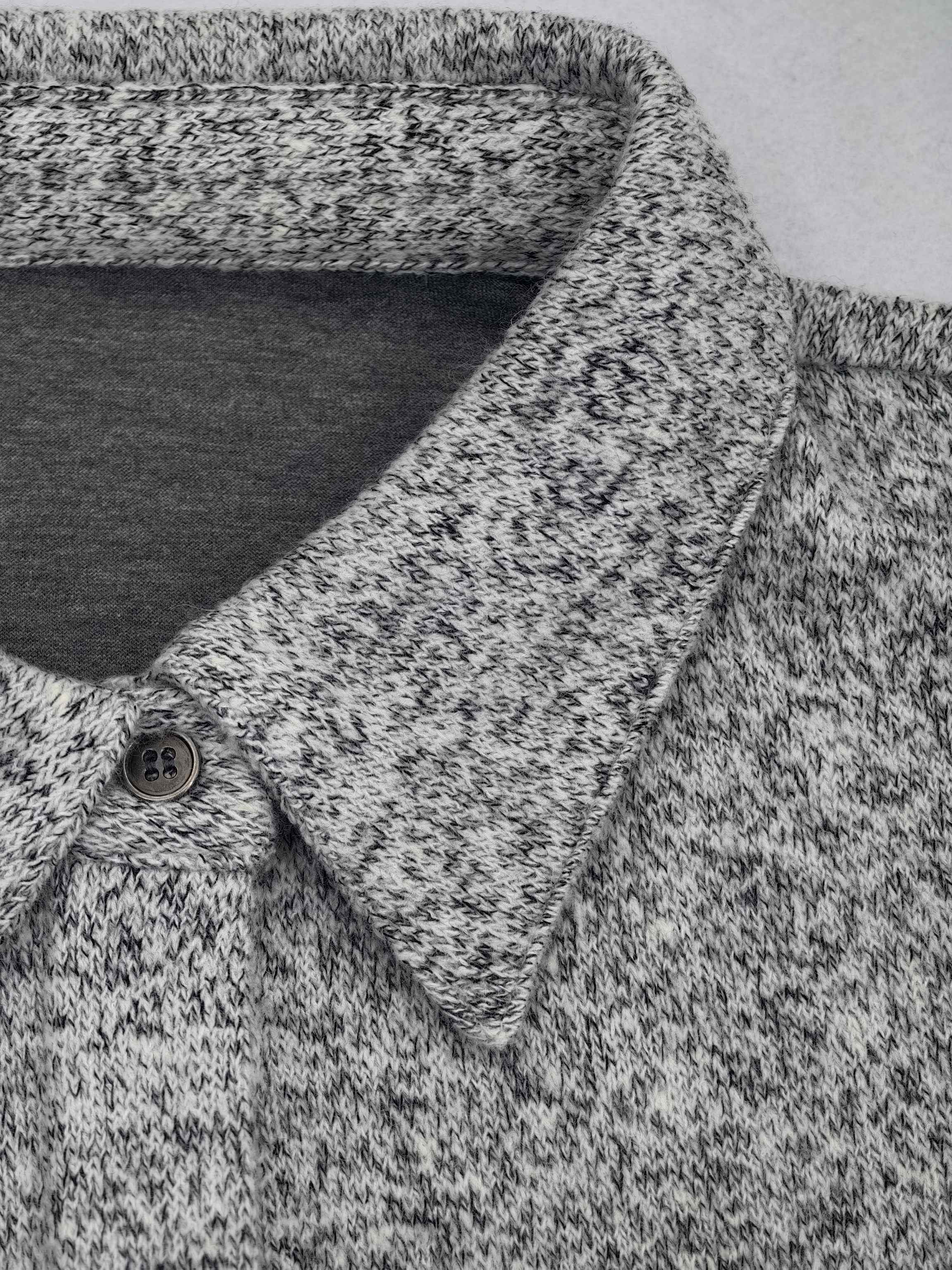
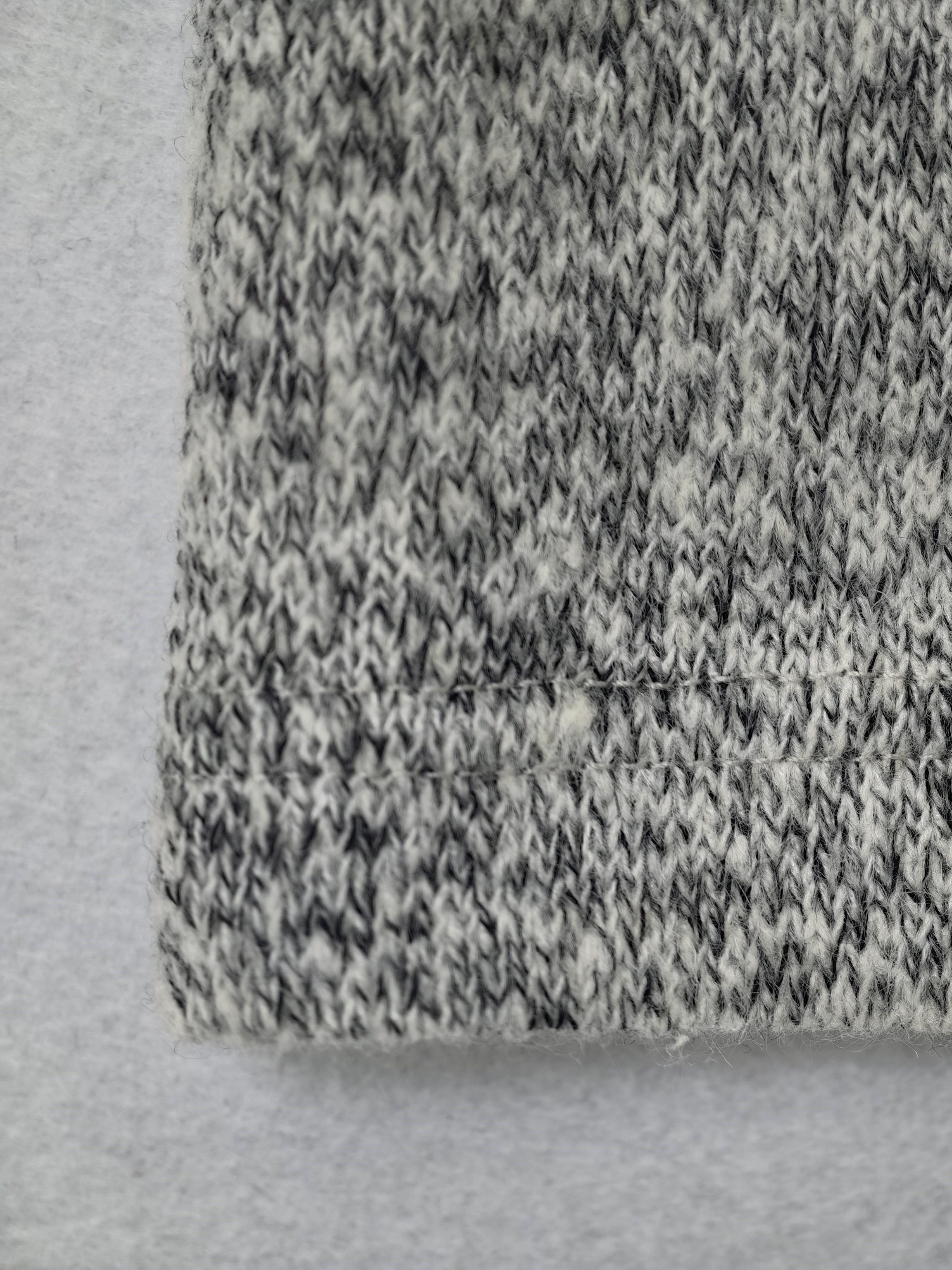
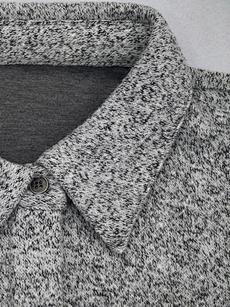
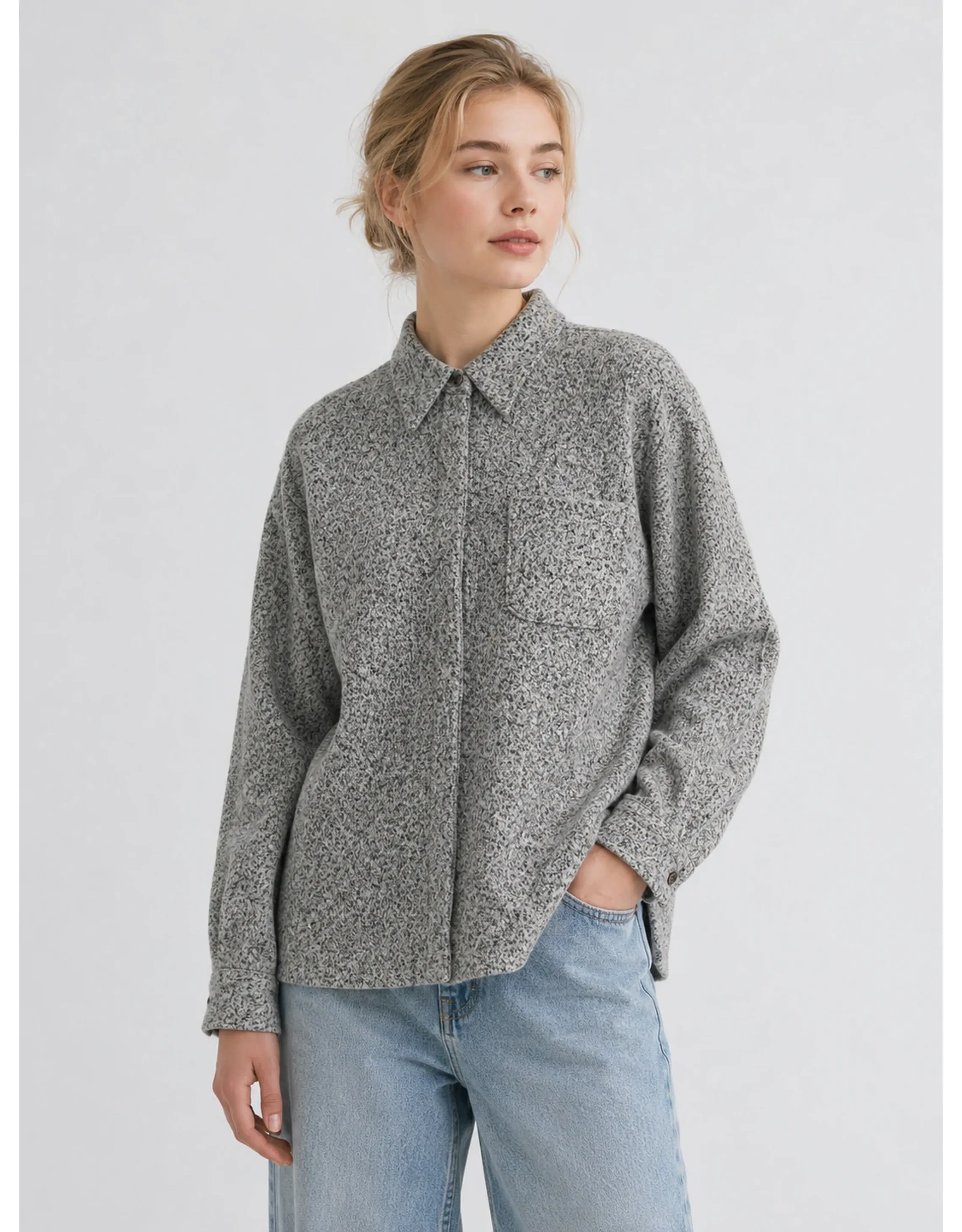
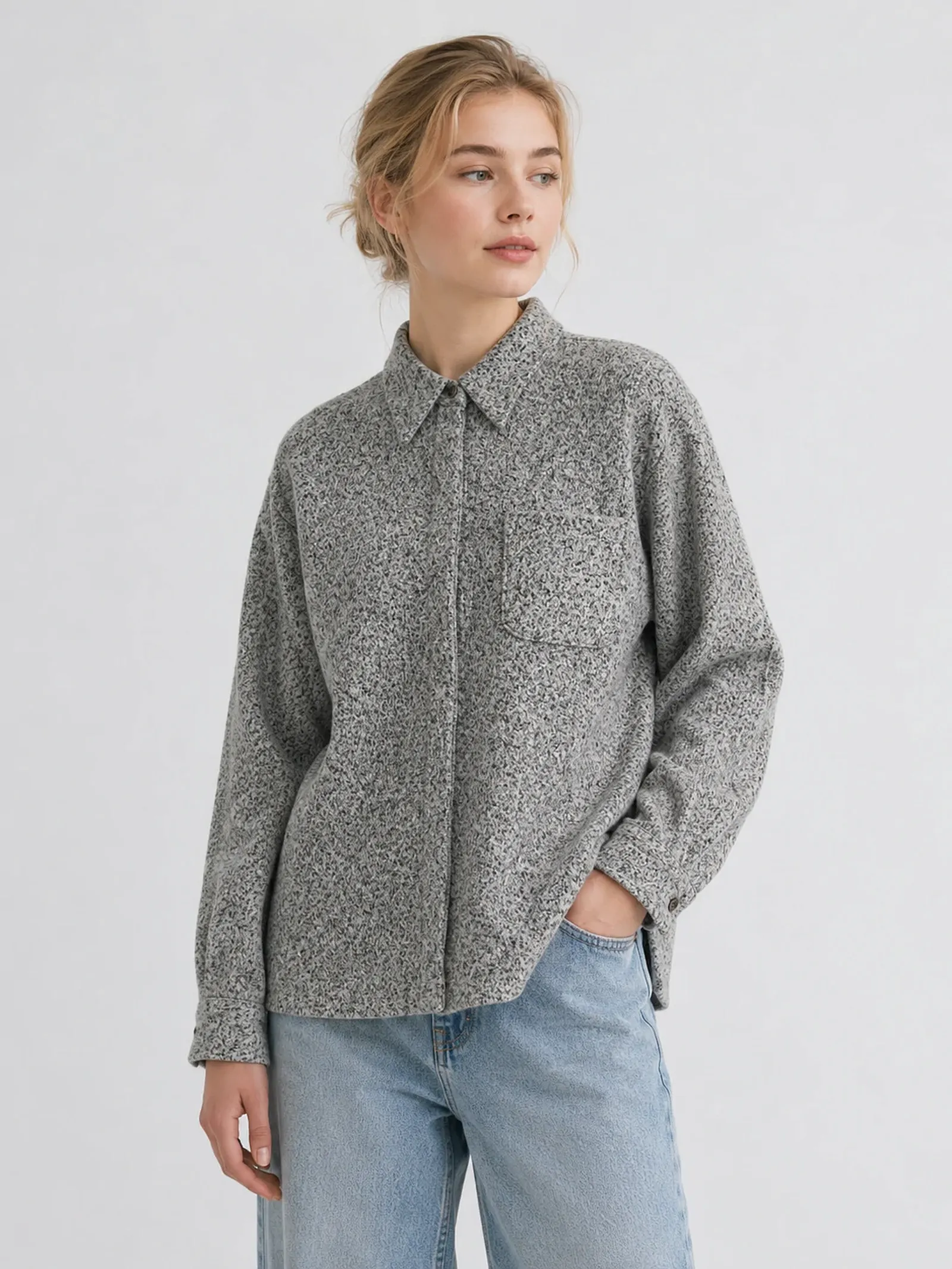
This textured wool-blend shirt jacket combines the familiar structure of a collared shirt with the weight and coverage of a light layering piece. The relaxed body, long sleeves and concealed front opening keep the silhouette clean, while the grey mélange surface gives the garment more depth than a flat solid fabric. A single chest pocket and buttoned cuffs retain the practical character of an overshirt without making the design feel overly utilitarian.
| Main fabric | 350 GSM blend: 68% polyester, 8% nylon, 8% acrylic, 8% viscose, 5% wool, 3% spandex |
|---|---|
| Fit | Relaxed long-sleeve overshirt silhouette |
| Front construction | Point collar with concealed button placket |
| Functional details | Single chest pocket and buttoned sleeve cuffs |
| Collection use | Contemporary casualwear, transitional layering and smart lifestyle programs |
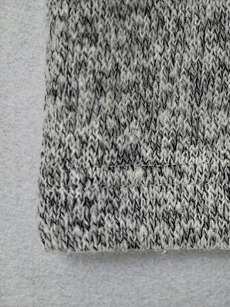
A Dense Mixed-Fiber Fabric with a Soft Wool-Touch Surface
Balancing Warmth, Stability and Drape
Polyester forms the largest share of the blend and supports dimensional stability in a garment with a clean shirt structure. Nylon contributes strength, while acrylic and wool help create a warmer, softer surface character. Viscose moderates the hand and drape, and 3% spandex allows easier movement through the shoulder and sleeve areas.
Using 350 GSM Without Making the Shirt Feel Rigid
At 350 GSM, the fabric has enough substance to function as an overshirt rather than a lightweight blouse. Pattern ease and seam construction should prevent the garment from becoming bulky around the collar, cuffs and front placket. Fabric approval should cover pilling, recovery, shrinkage and surface consistency across the mélange color.
Holding Shirt Architecture in a Softer Fabric
The collar must retain a clear edge while still rolling naturally around the neckline. Interlining weight should be selected carefully: excessive stiffness would conflict with the relaxed body, while insufficient support may cause the collar points to collapse.
The concealed placket creates a minimal front, so any waviness or uneven button spacing becomes more noticeable. Pocket placement should remain level and square to the front panel. Sleeve length, cuff circumference and shoulder balance should be confirmed on the worn sample before bulk production.
A Transitional Layer for Contemporary Collections
This piece can be worn as a shirt over a base layer or styled open as a lightweight jacket. The grey textured surface pairs easily with denim, tailored trousers and neutral knitwear, making it suitable for autumn, transitional and indoor layering programs. Its restrained design also supports repeat seasonal recoloring.
Development Options for Wool-Blend Overshirts
Apparel program development may include:
- Custom mélange colors and alternative mixed-fiber fabric weights
- Adjustments to body length, shoulder drop and sleeve volume
- Different collar proportions, placket constructions and cuff shapes
- Optional patch pockets, side slits or lightweight lining
- Labels, buttons, hangtags and customized packaging
Buyer FAQs for Textured Shirt Jackets
Is this better classified as a shirt or a jacket?
Its shirt collar and placket give it a shirt structure, while the 350 GSM fabric allows it to function as a light overshirt or shirt jacket.
Does the 5% wool content require special care testing?
Yes. Dimensional change, pilling, surface appearance and care-label instructions should be confirmed on the complete blended fabric.
What should be checked before production?
Priority checks include collar shape, placket flatness, pocket position, cuff balance, surface pilling and washed measurements.
Balancing Collar Roll and Placket Flatness Before Grading
Review the approved sample for collar support, concealed-placket alignment, pocket placement, sleeve movement, surface texture and finished length. Sampling and custom overshirt production can be coordinated with alternative colors, trims or fit directions. For quotation, provide the target quantity, size range, color references, button requirements, branding details and technical files.