7 Activewear Trends for 2027: Key Styles for Brand Collections
Article Overview
Activewear in 2027 is moving beyond a wardrobe built mainly around leggings, sports bras and basic performance tops. The category is becoming more varied in silhouette, with wrap tops, relaxed pants, retro shorts, tennis-inspired skorts and lightweight layering pieces creating more options for studio, training and everyday wear.
One of the clearest directions is the continued crossover between performance and lifestyle dressing. A product may still need stretch, recovery and freedom of movement, but buyers are also looking at how easily it can move from Pilates or training into commuting, travel and casual styling.
For brands developing upcoming collections, that makes trend selection more practical than simply following a new look. Each silhouette needs to work with the right fabric weight, stretch, construction, fit and end use. The following seven styles show how these 2027 activewear trends can translate into actual product development.
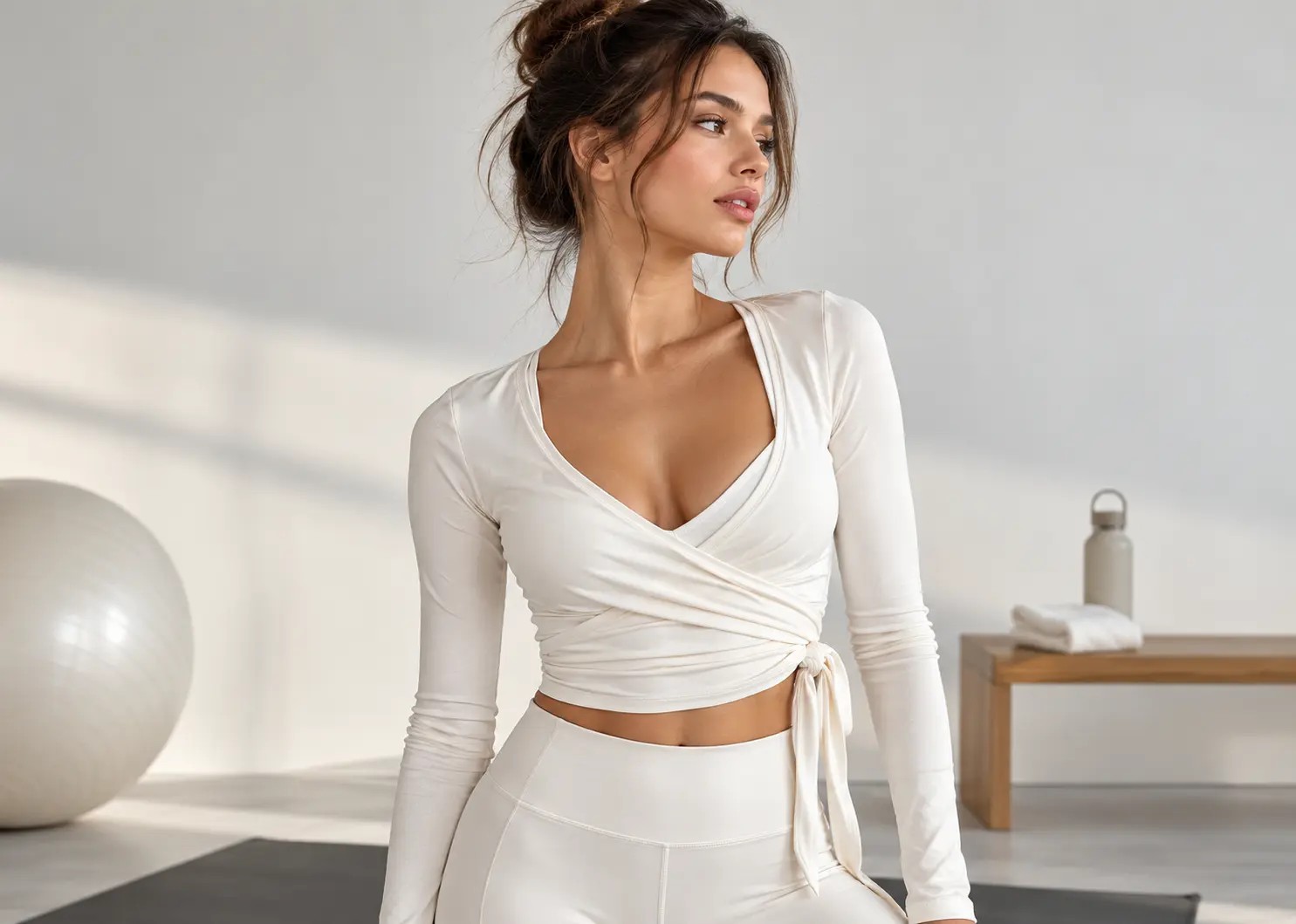
1. Wrap & Crossover Activewear Tops – Soft, Feminine and Studio-Ready
Wrap and crossover tops introduce a softer silhouette to activewear without moving too far away from familiar studio dressing. Instead of a conventional fitted long-sleeve top, the overlapping front creates shape around the waist and neckline while still working naturally over a sports bra or fitted base layer.
This makes the style particularly relevant to yoga, Pilates and lifestyle-focused collections, where customers often want pieces that feel appropriate both inside and outside the studio. Cropped versions can coordinate with high-rise leggings or skorts, while slightly longer wrap shapes can create a more relaxed layering piece.
Key Design Details
- Cross-front or overlapping wrap construction
- V-neck or softly shaped neckline
- Long sleeves or fitted cropped sleeves
- Fixed or adjustable waist ties
- Cropped or waist-length proportions
Lightweight stretch jersey is a natural fabric direction because it allows the front panels to drape without becoming bulky. However, softness alone is not enough. The fabric also needs sufficient recovery so the neckline and crossover area remain stable after repeated movement and wear.
Development focus: Check front coverage, crossover depth, tie position, neckline recovery and hem balance on the body. Because the front panels overlap, small changes in stretch or fabric weight can noticeably change both coverage and fit.
wrap-crossover-activewear-top-2027
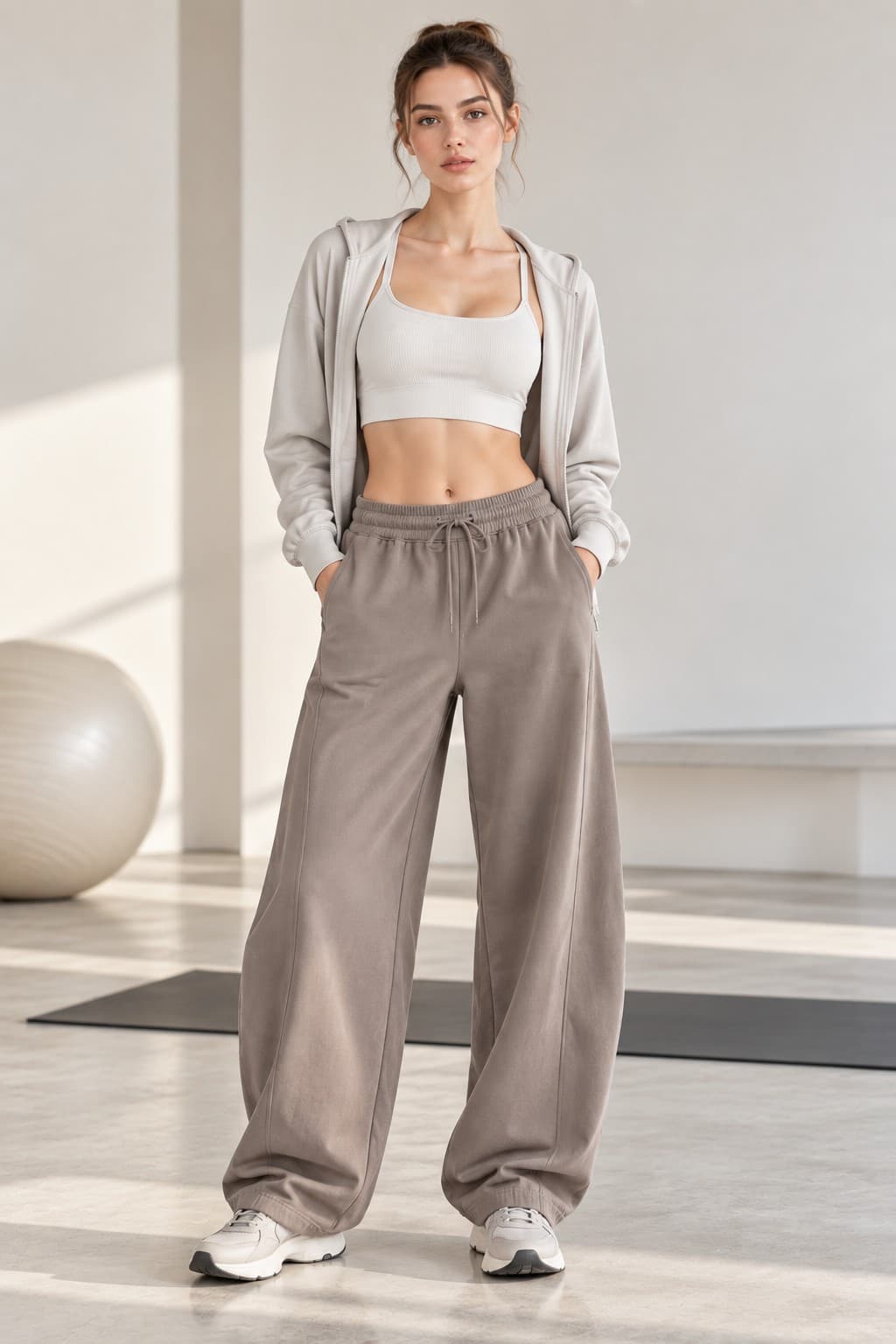
2. Barrel-Leg Active Pants – A Relaxed Alternative to Leggings
After years of close-fitting leggings dominating activewear bottoms, barrel-leg pants offer a visibly different proportion. The silhouette adds room through the hip and leg before narrowing toward the hem, creating a relaxed shape that still feels controlled rather than simply oversized.
For activewear collections, the opportunity is less about replacing performance leggings and more about expanding the wardrobe around them. Barrel-leg pants can work particularly well for studio warm-ups, travel, light activity and everyday athleisure, giving brands a bottom that connects active and casual categories.
Key Design Details
- High-rise or mid-rise waistband
- Volume through the hip and upper leg
- Curved side seam or shaped leg
- Gently tapered hem
- Elastic or internal drawcord waistband
- Functional side or back pockets
The fabric needs enough body to hold the curved silhouette but should not feel excessively stiff. Fabrics designed for high-compression leggings may restrict the intended volume, while very soft fabrics can collapse and make the shape look more like ordinary wide-leg pants.
Development focus: Pattern balance is critical. Check the hip volume, knee position, leg curve and hem opening together rather than adjusting each measurement independently. The wider pattern can also increase fabric consumption, which should be reflected in early costing.
barrel-leg-active-pants-2027
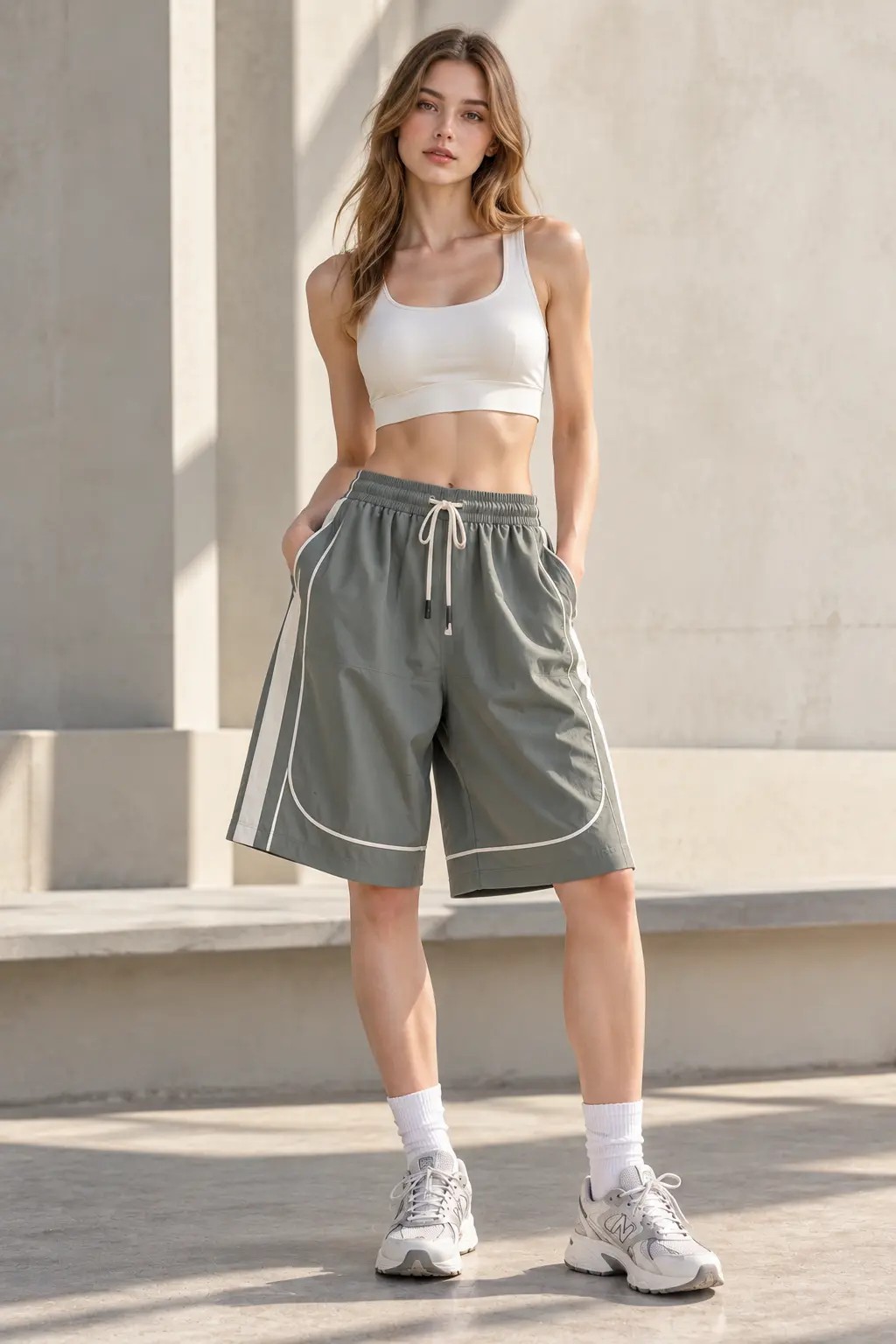
3. Oversized Retro Active Shorts – Sporty with a 2000s Influence
Active shorts are also becoming less dependent on short, body-hugging silhouettes. Longer and more relaxed proportions bring a retro sportswear influence into the category, creating an option that can move between training, running-inspired styling and everyday wear.
The silhouette can be interpreted in different ways. Lightweight woven nylon gives it a technical sports direction, while cotton-rich fabrics create a softer lifestyle product. Contrast piping, side panels, drawcords and athletic-inspired trims can reinforce the retro reference without making the garment feel like a replica of traditional teamwear.
Key Design Details
- Longer inseam
- Relaxed leg opening
- Elasticated waistband
- Internal or external drawcord
- Side-entry pockets
- Contrast piping or panel details
Fabric choice should follow the intended activity. A lightweight woven can keep the short breathable and quick-drying, while a softer knit or cotton blend shifts the product toward casual activewear.
Development focus: Inseam, rise, leg opening and waistband height need to be evaluated as one proportion. Making the short wider without adjusting its length or rise can quickly make the garment look poorly fitted rather than intentionally relaxed.
oversized-retro-active-shorts-2027
4. Tennis Skorts – From Courtwear to Studio-to-Street
The tennis skort continues to expand beyond traditional courtwear. Its combination of a skirt appearance and built-in shorts gives brands a product that can balance movement, coverage and a more feminine silhouette within the same garment.
For 2027 collections, the opportunity extends beyond tennis itself. Cleaner skorts can sit naturally within Pilates, walking, travel and lifestyle activewear, while pleated or contrast-trim versions can retain a stronger sport reference.
Key Design Details
- A-line, straight or softly flared outer skirt
- Integrated stretch shorts
- High-rise supportive waistband
- Clean panels or controlled pleating
- Hidden phone or ball pockets
- Minimal bulk between the two layers
The outer layer and inner short do not necessarily need the same fabric. A lightweight stretch woven can give the skirt cleaner movement, while a stretch jersey inner short can provide closer fit and recovery.
Development focus: Test the skort during walking, bending and sitting—not only in a standing fitting. Inner-short length, skirt coverage, waistband recovery and pocket placement all affect whether the garment remains comfortable and secure during movement.

tennis-skort-activewear-2027
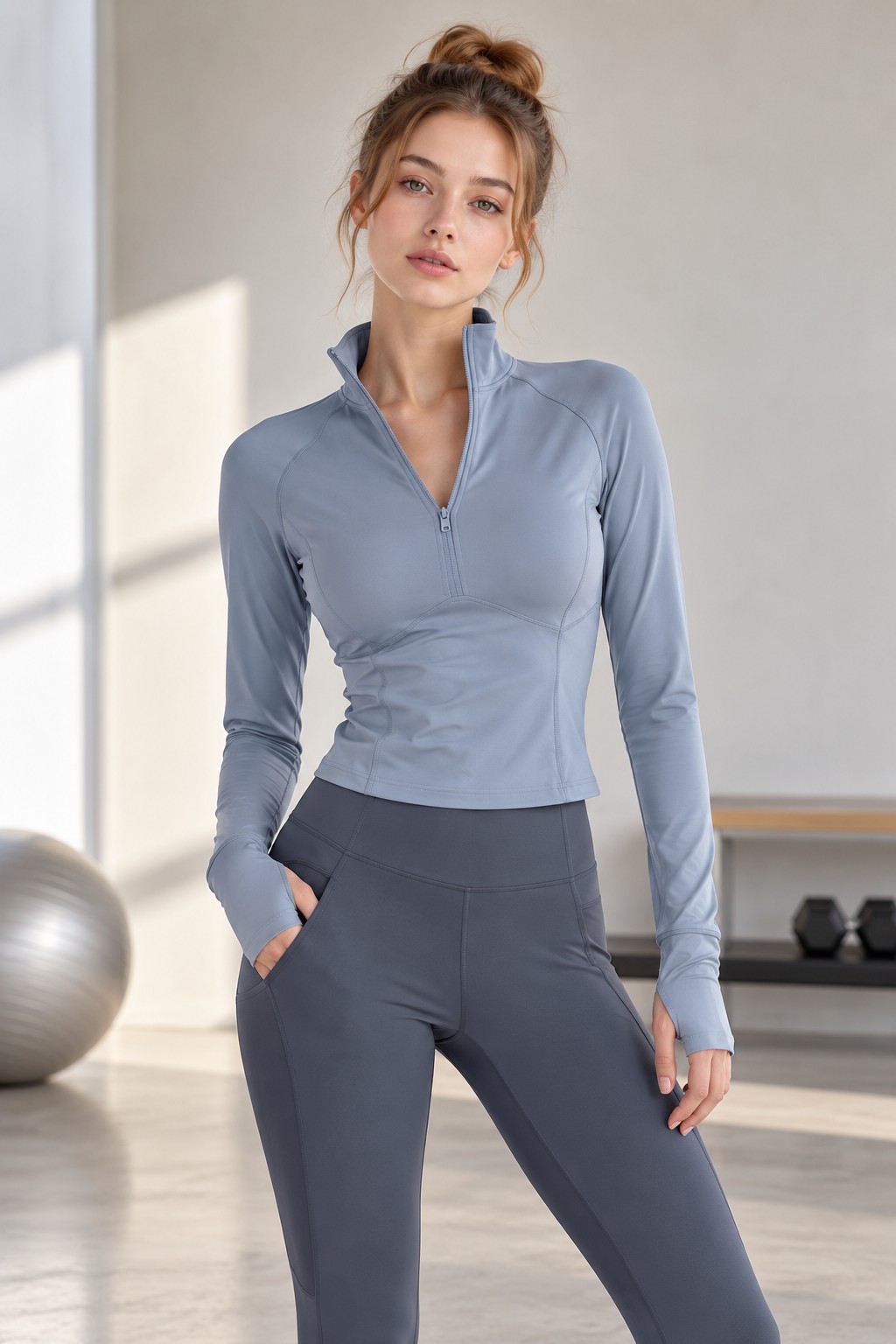
5. Half-Zip Activewear Tops – The New Layering Essential
Half-zips and quarter-zips are becoming a useful middle layer between a fitted training top and a sweatshirt. Their cleaner neckline and adjustable opening give them a more polished appearance than a conventional hoodie while keeping the practicality expected from activewear.
The silhouette can be developed close to the body for running and training, or slightly relaxed for studio warm-ups, commuting and travel. This flexibility also makes the half-zip useful when building coordinated collections around leggings, relaxed pants or shorts.
Key Design Details
- Half-zip or quarter-zip opening
- Clean stand collar
- Fitted, semi-fitted or relaxed body
- Raglan or shaped sleeve options
- Thumbhole cuffs where appropriate
- Minimal external branding
Lightweight stretch jersey creates a closer performance layer, while brushed jersey or slightly heavier double-knit constructions can shift the product toward warm-up and lifestyle use.
Development focus: The zipper and fabric need to be evaluated as one construction. Zipper weight, tape stiffness and neckline structure can affect how the front sits on the body. Collar height, zipper length and seam bulk should therefore be checked during sampling rather than treated as trim details only.
half-zip-activewear-top-2027
6. Modular Active Tops – Convertible Details for More Versatility
Modular active tops bring versatility into the garment itself. Instead of creating several separate styles, adjustable straps, detachable components or convertible constructions can allow one product to be worn in more than one way.
For brands, this can create stronger product differentiation, particularly in fashion-led studio collections. A crop top may convert through strap placement, a tank may include removable components, or a neckline may be adjusted to create different levels of coverage.
Key Design Details
- Detachable or repositionable straps
- Adjustable support structures
- Convertible neckline options
- Removable trims or panels
- Multiple styling configurations
The commercial value depends on whether the function remains intuitive. Adding more components does not automatically make the product better; every adjustment should have a clear purpose and remain comfortable during movement.
Development focus: Test attachment strength, repeated adjustment, wash durability and skin contact. Hooks, sliders, snaps and other small components also affect assembly time and cost, so their specification should be confirmed before bulk quotation rather than added after sample approval.
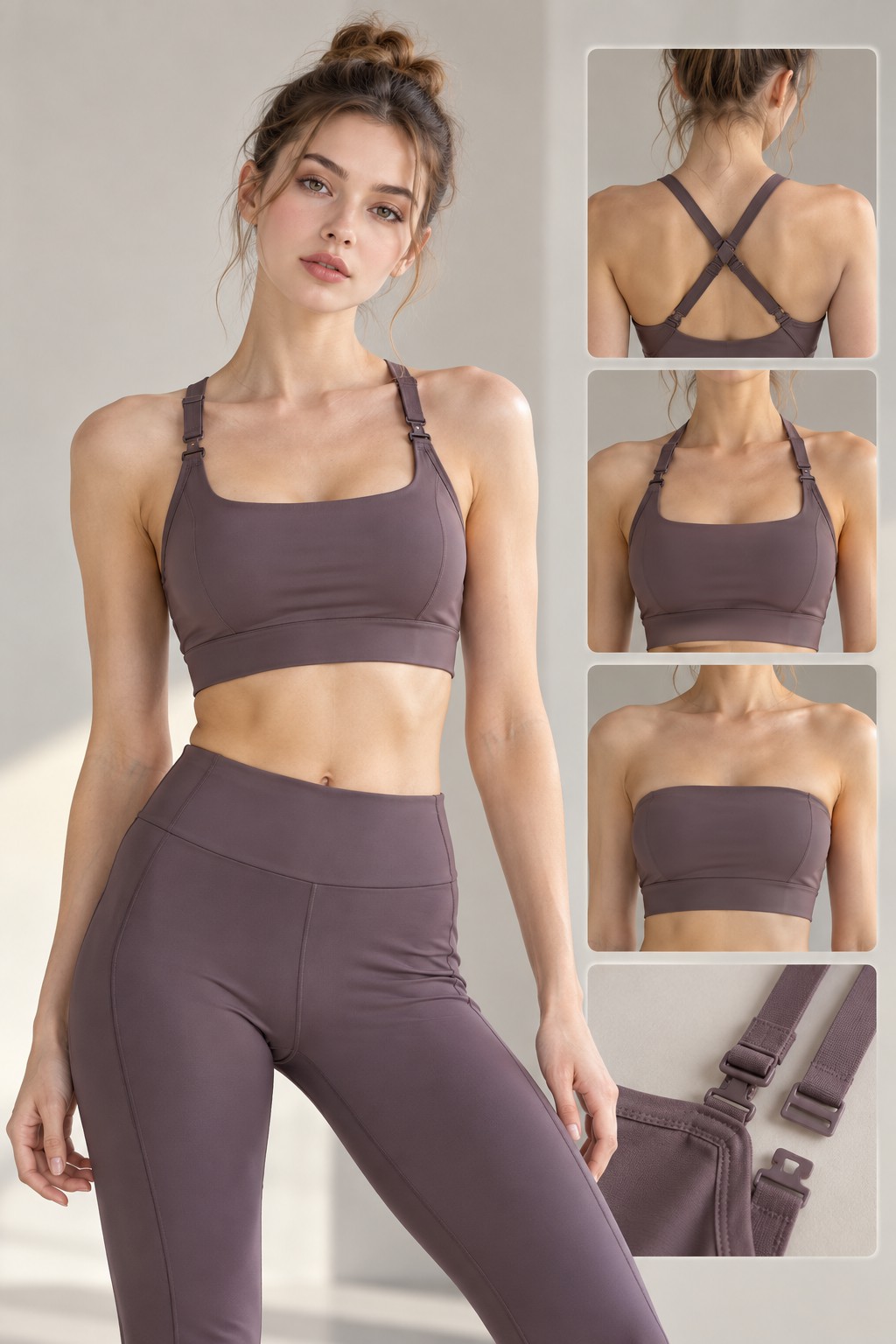
modular-active-top-2027
7. Lightweight Track Jackets – Performance Layers Beyond the Gym
The track jacket is returning in a lighter and more refined form. Rather than functioning as heavy outerwear, these jackets can provide a packable layer for warm-ups, running, travel and transitional weather while still fitting naturally into everyday activewear.
That gives brands room to move beyond the standard hoodie. A clean track jacket can coordinate with active shorts, leggings or relaxed pants, helping a collection feel more complete without requiring a highly technical outerwear program.
Key Design Details
- Lightweight woven construction
- Full-zip front
- Stand collar or lightweight hood
- Elasticated or adjustable cuffs and hem
- Functional zip pockets
- Relaxed or slightly cropped proportions
Lightweight nylon and polyester woven fabrics can create a crisp performance look, while softer woven constructions can make the jacket more suitable for everyday athleisure. Water resistance, breathability and wind protection should only be specified when they match the intended use.
Development focus: Define the function before choosing the fabric. A jacket intended mainly for styling does not need the same testing or construction as a running shell. Fabric weight, zipper quality, pocket construction, seam finish and any weather-protection requirement should be established in the product brief.
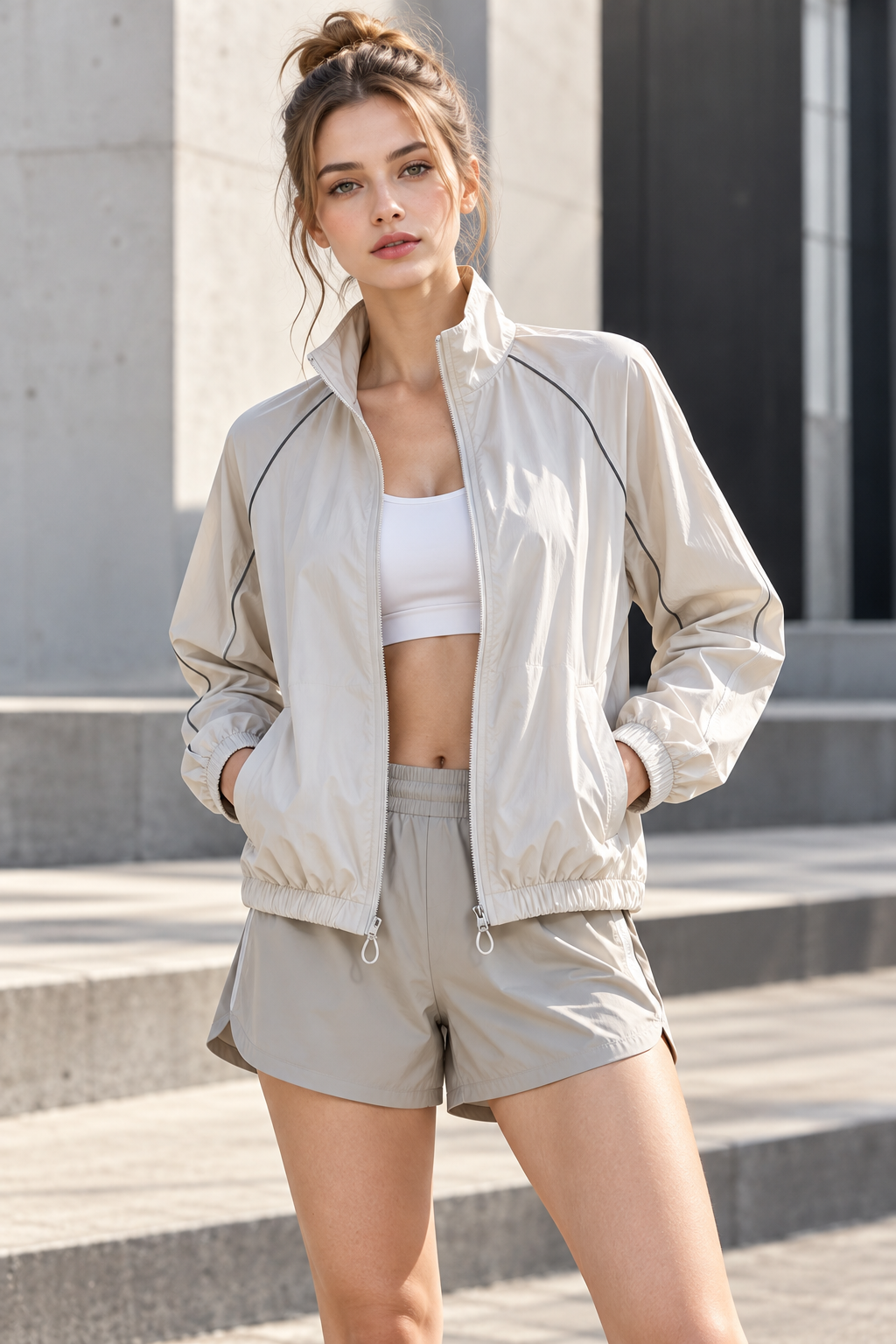
lightweight-track-jacket-2027
How to Turn These Trends into a 2027 Collection
A trend-led collection does not need seven completely new product platforms. In practice, introducing too many new silhouettes, fabrics and constructions at the same time can increase sampling work, costing uncertainty and production risk.
A more controlled approach is to choose the styles that fit the brand's existing customer and build them around compatible materials. For example, a studio-focused capsule could combine a wrap top, barrel-leg pant and tennis skort, with a half-zip added as the layering piece. A more sport-driven collection could pair oversized shorts with a lightweight track jacket and simpler performance tops.
| Style | Best Product Direction | Development Priority |
|---|---|---|
| Wrap tops | Pilates, yoga, studio | Drape, recovery, coverage |
| Barrel-leg pants | Studio, travel, lifestyle | Pattern balance, recovery, consumption |
| Retro shorts | Training, running, lifestyle | Proportion, fabric weight, waistband |
| Tennis skorts | Tennis, Pilates, lifestyle | Inner short, movement, coverage |
| Half-zips | Training, warm-up, everyday | Zipper, collar, recovery |
| Modular tops | Studio, fashion-activewear | Attachment, comfort, durability |
| Track jackets | Running, outdoor, commuter | Weight, protection, breathability |
Using proven fabric platforms where possible can also make a new collection easier to manage. Instead of changing the silhouette, fabric, color and construction simultaneously, brands can keep selected materials familiar while introducing newness through proportion, layering and product details.
What to Confirm Before Activewear Development
Trend references are useful for defining direction, but they are not enough to begin reliable product development. Before sampling, the visual idea needs to be translated into measurable requirements for fabric, fit, construction and performance.
Fabric
- Fiber composition and fabric construction
- GSM and usable fabric width
- Two-way or four-way stretch requirements
- Stretch recovery after repeated movement
- Opacity at the required stretch level
- Shrinkage and dimensional stability
- Colorfastness and pilling requirements
Fit and Construction
- Target silhouette and compression level
- Key garment measurements and tolerances
- Seam type and placement
- Elastic width, tension and recovery
- Pattern grading across the size range
- Pocket, zipper and trim specifications
Production Planning
- Sample development and approval timeline
- Fabric availability or custom development requirements
- Performance and durability testing
- MOQ by style, color and fabric
- Special sewing, bonding or finishing requirements
- Bulk production lead time
These points become particularly important when the trend introduces a new silhouette or construction. A barrel-leg pant may change fabric consumption, a skort adds a second garment layer, and a modular top introduces hardware and additional assembly steps. Identifying those differences before sampling makes costing and production planning more realistic.
Activewear Trends 2027 FAQ
What are the key activewear trends for 2027?
Key style directions include wrap and crossover tops, barrel-leg active pants, oversized retro shorts, tennis skorts, half-zip tops, modular active tops and lightweight track jackets. Together, they show a broader move toward activewear that can work across performance, studio and everyday settings.
Are leggings still important for activewear collections?
Yes. Leggings remain a core activewear product, especially for training, yoga and studio use. The difference is that brands now have more opportunities to build around them with relaxed pants, skorts, shorts and layering pieces rather than relying on leggings as the main bottom silhouette across the entire collection.
Which 2027 activewear styles are suitable for studio-focused brands?
Wrap tops, barrel-leg pants, tennis skorts and lightweight half-zips can work particularly well for studio-oriented collections because they combine movement requirements with softer, more lifestyle-friendly silhouettes.
What fabrics work well for 2027 activewear styles?
There is no single fabric for every trend. Stretch jersey can support fitted studio tops and inner shorts, while lightweight woven fabrics can work better for retro shorts and track jackets. The final specification should be based on stretch, recovery, opacity, breathability, handfeel, durability and the intended activity.
How can brands develop new activewear styles with less production risk?
Start with a clear end use, confirm the silhouette and performance requirements, and use proven fabric platforms where they fit the design. New fabrics, complex trims and unfamiliar constructions can then be introduced selectively rather than changing every variable in the same style.
Plan Your Next Activewear Collection
Turning a trend reference into a production-ready activewear style requires more than matching the appearance. Fabric behavior, fit, construction and intended use need to be considered together from the first sample.
If you are developing activewear for an upcoming collection, share your reference styles, fabric direction and target use so the development process can begin with clearer product requirements.