12 Types of Garment Samples in Apparel Production
Garment sampling does not follow one identical sequence for every apparel order. A new custom style may go through several fit and approval rounds, while a repeat order may use fewer samples because the fabric, pattern and workmanship standards are already established.
Across the full apparel development and production cycle, however, buyers may encounter a range of samples with different purposes. Some are used to develop the design, some verify fit or grading, some support sales and photography, and others become approval, testing or production references.
This guide explains 12 types of garment samples in apparel production, from the first proto sample to shipment-stage references, and shows which samples are commonly required, which are optional, and where different sample names may overlap between brands and manufacturers.
Article Overview
- How Garment Sampling Fits into an Apparel Order
- Development Stage: Proto and Counter Samples
- Fit & Sales Stage: Fit, Size Set, SMS and Photoshoot Samples
- Pre-Production Stage: PP, Gold Seal and GPT Samples
- Production & Shipment Stage: TOP, Shipment and Factory Reference Samples
- 12 Garment Sample Types Compared
- Which Samples Does Your Apparel Order Actually Need?
- FAQ About Garment Sample Types
How Garment Sampling Fits into an Apparel Order
Sampling is not one single approval step. Different samples answer different questions at different moments. Early samples ask whether the design can be developed correctly. Fit samples focus on shape and measurements. Pre-production samples confirm the intended production standard. Production-stage samples check whether actual output is following that standard.
For brands, it is useful to understand the purpose of each sample before asking how many sample rounds are required. Making every possible sample can add unnecessary time and cost, while skipping an important approval stage can create larger problems later.
Turn the design into a physical garment and establish an initial reference for construction and product direction.
Check fit and grading while preparing any samples needed for showroom, buyer presentation or photography.
Confirm final materials, trims, workmanship, performance requirements and the approved manufacturing standard.
Check garments taken from actual production and retain references for shipment, inspection and future comparison.
The exact terminology can vary by buyer. A sealed sample may also be called a gold seal, approved or master sample. A counter sample and a factory reference sample can overlap in some programs. The important point is not the label alone, but what has been approved and what the sample is expected to control.
Development Stage: Proto and Counter Samples
1. Proto Sample
The proto sample is usually the first physical interpretation of a new design. It helps the brand and manufacturer check whether the tech pack, sketch or reference garment has been understood correctly.
At this stage, the focus is usually on overall silhouette, construction, proportions and design feasibility rather than perfect production accuracy. Depending on material availability, a proto sample may use substitute fabric or trims, provided those substitutions are clearly recorded.
A proto sample may lead directly to fit development, or another revised development sample may be required when the first version reveals major construction or proportion changes.

proto-sample-garment-development
2. Counter Sample
A counter sample is generally a duplicate or reference sample kept by the factory or buyer after a style has reached an accepted development point. Its exact timing varies significantly between customers.
For some buyers, a counter sample is created after an approved reference is received so the manufacturer has a physical standard in the sample room or production team. For others, the term may be used more loosely for a duplicate sample during development.
Important distinction: A counter sample is not automatically the second mandatory sample after a proto. In many apparel programs, it functions as a retained reference rather than a separate approval round.

proto-counter-garment-samples
Fit & Sales Stage: Fit, Size Set, SMS and Photoshoot Samples
3. Fit Sample
The fit sample focuses on how the garment sits on the body and whether the measurements, balance and proportions match the intended fit. This stage may involve fitting on a model, mannequin or dress form depending on the product and buyer requirements.
Typical checks include body length, shoulder width, sleeve shape, armhole depth, waist or hip position, rise, leg shape and wearing comfort. Fit comments should be translated into measurable pattern changes rather than vague instructions.
Brands developing a new style can review the broader garment sample making process to understand how tech pack review, measurements and sample comments connect before approval.

fit-sample-garment-measurement
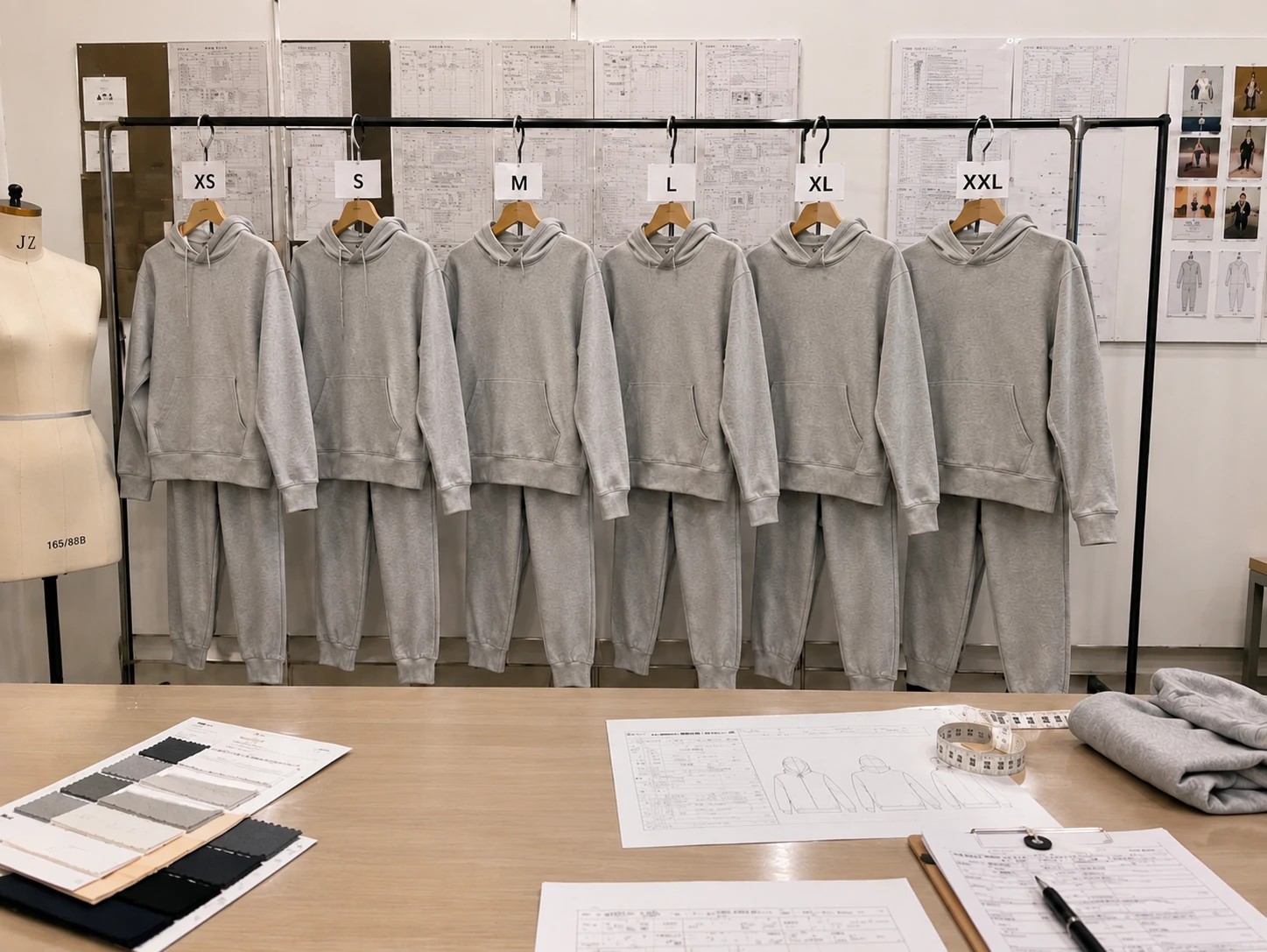
4. Size Set Sample
A fit sample normally confirms one base size. A size set sample checks how the approved fit translates across several sizes after grading.
This is particularly important when the range includes many sizes, when the silhouette is fitted, or when design details such as pockets, prints, panels or trims must remain visually balanced across the size range. A medium sample fitting correctly does not guarantee that an XS or XXL will maintain the same proportion.
size-set-sample-apparel-grading
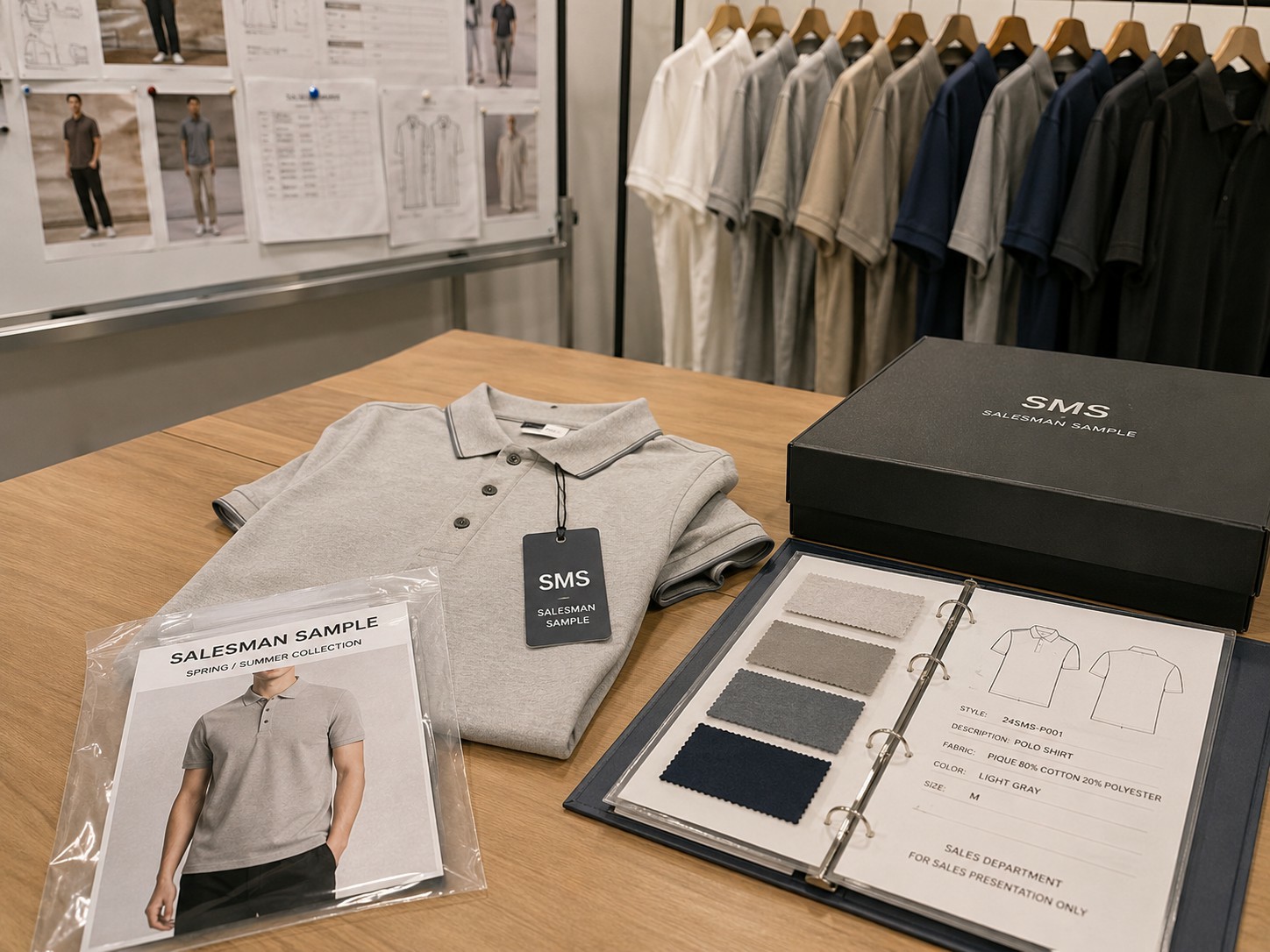
5. Salesman Sample (SMS)
Salesman samples are commercial samples used for buyer meetings, showroom presentations, line reviews or early sales activity. They are usually made when a brand needs physical garments before the production order is completed.
SMS garments are not required for every order. Their importance depends on the brand's selling calendar and whether sales teams, agents or retailers need samples to present the collection.
salesman-sample-sms-apparel
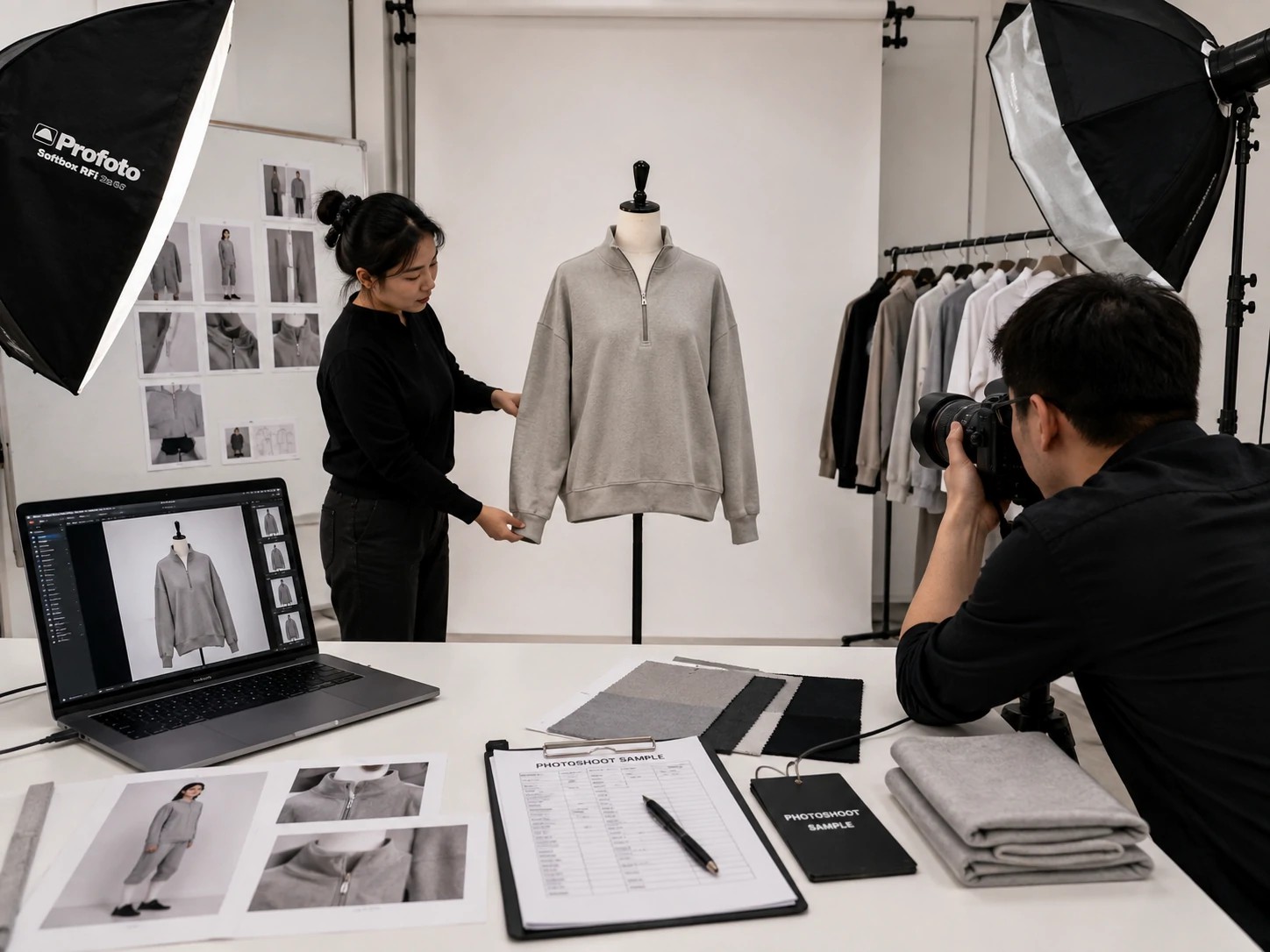
6. Photoshoot Sample
Photoshoot samples are prepared for e-commerce photography, campaign shoots, lookbooks, catalogues or social content. Visual appearance is especially important, but the garment should still represent the intended fit, fabric and color direction accurately.
Some brands use the same garments for SMS and photography. Others require separate photoshoot samples because campaign timing, color range, sample size or styling requirements are different.
photoshoot-sample-apparel-product-photography
Pre-Production Stage: PP, Gold Seal and GPT Samples
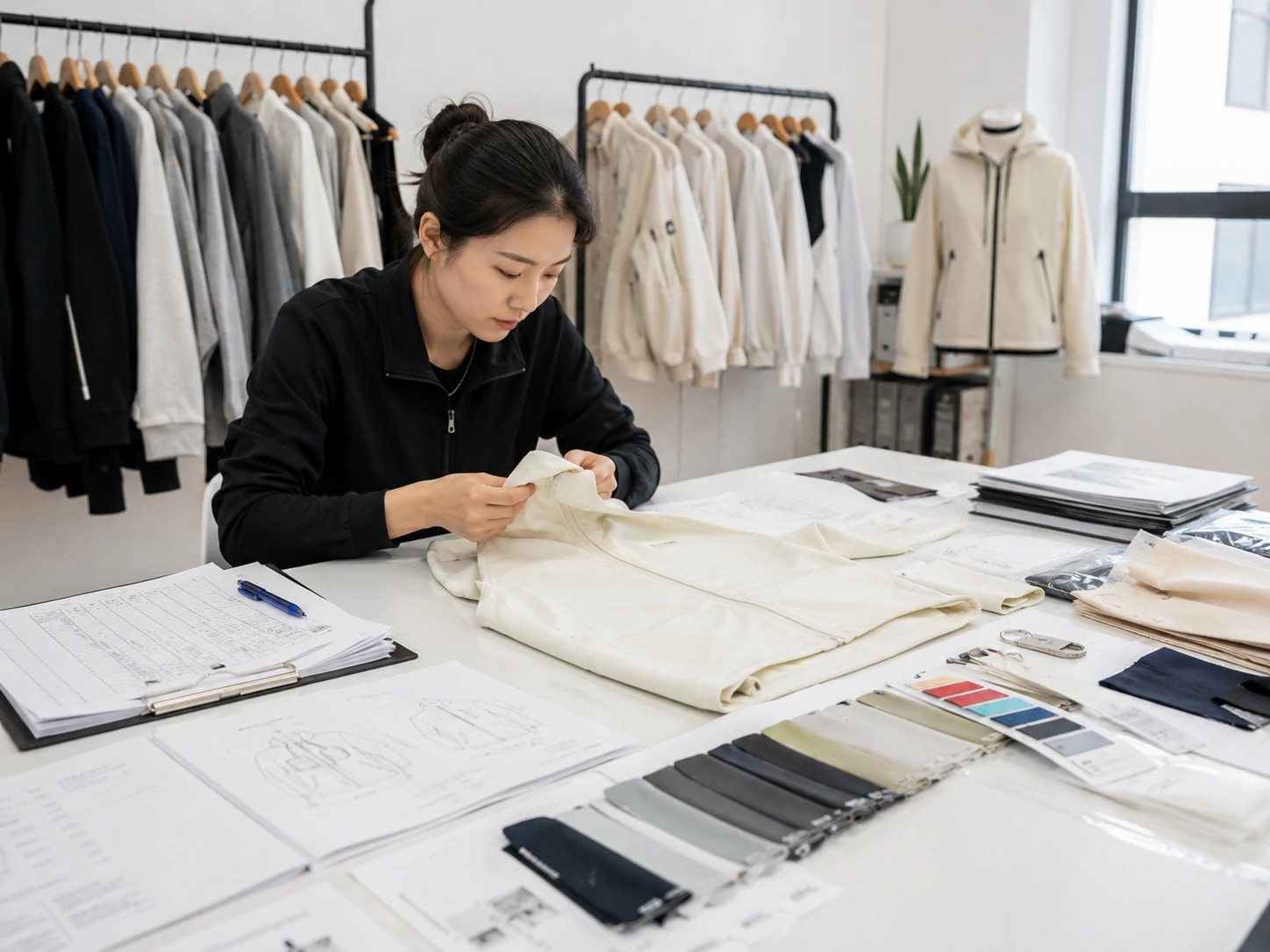
7. Pre-Production Sample (PP Sample)
The pre-production sample, commonly called the PP sample or PPS, is one of the most important approval stages. Its purpose is to establish whether the style is ready to be manufactured to the agreed standard.
Unlike an early development sample, the PP sample should normally represent the confirmed production direction as closely as possible. The review may cover:
- Final fabric quality, composition, GSM, stretch and color
- Approved measurements and fit
- Final zippers, buttons, elastic, drawcords and other trims
- Labels, hangtags and branding placement
- Print, embroidery, wash or garment dye standards
- Construction method, stitching and workmanship
- Any special finishing or packaging details linked to the garment
Approval should be documented clearly. If the PP sample contains a temporary trim or non-final fabric, that exception needs to be recorded so it is not accidentally treated as the production standard.
pre-production-sample-pp-apparel
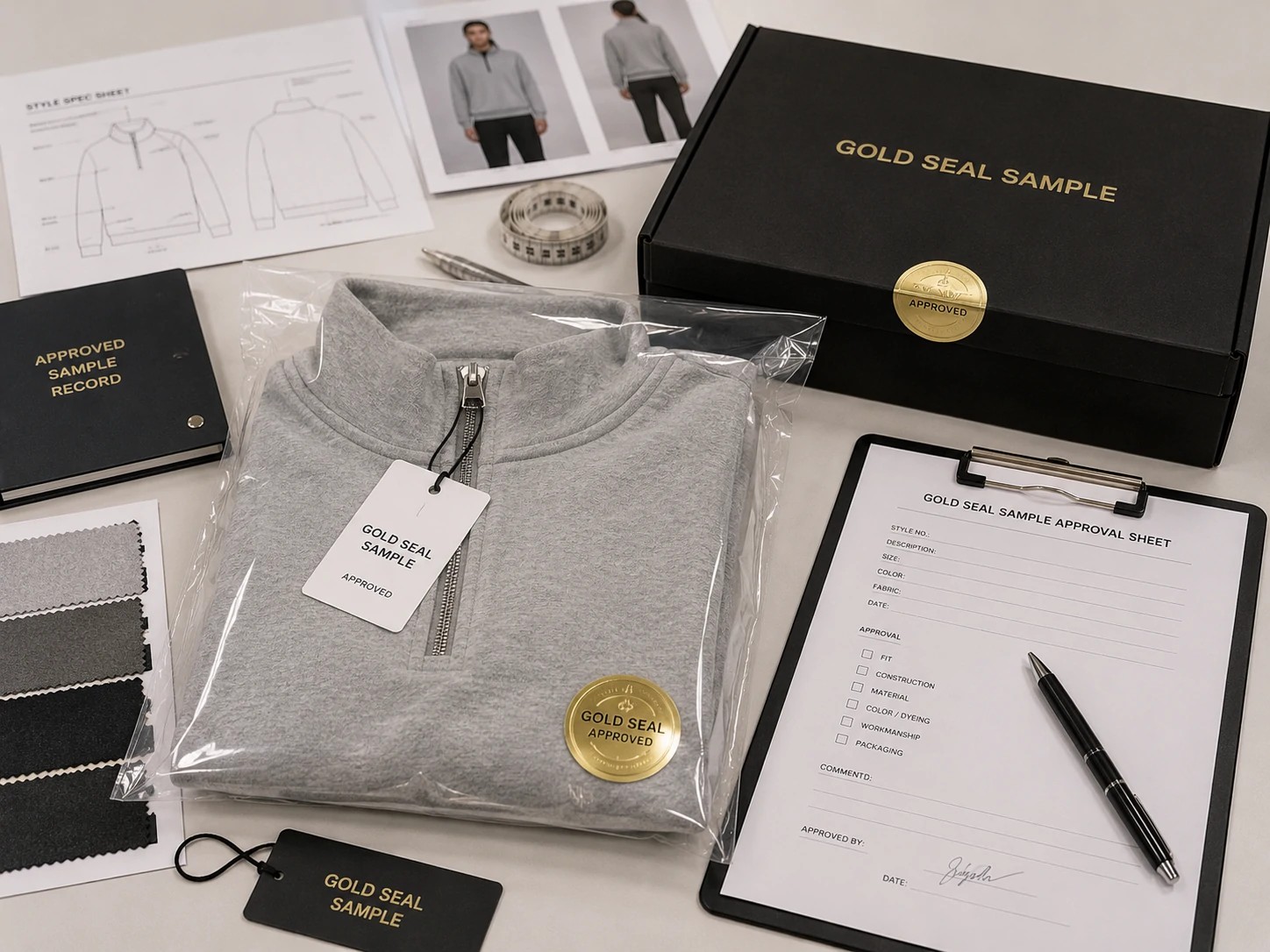
8. Sealed Sample / Gold Seal Sample
A sealed or gold seal sample is a formally approved reference that represents the accepted garment standard. Different brands may call it an approved sample, master sample, sealed sample or gold seal sample.
It is important not to assume that this always means another completely separate sample round after PP approval. In some programs, the approved PP sample itself is signed, tagged or sealed and becomes the master reference used by production and quality teams.
sealed-gold-seal-sample-apparel-approval
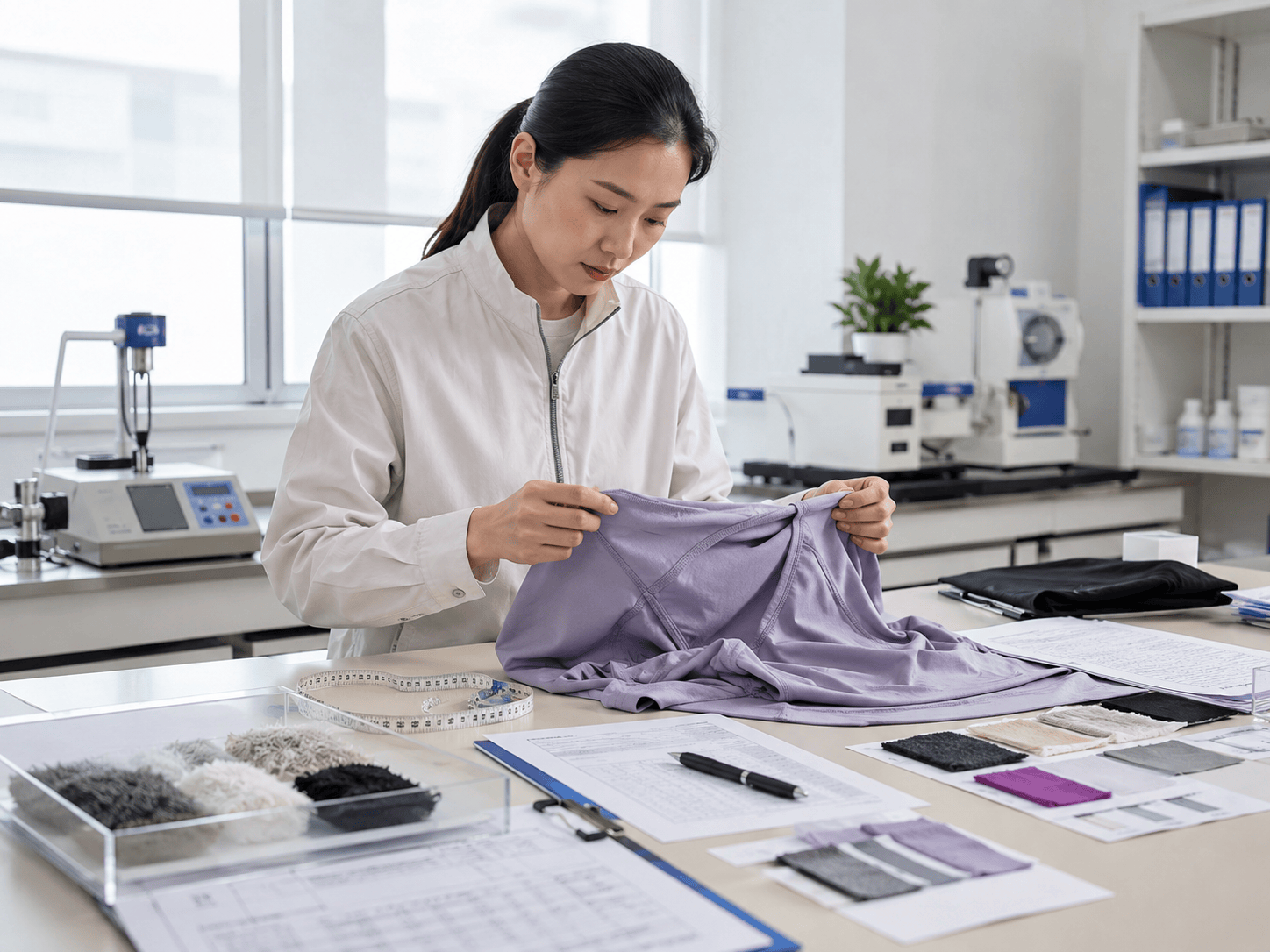
9. Garment Performance Test Sample (GPT Sample)
A GPT sample is used for performance or laboratory testing rather than primarily for visual approval. The testing requirements depend on the garment category, fabric and buyer protocol.
Typical checks may include shrinkage, dimensional stability, colorfastness, seam strength, pilling, stretch recovery or appearance after washing. Activewear, outerwear and technical products may require additional performance tests relevant to their end use.
The exact GPT timing can vary. Some tests need to be completed before final PP approval, while other programs conduct testing alongside the pre-production approval stage.
garment-performance-test-sample-gpt
Production & Shipment Stage: TOP, Shipment and Factory Reference Samples
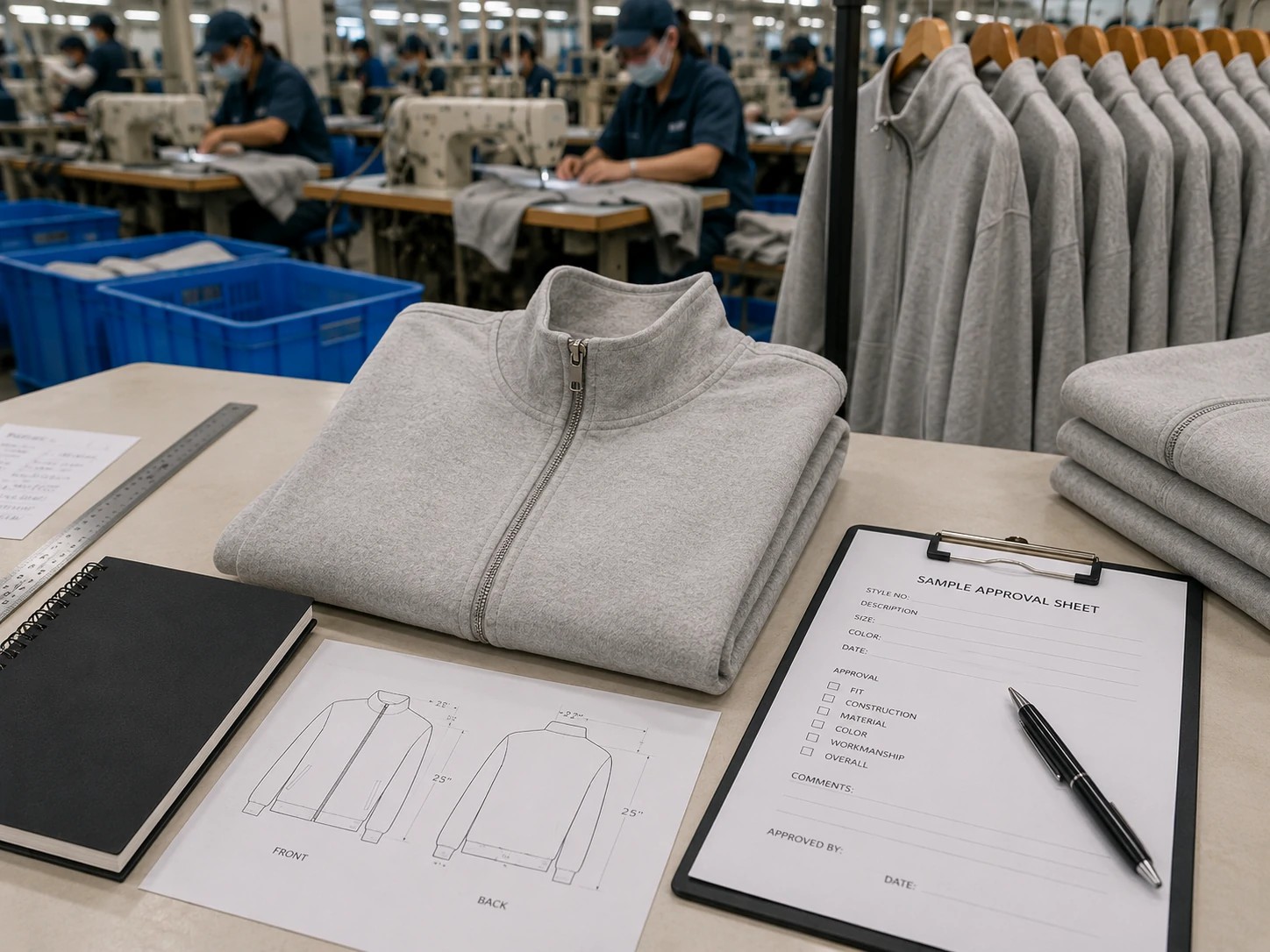
10. Top of Production Sample (TOP Sample)
A TOP sample is taken from actual running production. This distinction matters: the purpose is not to make another perfect sample in the sample room, but to confirm that real production is matching the approved standard.
The production team and buyer may compare TOP garments against the approved PP or sealed sample for measurements, color, workmanship, labels, trims, print or embroidery placement and overall appearance.
The PP sample answers, “Is this the standard we want to produce?” The TOP sample answers, “Is the production line actually following that standard?”
top-of-production-sample-apparel-quality-check
11. Shipment Sample
A shipment sample is taken from completed production near the shipment stage. Depending on the buyer, it may be used as a final product reference, sent to the customer before or with the shipment, or retained for comparison with delivered goods.
Because it comes from finished production, the sample should reflect the final garment including labeling, finishing and any relevant packing details.

shipment-sample-apparel-final-quality-check
12. Factory Reference Sample
A factory reference sample is retained by the manufacturer for production, inspection, claim handling or future repeat orders. The reference should be clearly identified so teams know which approval version it represents.
This term can overlap with counter sample, master sample or sealed reference depending on the buyer's system. A well-managed factory therefore relies on clear sample status, approval date and documentation rather than the sample name alone.

factory-reference-samples
12 Garment Sample Types Compared
| Sample Type | Stage | Main Purpose | Typical Requirement |
|---|---|---|---|
| Proto Sample | Development | First physical interpretation of a new design | Common for new styles |
| Counter Sample | Development / Reference | Duplicate or retained approved reference | Buyer dependent |
| Fit Sample | Fit | Check silhouette, measurements and balance | Common for new styles |
| Size Set Sample | Sizing | Verify grading across multiple sizes | Depends on size range and buyer |
| Salesman Sample | Commercial | Showroom, sales meetings and buyer presentation | Optional |
| Photoshoot Sample | Commercial | Photography, campaign and e-commerce content | Optional |
| PP Sample | Pre-Production | Confirm intended production standard | Common / often critical |
| Sealed / Gold Seal Sample | Approval | Formal approved master reference | Buyer dependent |
| GPT Sample | Testing | Verify garment performance requirements | Product and buyer dependent |
| TOP Sample | Production | Check actual running production against approval | Buyer dependent |
| Shipment Sample | Shipment | Final finished production reference | Buyer dependent |
| Factory Reference Sample | Reference | Retain approved standard for factory use | Common internally, naming varies |
Which Samples Does Your Apparel Order Actually Need?
Not every order should automatically pass through all 12 sample types. The right sampling plan depends on how new the product is, how much technical risk exists and what the brand needs before launch.
Often requires proto and fit development, possibly a size set, followed by PP approval and appropriate production-stage checks.
May use the existing approved reference and focus on material confirmation, production consistency and shipment requirements rather than repeating early development stages.
May add SMS and photoshoot samples because commercial teams need garments before the production order is completed.
Testing requirements also change the sample plan. A basic casual top may need fewer performance tests than activewear, outerwear or a heavily washed garment where shrinkage, color change or functional performance must be verified.
Before sampling starts, brands should confirm three things with the manufacturer: which sample is being made, what that sample is supposed to approve, and whether the materials and trims are final or temporary. Clear sample status prevents a development garment from being mistaken for a production standard.
Buyer takeaway: Do not measure sampling efficiency by the lowest number of samples. A better target is the fewest sample rounds needed to reach a clear, documented and repeatable product standard.
How Sample Control Supports More Consistent Apparel Production
For manufacturers, sample control connects design development with production control. Approved garments need to be supported by updated measurements, fabric and trim confirmations, process standards and revision records so that different teams are working from the same information.
Ambition supports brands with tech pack review, fabric sourcing, sample development, fit adjustment, custom techniques and production preparation. Our custom apparel development approach is designed to make each approval stage clearer rather than adding unnecessary sample rounds.
FAQ About Garment Sample Types
Does every apparel order need all 12 garment samples?
No. The sample sequence depends on the buyer, style complexity, product category, testing requirements and whether the garment is a new development or repeat order. Some sample stages may be combined, renamed or skipped.
What is the difference between a proto sample and a fit sample?
A proto sample primarily checks the first interpretation of the design and construction. A fit sample focuses more specifically on measurements, balance, proportions and how the garment fits the intended body shape.
What is the difference between a PP sample and a TOP sample?
The PP sample establishes the intended standard before production. A TOP sample is selected from actual running production to check whether manufacturing is following that approved standard.
Are SMS and photoshoot samples the same?
They can be. Some brands use salesman samples for both sales presentations and photography. Other brands require separate photoshoot samples because of different timing, sample sizes, colors or campaign needs.
Is a gold seal sample always separate from the PP sample?
No. In some buyer systems, the approved PP sample is signed, sealed or tagged and becomes the gold seal or master sample. In other programs, a separate approved reference may be produced.
Are counter samples and factory reference samples the same?
They can overlap. Both terms may refer to a duplicate or retained garment used as a physical reference. The terminology varies, so the approval status and purpose should always be recorded clearly.
Plan the Right Sample Stages for Your Apparel Order
A clear sampling plan should match the product rather than follow a fixed number of rounds. When sample purpose, materials, fit comments and approval status are documented early, brands and manufacturers can move through development with fewer avoidable revisions.
Ambition works with apparel brands on sample development, material sourcing, fit review, private label details and production preparation across knit and woven categories.